3 weeks ago
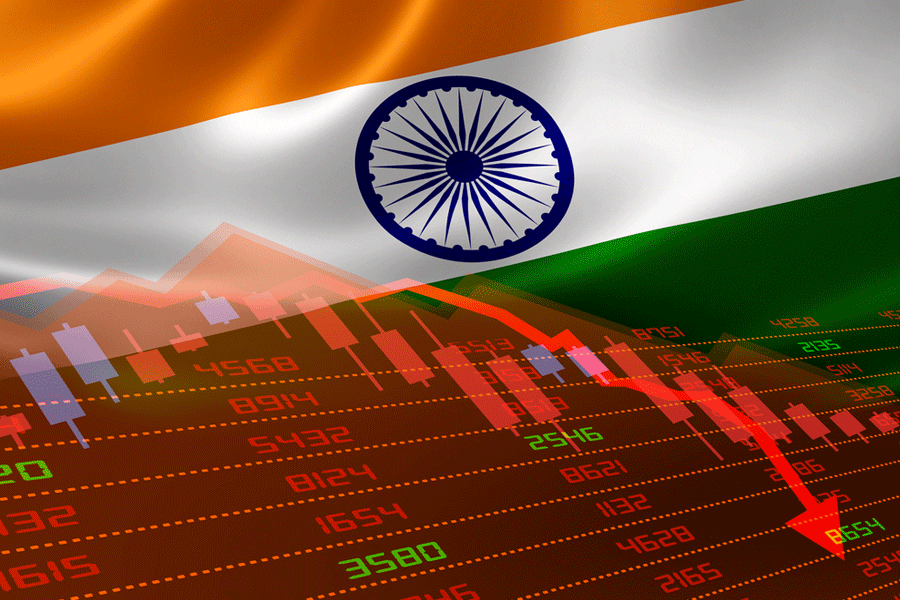
Sensex crashes 600 points, Nifty nears 24,250; investors lose ₹3 lakh crore

A stock market is a place where people buy and sell small pieces of big companies.
On Wednesday, the Indian stock market had a very bad day, and the prices of shares fell a lot.
Because of this, people who own shares lost about ₹3 lakh crore in just one day.
This happened because investors got scared and started selling their shares quickly.
One big reason is trouble in the Middle East, where countries are arguing about an important waterway used by oil ships.
That made oil prices go up, and higher oil prices worry people around the world.
Another reason is something called the yen carry trade, where investors borrowed cheap money from Japan to buy shares, and had to sell shares when Japan raised its interest rates.
When many people sell shares at the same time, prices drop.
The markets may feel calmer again if oil prices fall and the news gets better.

The Sensex plunged over 650 points (0.80%) to an intraday low of 77,498 on Wednesday, 12 August, while the Nifty 50 fell over 200 points (0.84%) to 24,266.
Investors lost about ₹3 lakh crore in a day as the market capitalisation of BSE-listed firms dropped to ₹490 lakh crore from nearly ₹493 lakh crore.
The selloff was driven by Middle East tensions, elevated crude oil prices, the unwinding of the yen carry trade after the Bank of Japan rate hike, and domestic fiscal concerns.
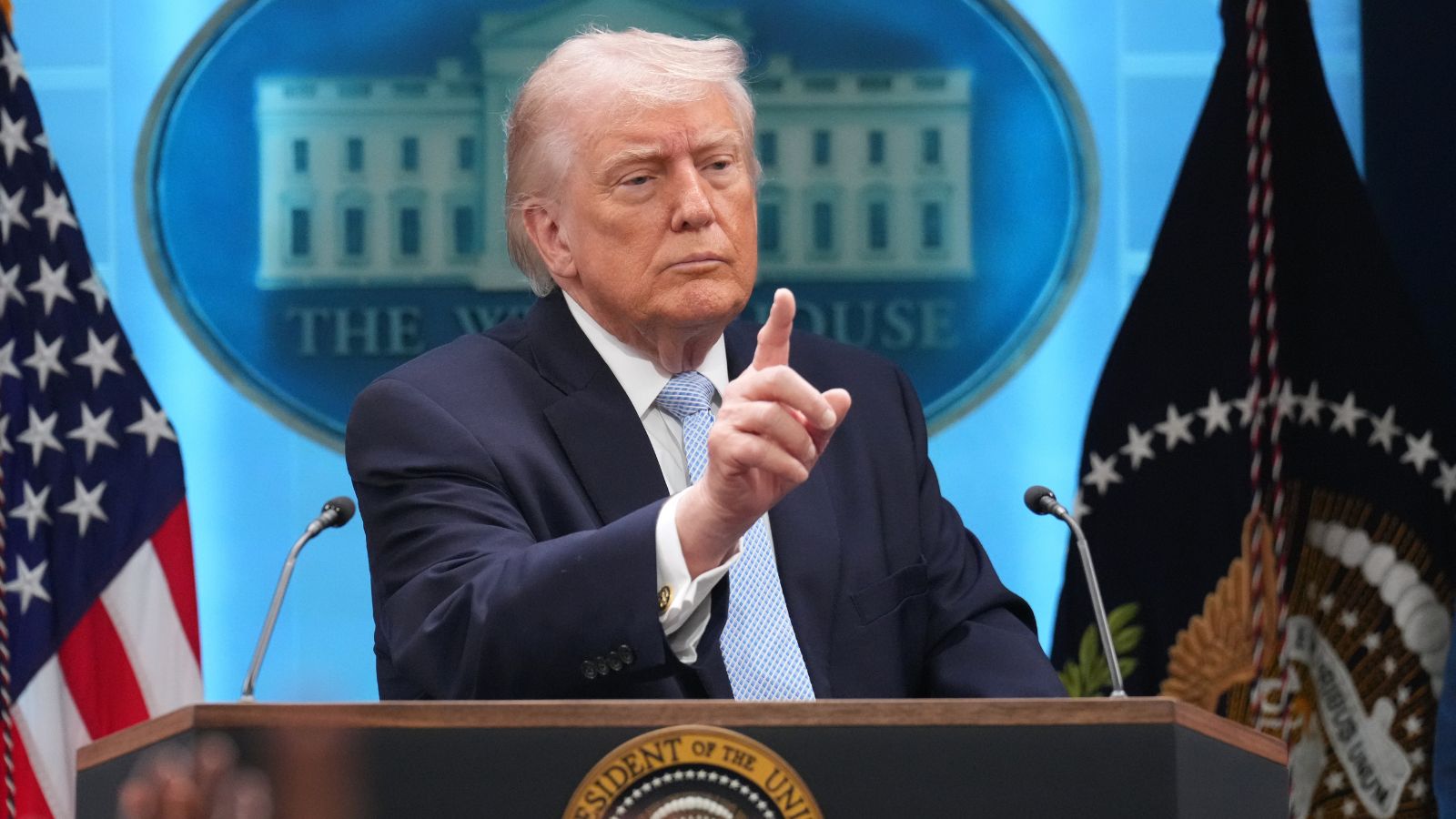
Iran said the Strait of Hormuz will remain closed until the US agrees to its conditions, while US President Donald Trump claimed the US is 'in total control' of the waterway.
A Houthi attack on a cargo ship in the Bab el-Mandab Strait killed six people, and the US Central Command said it fired two missiles at a container ship in the Gulf of Oman.
Brent crude traded near $90 per barrel on Wednesday but later eased to about $88.75 ahead of the US inflation data release.
- Who
- Indian stock market investors, along with global players such as the US, Iran, and the Bank of Japan.
- What
- Indian benchmark indices, the Sensex and Nifty 50, fell nearly 1% each, erasing about ₹3 lakh crore of investor wealth amid a broad market selloff.
- Where
- Indian stock markets, including BSE-listed and NSE-listed companies, against a backdrop of Middle East geopolitical tensions.
- When
- Wednesday, 12 August (intraday trade), with the Bank of Japan raising interest rates on 7 August as a related trigger.
- Why
- Middle East uncertainty over the Strait of Hormuz and US-Iran tensions, elevated oil prices, and the unwinding of the yen carry trade after the Bank of Japan's rate hike.
Market-Move Drivers
Geopolitical Stakes
Main cause of the selloff
Market-Move Drivers
The yen carry trade unwinding after the Bank of Japan's rate hike is the biggest drag, amplified by the Fed's expected pause in September and India's expensive mid/smallcap valuations.
Geopolitical Stakes
Persistent Middle East uncertainty, US-Iran skirmishes and elevated Brent crude prices are the principal factors constraining any market rally.
Control of the Strait of Hormuz
Market-Move Drivers
Iran says the Strait of Hormuz will remain closed until the US agrees to its conditions, hardening its stance on the crucial oil waterway.
Geopolitical Stakes
The US, through President Donald Trump, says it is 'in total control' of the waterway and continues military action, including firing missiles at a container ship in the Gulf of Oman.
Key facts
- Sensex
- Fell more than 650 points (0.80%) to intraday low of 77,498
- Nifty 50
- Declined more than 200 points (0.84%) to intraday low of 24,266
- Investor wealth lost
- About ₹3 lakh crore in a single day
- BSE market capitalisation
- Dropped from nearly ₹493 lakh crore to ₹490 lakh crore
- Brent crude
- Rose 1% to near $90 per barrel, later eased to about $88.75
- Midcap & smallcap indices
- Nifty Midcap 100 and Smallcap 100 declined up to 0.50%
- Bank of Japan
- Raised interest rates to 0.25% on 7 August, triggering yen carry trade unwinding
- Rupee and foreign flows
- Rupee eased to around 83.78 per dollar; FIIs turned net sellers after 18 consecutive buying sessions
Quotes
VK Vijayakumar
Chief Investment Strategist, Geojit Investments
“"The principal factor restraining a rally is the strengthening Brent crude, which has again moved above the $89 level."”
 livemint.com
Sources
Related news

Sensex falls 388 points, Nifty settles below 24,500

Sensex Sinks 493 Points, Nifty Ends Below 24,200

Indian Stocks Slide as Oil, Conflict and Yields Rise
Sensex, Nifty Plunge as West Asia Tensions Lift Oil Prices

Indian Markets Fall as Hormuz Tensions Weigh Sentiment

Sensex falls over 300 points as crude oil prices surge

Chevron Plans $7 Billion Venezuela Expansion Amid U.S. Oil Push

Saudi Arabia Says Iranian Tanker Attack Killed Two Sailors
U.S.-Iran Exchange Escalates Across Middle East, Markets Slide
Trump Aides Seek Quiet Iran War Before Midterm Elections