4 hrs ago
UAE Economy Holds Steady as Regional War Disrupts Growth

The United Arab Emirates is trying to keep daily life and business running during a long regional conflict.
Schools have reopened, and many shops and restaurants are still busy.
Some families left when the war began, but many have returned.
Private schools are still adding students and new campuses.
However, shipping problems have made fuel and imported goods more expensive.
Fewer travelers have also hurt the airport and hotels.
The government and businesses are offering discounts and other incentives to attract residents and visitors.
Financial companies and investors are still coming to Dubai and Abu Dhabi.
Leaders hope tourism and the wider economy will improve later in 2026.

The UAE’s offices, schools, malls and restaurants are largely returning to normal despite the continuing regional conflict.
Supply-chain disruption has raised fuel and import costs, while airport traffic, hotel occupancy and property sales have weakened.
Private-school enrollment continues to grow, with seven new Dubai schools adding 17,000 places this year.
Dubai and Abu Dhabi financial centers are expanding, supported by sovereign wealth, private capital and incentives for businesses.
Dubai’s airport and hotels expect recovery later in 2026, aided by returning travelers, conferences and major year-end events.
- Who
- Residents, businesses, investors and government authorities in the United Arab Emirates are affected.
- What
- The UAE is maintaining economic activity and daily routines while coping with conflict-related security, trade and tourism disruptions.
- Where
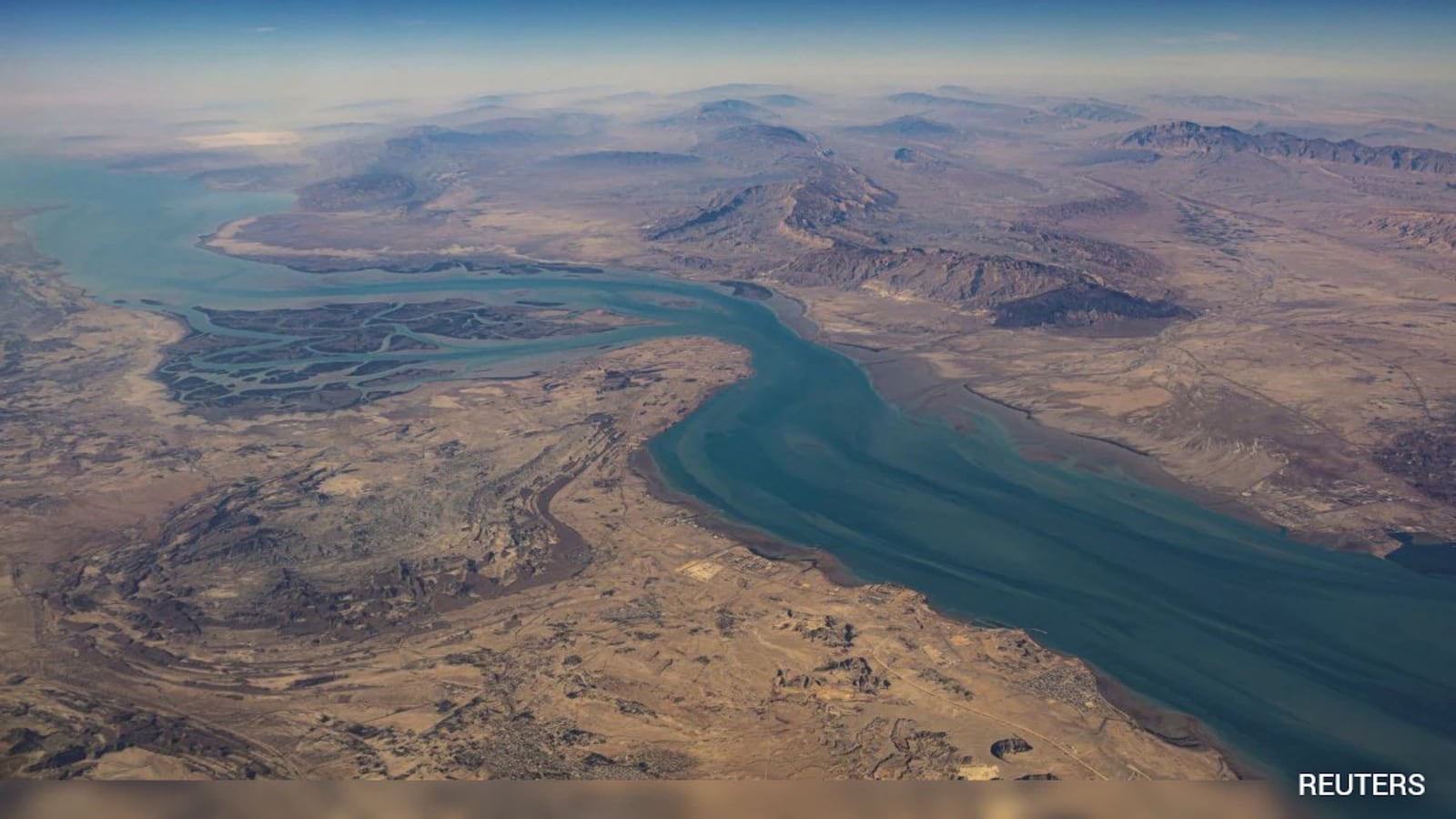
- Across the United Arab Emirates, especially Dubai, Abu Dhabi, the Strait of Hormuz and Jebel Ali.
- When
- The conflict has lasted nearly seven months, with an attempted drone interception reported on August 31; recovery is expected later in 2026.
- Why
- Continuing attacks and disruption around the Strait of Hormuz are affecting shipping, energy costs, supply chains, travel and investor confidence.
Resilience and Recovery
Conflict-Driven Strain
Daily life and consumer demand
Resilience and Recovery
Schools, malls, restaurants and offices are operating, while private-school enrollment and Dubai’s population continue to rise.
Conflict-Driven Strain
Consumers are delaying major purchases, non-food retailers face product shortages, and some rents and property activity have softened.
Investment and business activity
Resilience and Recovery
Sovereign wealth, low taxes, infrastructure and incentives continue to attract financial firms, hedge funds, technology workers and other businesses.
Conflict-Driven Strain
International candidates are conducting more relocation checks, recruiters are adjusting compensation, and companies face a challenging geopolitical environment.
Tourism and transport
Resilience and Recovery
Hotels and tourism operators expect improvement as airlines return, postponed conferences resume and major year-end events draw visitors.
Conflict-Driven Strain
Airport traffic has dropped sharply, hotel occupancy and room rates have fallen, and most global airlines remain suspended.
Key facts
- Population growth
- Dubai’s population reached 4.58 million at the end of 2025, and the city added about 200,000 residents this year.
- Private education
- Seven new private schools opened in Dubai this year, creating 17,000 additional places.
- Airport traffic
- Dubai International Airport traffic fell by almost one-third in the first six months of the year.
- Hotel occupancy
- Dubai hotel occupancy fell to about 64% in August from 76% a year earlier, while room rates declined about 10%.
- Fuel prices
- UAE gasoline prices rose about 60% since the war began, though they remain below US and UK levels.
- Financial hubs
- The Dubai International Financial Centre surpassed 10,000 active companies, while the Abu Dhabi Global Market issued almost 2,000 licenses and added 4,700 workers in the first half of the year.
- Economic outlook
- The central bank expects UAE GDP growth of 1.7% this year, while economists surveyed by Bloomberg expect about 7% growth in 2027.
Quotes
Alan Williamson
CEO of Dubai-listed Taaleem Holdings PSC
“The various indicators point to the UAE’s population as remaining. A favorable business environment, including low taxes, world class infrastructure and access to labor will continue to stand out in the medium term.”
 livemint.com
“Employers would rather offer a one-off guarantee or relocation protection than bake a temporary geopolitical risk into permanent compensation.”
livemint.com
Sources
Related news

Dubai Airport Traffic Falls 31.3% Amid Iran War Disruptions
Iran War Disrupts Gulf Entertainment, Sports and Tourism Economy

Indian Investors Rethink UAE Exposure Without Leaving Dubai
Why Dubai Is Emerging as a Study Abroad Destination
US-Iran War Deepens Tehran Economic Pain as Hormuz Diplomacy Continues
Global Economy Weathers Six Months of US-Israel War

Jaishankar, Saudi Foreign Minister Discuss West Asia Conflict, Ties

Trump Says He Does Not Care About Iran-Gulf Meeting
Iran-Oman Routes Keep Hormuz Closed, Threatening Oil and Trade

Iranian Commercial Vessel Hit Near Strait of Hormuz, One Killed