2 hrs ago
After BRICS 2026, India Weighs RIC’s Promise and Risks
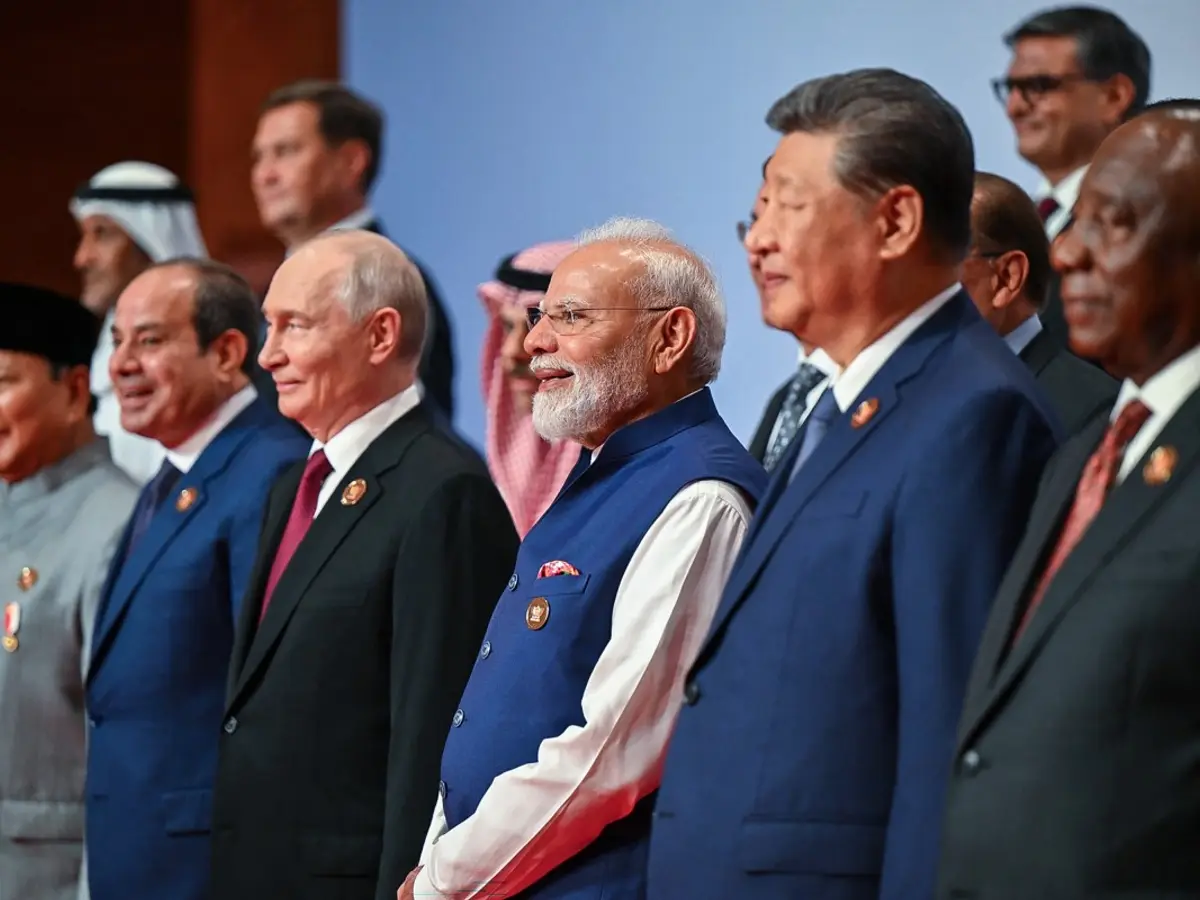
The BRICS countries met and wrote a long declaration about how they want countries to work together.
The article says the group tries to cooperate without becoming a military or political team against anyone.
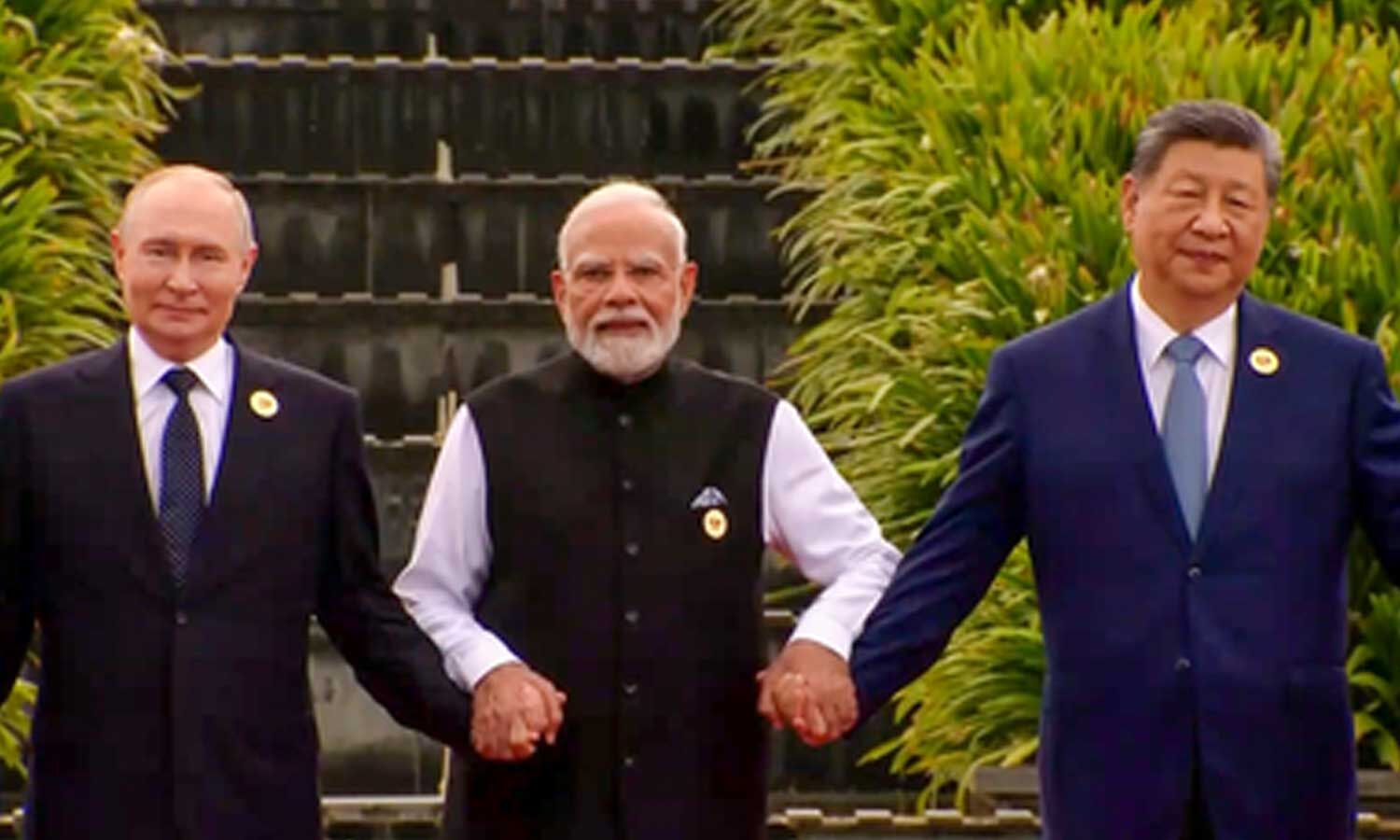
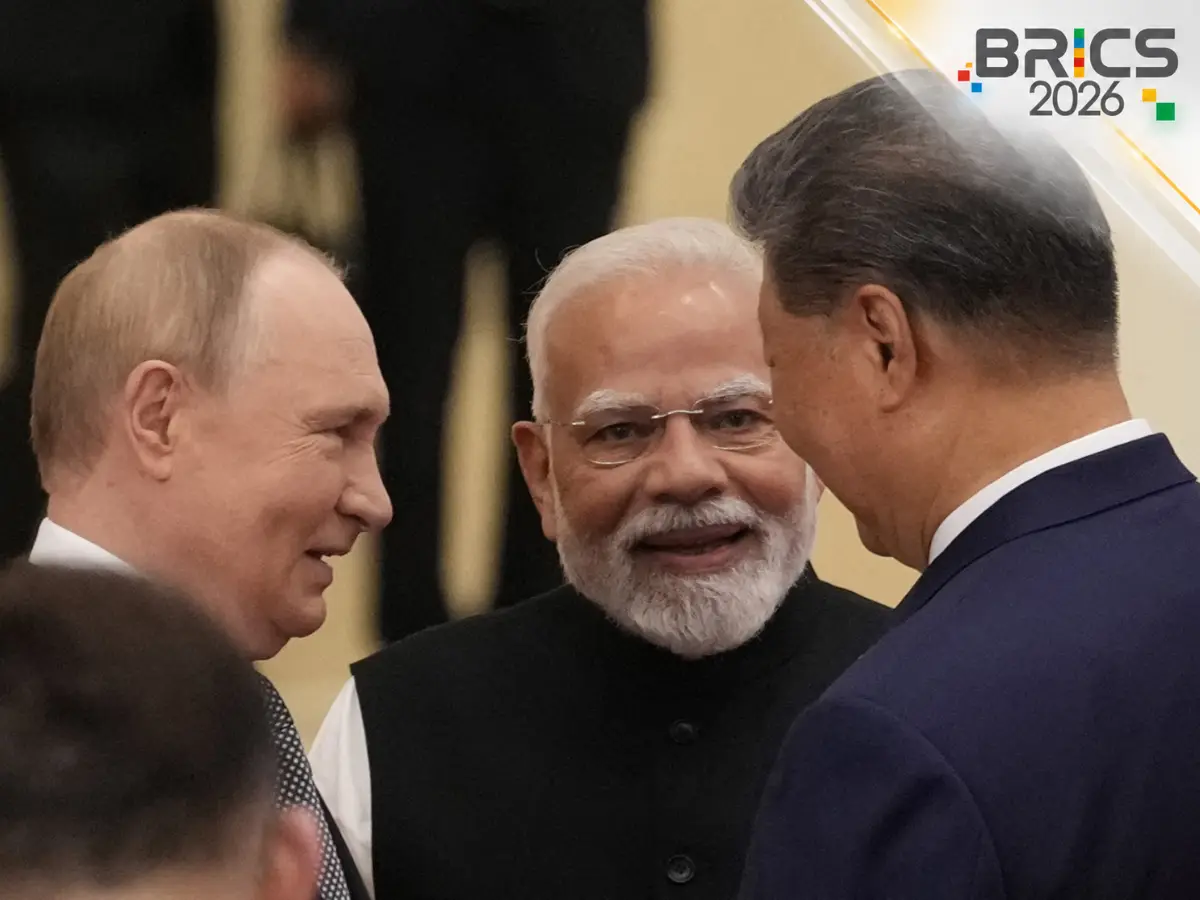
It also discusses an older idea: Russia, India and China working together.
These countries could cooperate on energy, technology, trade and other issues.
But they do not always agree, and India and China still have an unresolved border dispute.
Countries in the group also want to keep trading with the United States and Europe.
The article advises India to work with Russia and China on specific matters, not to form a tight alliance.
It says India should also keep good channels open with Western countries.

The 18th BRICS Summit ended with a 140-page declaration that the article describes as balancing messages to different capitals.
The article says Russia-India-China cooperation is back in strategic discussion as global power becomes more fragmented.
Summit signals included proposed cooperation on AI, trade, supply chains and a possible BRICS-owned insurance mechanism.
The article highlights limits to closer ties, including India-China border tensions, members’ reliance on Western markets and slow consensus.
It recommends India keep RIC cooperation issue-based while maintaining Western ties and prioritising border normalisation.
- Who
- The BRICS members, with particular attention to Russia, India and China.
- What
- The article assesses the prospects and limits of Russia-India-China cooperation after the 18th BRICS Summit.
- Where
- At Bharat Mandapam; the article discusses wider BRICS and international relations.
- When
- After the 18th BRICS Summit in 2026.
- Why
- The article argues that global power is more fragmented, creating reasons for cooperation but also risks and constraints for India.
Case for cooperation
Reasons for caution
RIC’s strategic value
Case for cooperation
Cooperation among Russia, India and China could help address shared concerns such as energy security, connectivity and AI governance in a fragmented global order.
Reasons for caution
The article says rivalry and unresolved differences—especially the India-China boundary and competing visions of Asia—limit what the three can achieve together.
BRICS solidarity and trade
Case for cooperation
The summit declaration and proposals on supply chains and trade show that members can coordinate on shared interests.
Reasons for caution
The article notes that trade with the US and EU exceeds intra-BRICS trade, and argues that members are unlikely to give up that access for solidarity.
India’s approach
Case for cooperation
Issue-based engagement could let India pursue cooperation on energy, AI, connectivity and Ukraine.
Reasons for caution
The article argues that India should avoid a deeper economic embrace before border normalisation and should keep Western ties open.
Key facts
- Summit
- 18th BRICS Summit
- Declaration
- 140 pages
- RIC
- Russia-India-China
- Trade within BRICS
- About USD 1.17 trillion, according to the article
- BRICS trade with the US and EU
- More than USD 2 trillion, according to the article
- Proposed insurance mechanism
- A BRICS-owned mechanism floated by Putin
- Article's recommendation
- Keep RIC issue-based and maintain India's Western channel
Sources
Related news
BRICS New Delhi Summit Revives a Russia-India-China Axis
Russia and China Seek RIC Revival as India Hesitates
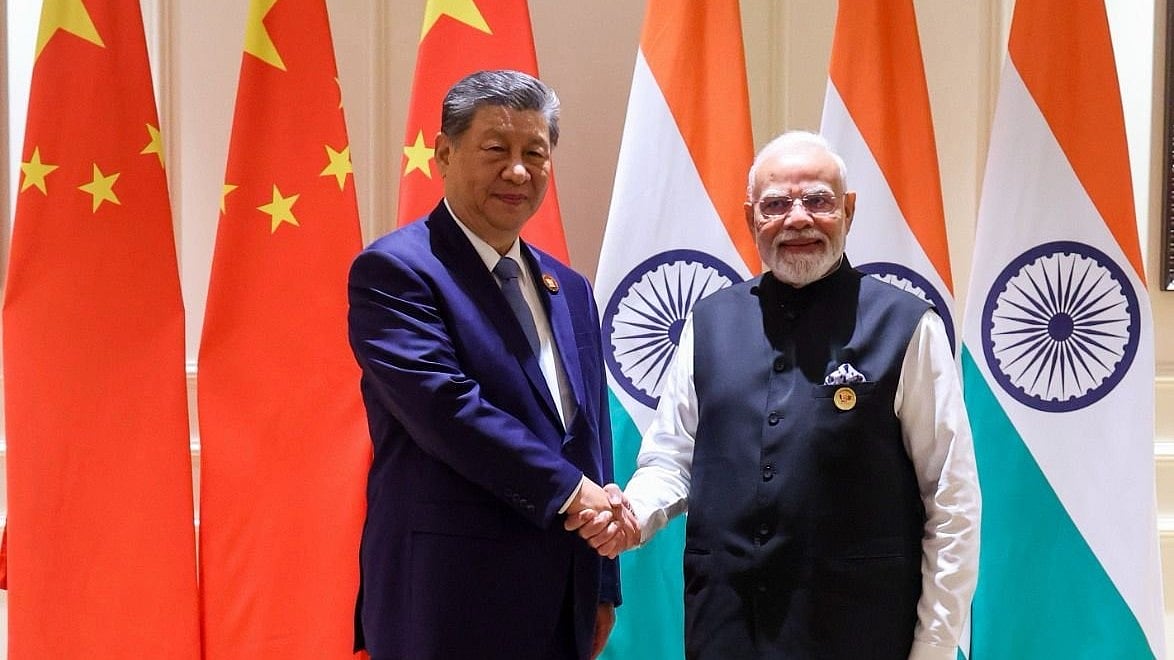
Delhi BRICS Summit Tests India’s Balancing Act Among Rival Powers
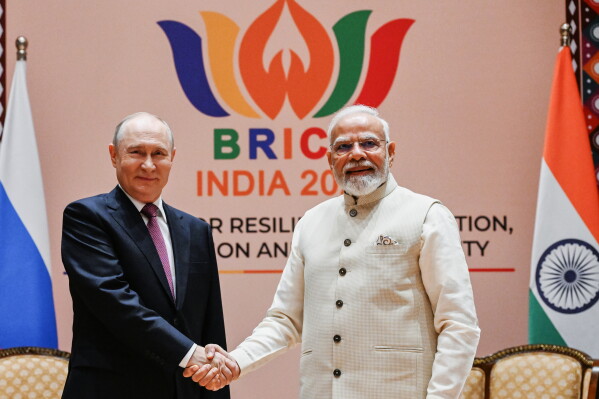
BRICS Summit Must Boost Internal Trade to Realize Potential
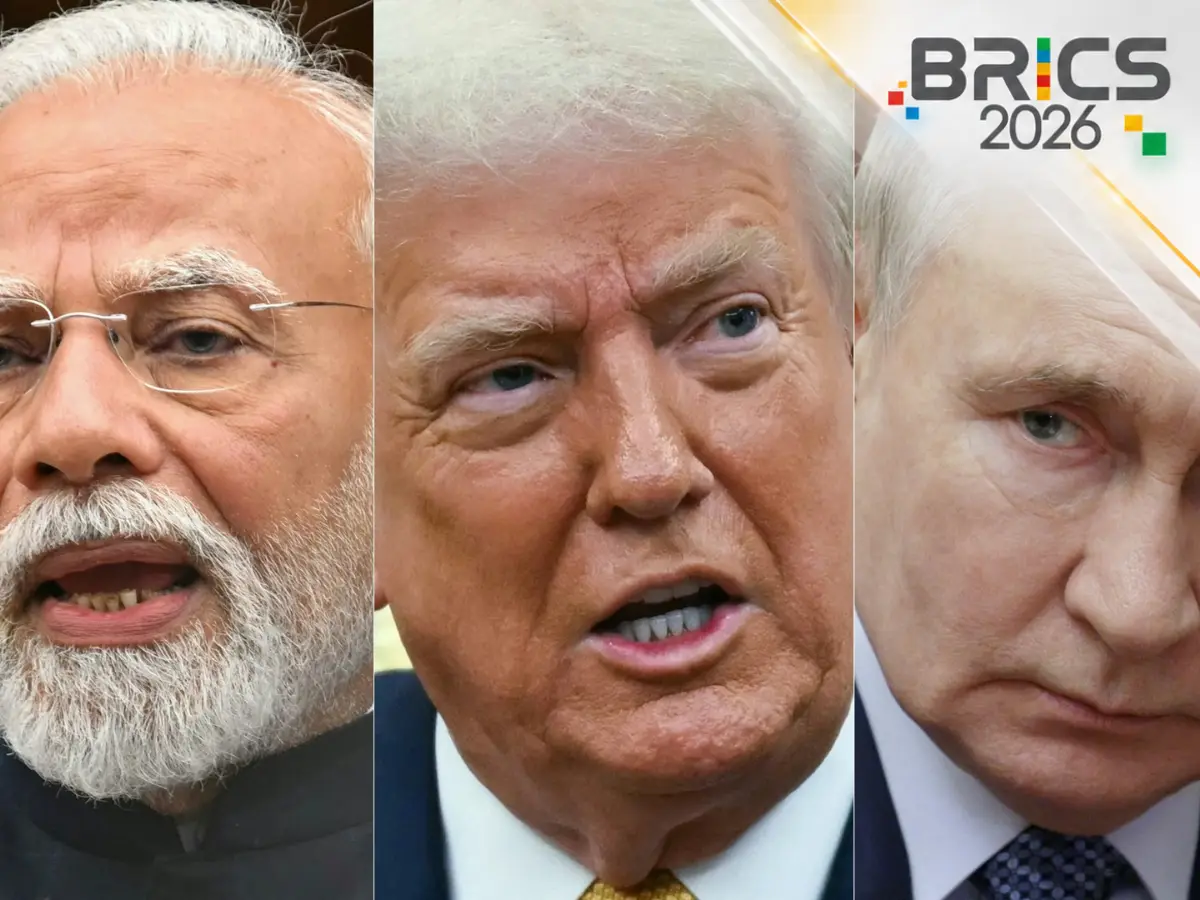
BRICS Summit Tests India’s Vision Amid U.S. Pressure
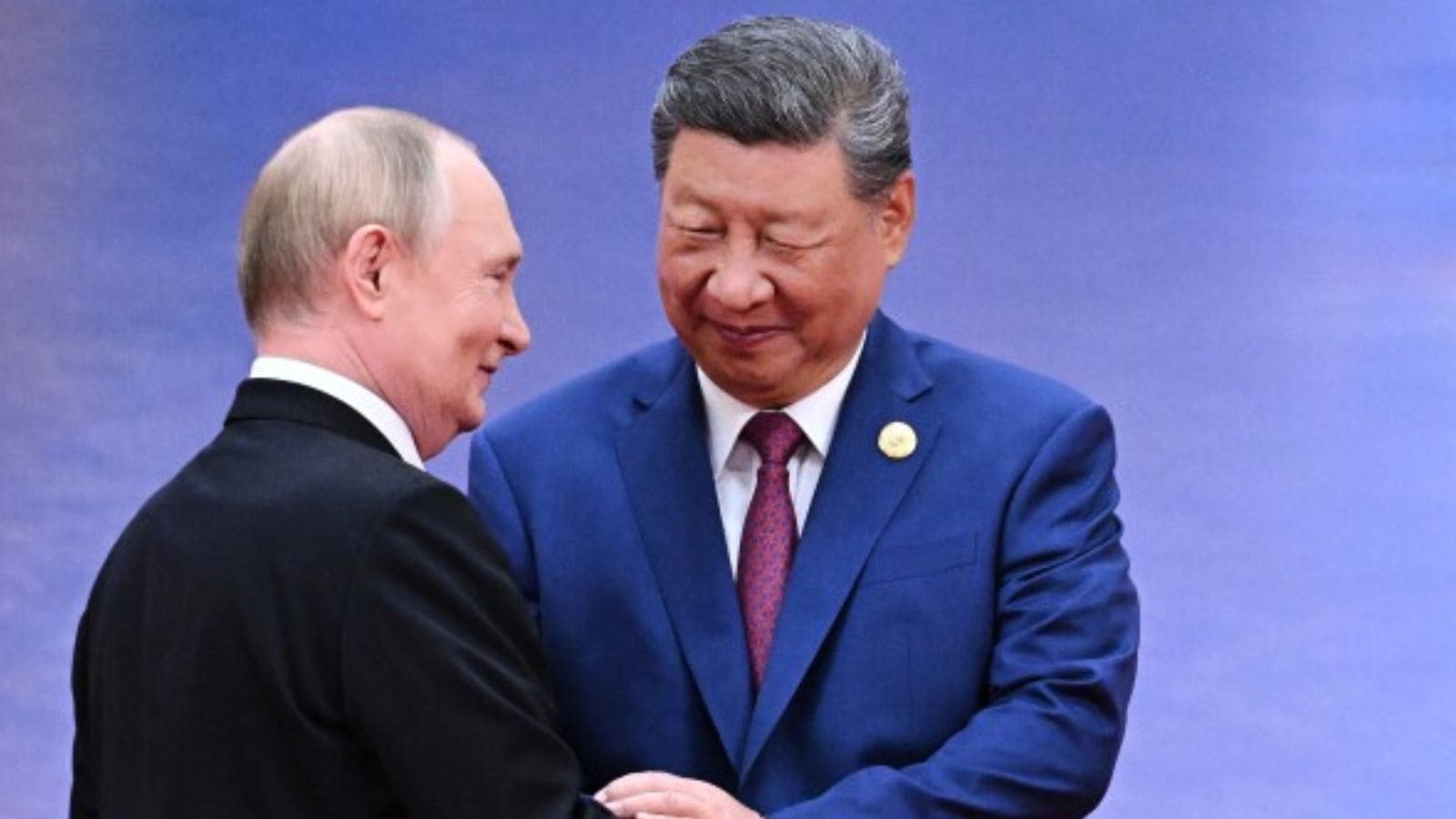
Potential Trump-Xi-Putin Summit Raises Questions About BRICS and India

Gyanesh Kumar Row Reunites India’s Opposition, but Tests Remain

Bhutan’s Tobgay Praises Modi’s 25 Years in Public Office
India Mobile Congress 2026 Spotlights 6G, AI and Connectivity
Mohan Yadav Joins Ujjain Torch March Marking Modi’s 25 Years
BJP Rajya Sabha Picks Suggest Effort to Repair Social Ties