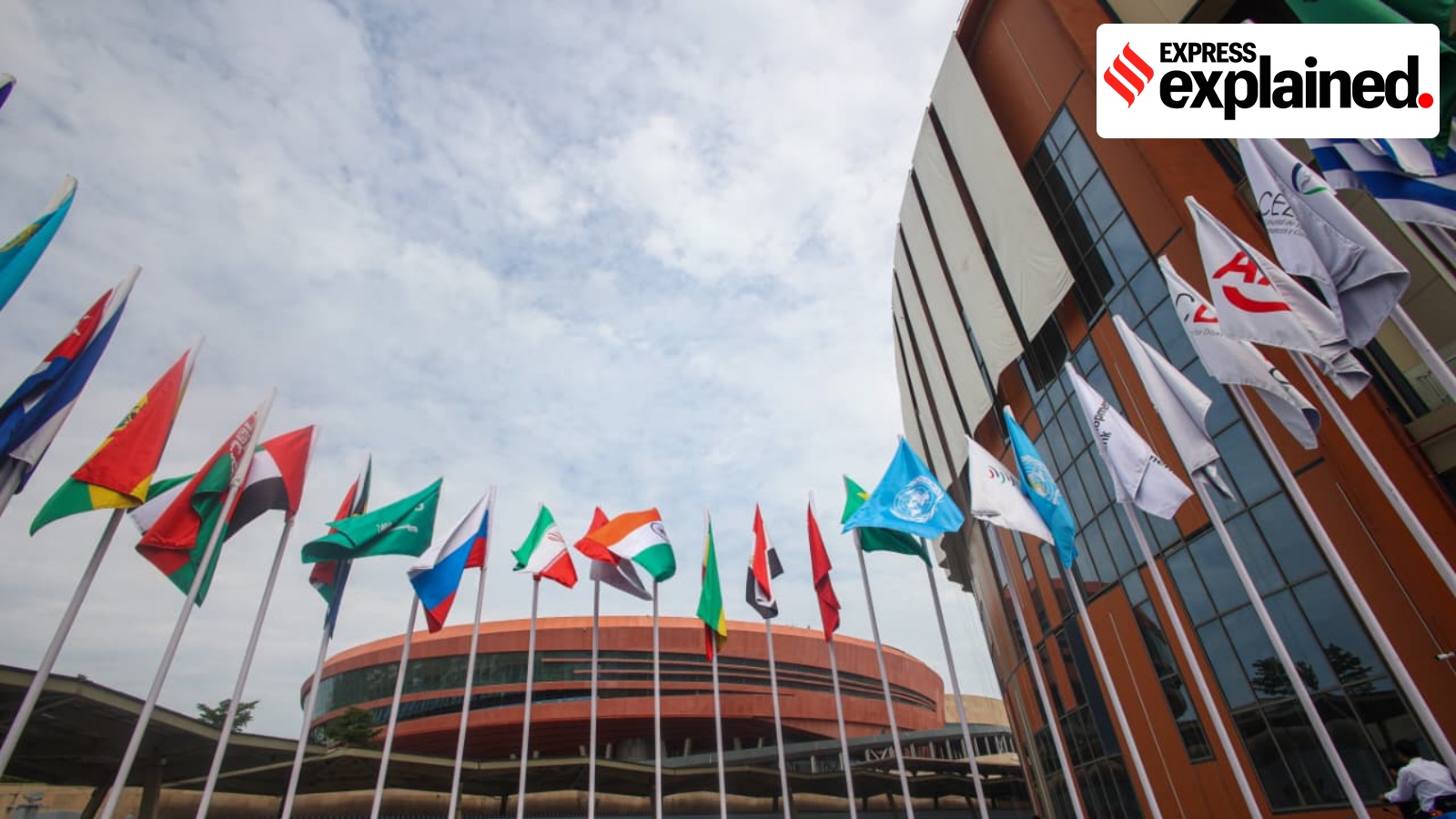
44 mins ago
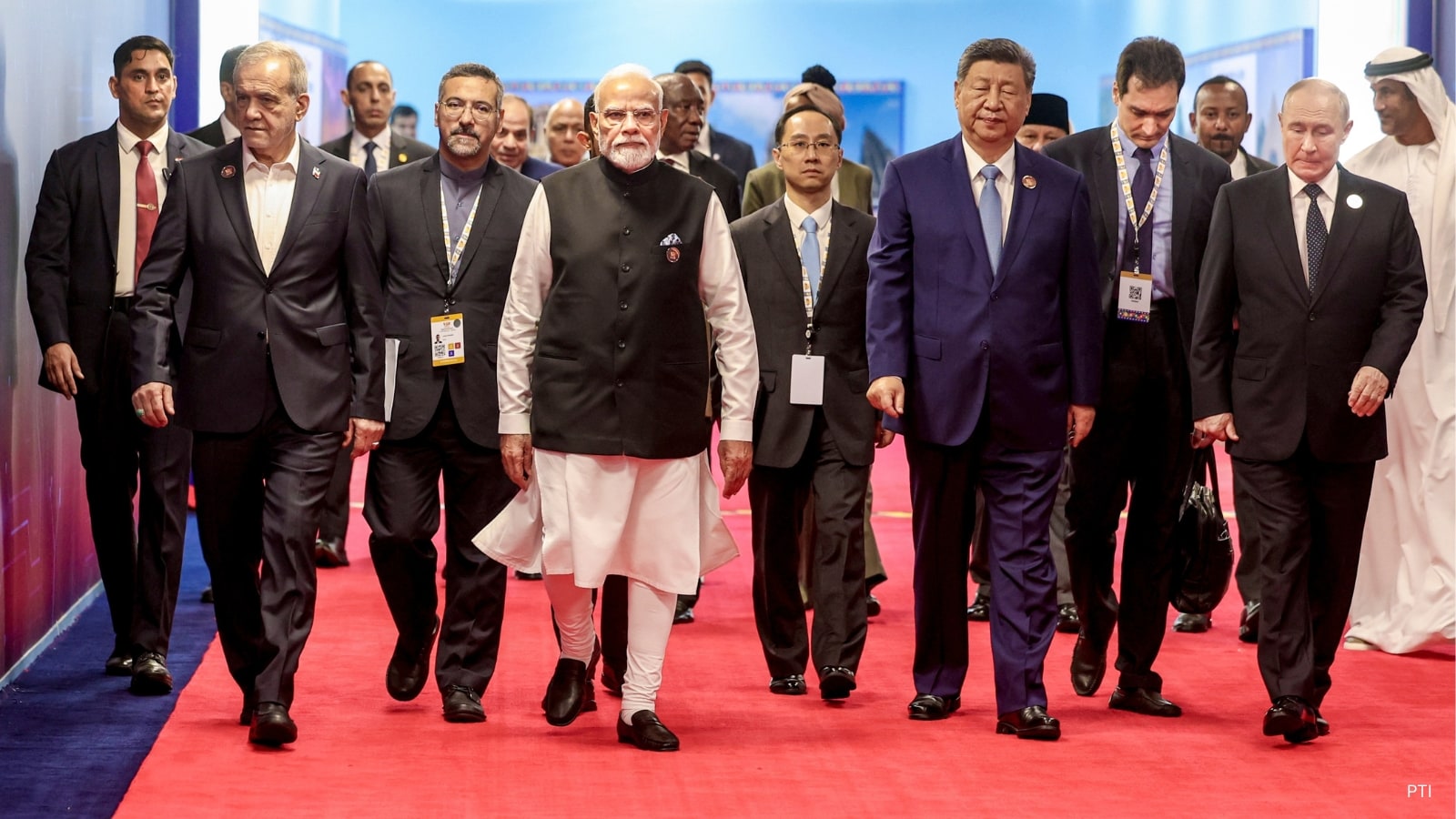
BRICS New Delhi Summit Revives a Russia-India-China Axis
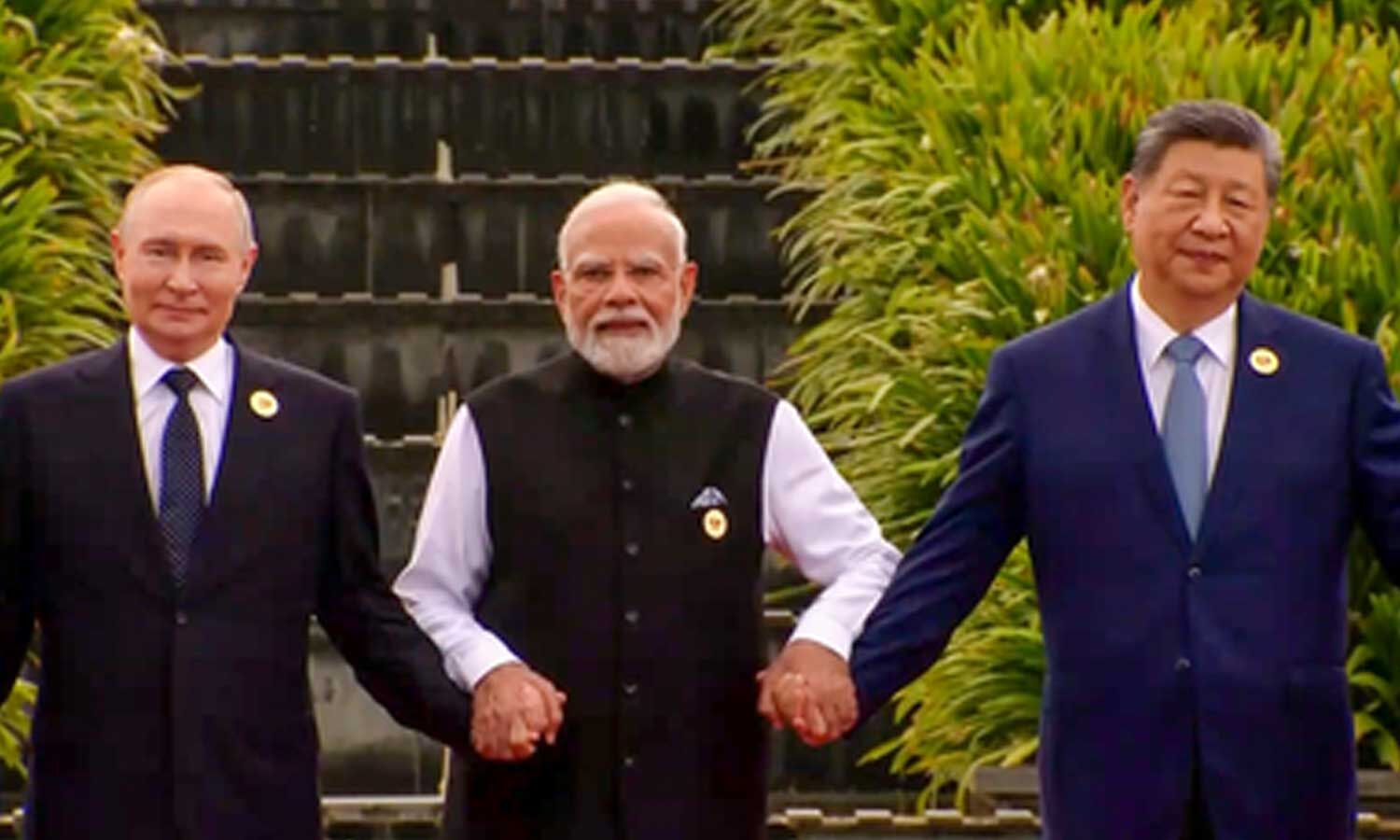
The BRICS meeting in New Delhi has made people pay attention again to cooperation among Russia, India, and China.
This group is sometimes called RIC.
India and China still have border disagreements and do not trade equally.
Russia sells India important arms and energy but has become more dependent on China because of Western sanctions.
BRICS gives these countries a larger group where they can work together without solving every disagreement.
Other countries, including Brazil, South Africa, Iran, Egypt, Ethiopia, and the United Arab Emirates, are also part of the expanded group.
Supporters say BRICS can create new markets, financing, and cooperation in technology and energy.
Critics worry that the group could increase regional security pressures and may not last if India and China remain rivals.

The 2026 BRICS New Delhi Summit has renewed attention on a possible Russia-India-China, or RIC, platform.
Border disputes and trade imbalances continue to strain India-China relations despite growing bilateral trade exceeding $150 billion.
Western sanctions have encouraged Russia and China to seek greater economic cooperation with India and alternative financial frameworks.
BRICS expands the original RIC dialogue by including countries such as Brazil, South Africa, Iran, Egypt, Ethiopia, and the United Arab Emirates.
The bloc offers opportunities for trade, financing, technology, and energy cooperation while also creating strategic and security concerns in South Asia.
- Who
- India, China, Russia, and the wider BRICS membership are central to the development.
- What
- The 2026 BRICS New Delhi Summit has revived discussion of the RIC axis within an expanded multilateral framework.
- Where
- New Delhi, with implications for South Asia and the wider global order.
- When
- In 2026, with developments highlighted by the New Delhi Declaration issued on Saturday.
- Why
- Western sanctions and pressure are encouraging alternative economic cooperation, while BRICS provides a framework for managing India-China tensions.
Potential Benefits
Strategic Risks
Economic cooperation
Potential Benefits
BRICS can open access to new markets, infrastructure financing, and collective initiatives in technology and energy.
Strategic Risks
Persistent trade imbalances, especially between India and China, could limit the benefits of closer economic ties.
Regional influence
Potential Benefits
India's participation can amplify its voice in global governance and support economic integration and development financing in South Asia.
Strategic Risks
The bloc may reinforce narratives critical of Western-led institutions and influence the region's security environment.
RIC durability
Potential Benefits
BRICS gives India, China, and Russia a broader structure that can buffer bilateral tensions and facilitate cooperation on trade, climate change, and financial reform.
Strategic Risks
Border disputes, China's ties with Pakistan, Russia's growing dependence on China, and India-China strategic rivalry could undermine the axis.
Key facts
- Summit
- 2026 BRICS New Delhi Summit
- Core grouping
- Russia-India-China, known as RIC
- India-China trade
- More than $150 billion in recent years
- BRICS membership expansion
- The article identifies Brazil, South Africa, Iran, Egypt, Ethiopia, and the United Arab Emirates as participating countries.
- Population share
- BRICS represents more than 40 percent of the world's population, according to the article.
- India-Russia ties
- Russia remains a crucial supplier of arms and energy to India.
- Key test
- The axis's durability depends on whether India and China can manage their rivalry and whether Russia can retain enough independence to balance the triangle.
Sources
Related news
Russia and China Seek RIC Revival as India Hesitates

BRICS Gives India Strategic Room to Maneuver
BRICS Summit Must Boost Internal Trade to Realize Potential
India Uses BRICS Presidency to Deepen, Preserve, Stabilise Ties
BRICS Summit Tests India’s Vision Amid U.S. Pressure

BRICS Gains Influence in Emerging Multipolar World Order

Modi and Xi Review Ties at Delhi BRICS Summit

China Overwhelms Bahrain, Iran Edges Chinese Taipei in Basketball

US-Iran Tensions Increase Gold Volatility Ahead Of Fed Decision