

2 hrs ago
Journalists urged to fact-check reports during Nellore training programme
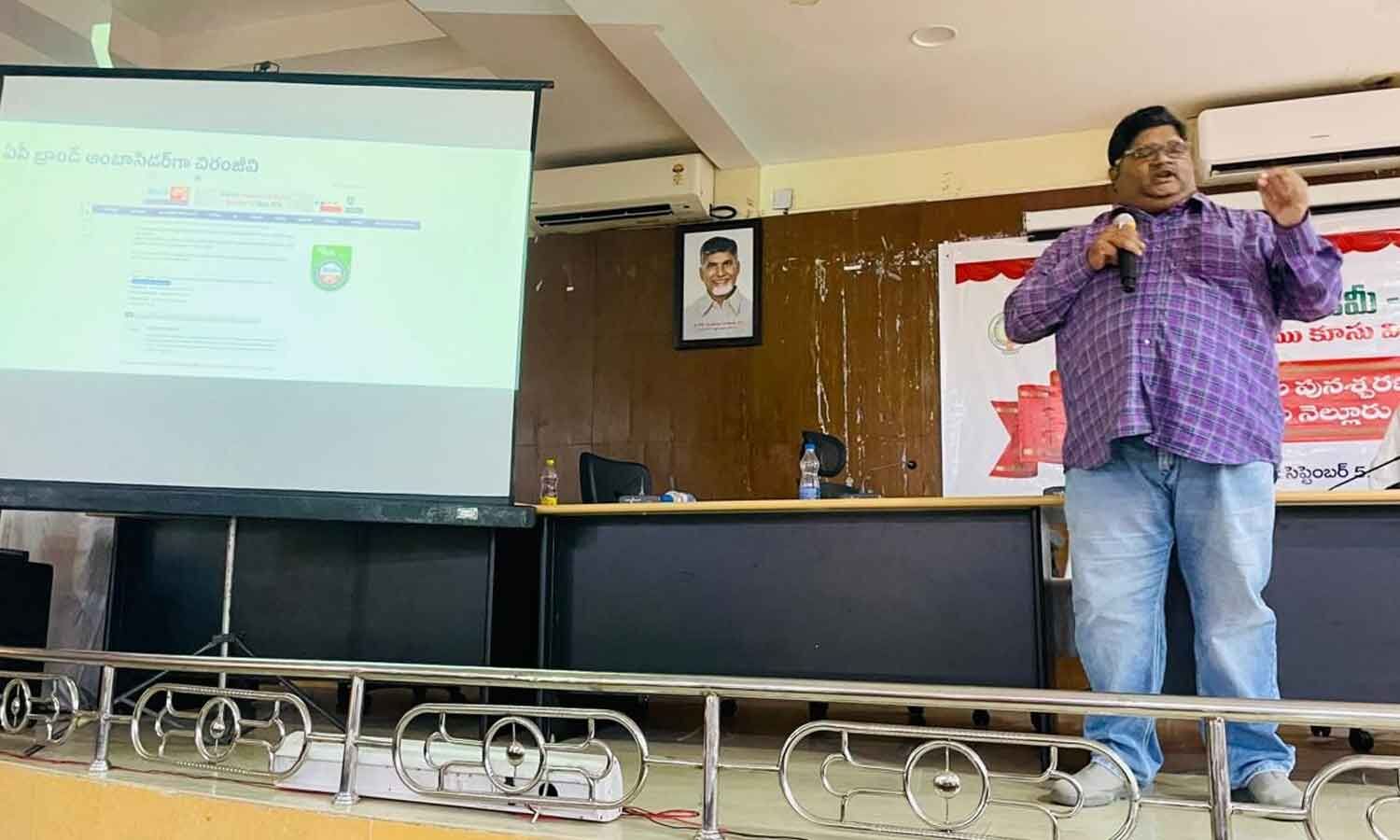
Journalists in Nellore attended a training programme about reporting news accurately.
They were told to check facts before publishing a story.
Incorrect reports can frighten people and sometimes create problems.
Reporters were encouraged to use online tools to check pictures and information.
They were also asked to visit places where incidents happened.
News desks and field reporters should work closely together.
Crime reporters should compare complaints with official police records.
People should be called accused until a court decides whether they are guilty.

Senior journalist Naresh Nandam urged reporters to verify information and news details before filing reports.
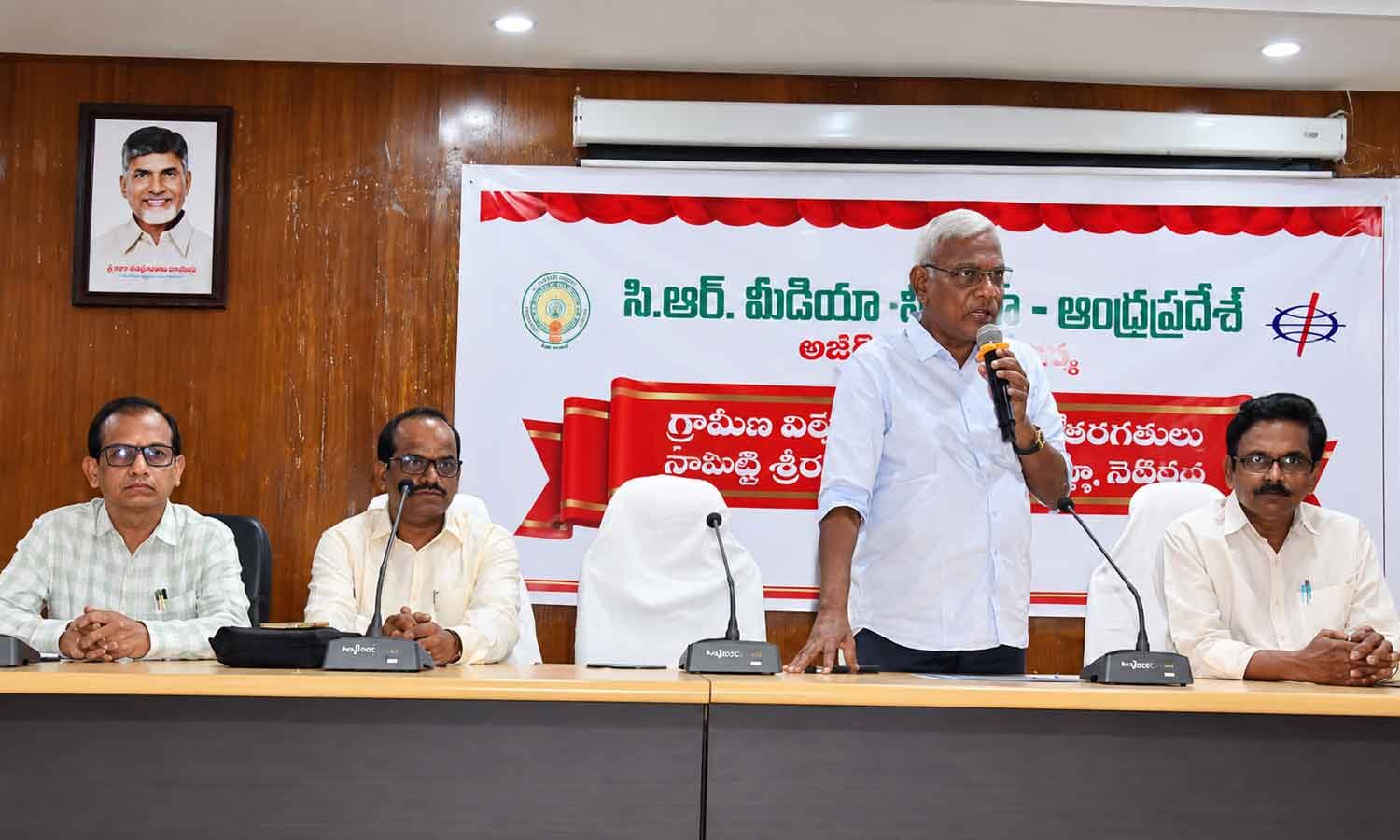
The advice was given during a two-day refresher programme for rural journalists in Nellore.
Speakers warned that unverified reports could cause public panic and possible law-and-order problems.
Journalists were advised to use digital fact-checking tools, reverse-image searches, field visits and multiple sources.
Crime reporters were told to check police FIRs and call people accused in cases “accused” until a court verdict.
- Who
- Senior journalists Naresh Nandam, G Ramakrishna and S Ramesh addressed rural journalists and media representatives.
- What
- A two-day refresher training programme focused on fact-checking, accurate reporting, newsroom coordination and crime-reporting standards.
- Where
- The Zilla Parishad meeting hall in Nellore.
- When
- The programme opened on Saturday; the articles do not specify the calendar date.
- Why
- To improve the accuracy and credibility of news reports and reduce the risk of public panic or law-and-order problems.
Key facts
- Programme
- Two-day refresher training programme
- Participants
- Rural journalists, bureau members and media representatives from across the district
- Venue
- Zilla Parishad meeting hall, Nellore
- Fact-checking advice
- Use digital verification tools and Google reverse-image search
- Reporting practice
- Visit incident sites and collect comprehensive details
- Crime reporting
- Cross-check complaints with official police FIRs and consult multiple reliable sources
- Legal wording
- Refer to people as “accused” until a court formally pronounces a verdict
Sources
Related news
Public Interest Urged as Primary Criterion for News Selection

Kerala CM Satheesan Alleges News Reporting Unethical to the Core
Kerala BJP Chief Slams Media Reports on Core Committee Meet

Andhra Pradesh Principal Urges Telugu Media To Verify Facts

Journalism Fundamentals Seen as Key to Restoring Public Trust

Readers Urge Caution, Accountability and Support for Farmers
12 Death Certificates Issued After Tribal Families’ Months-Long Wait
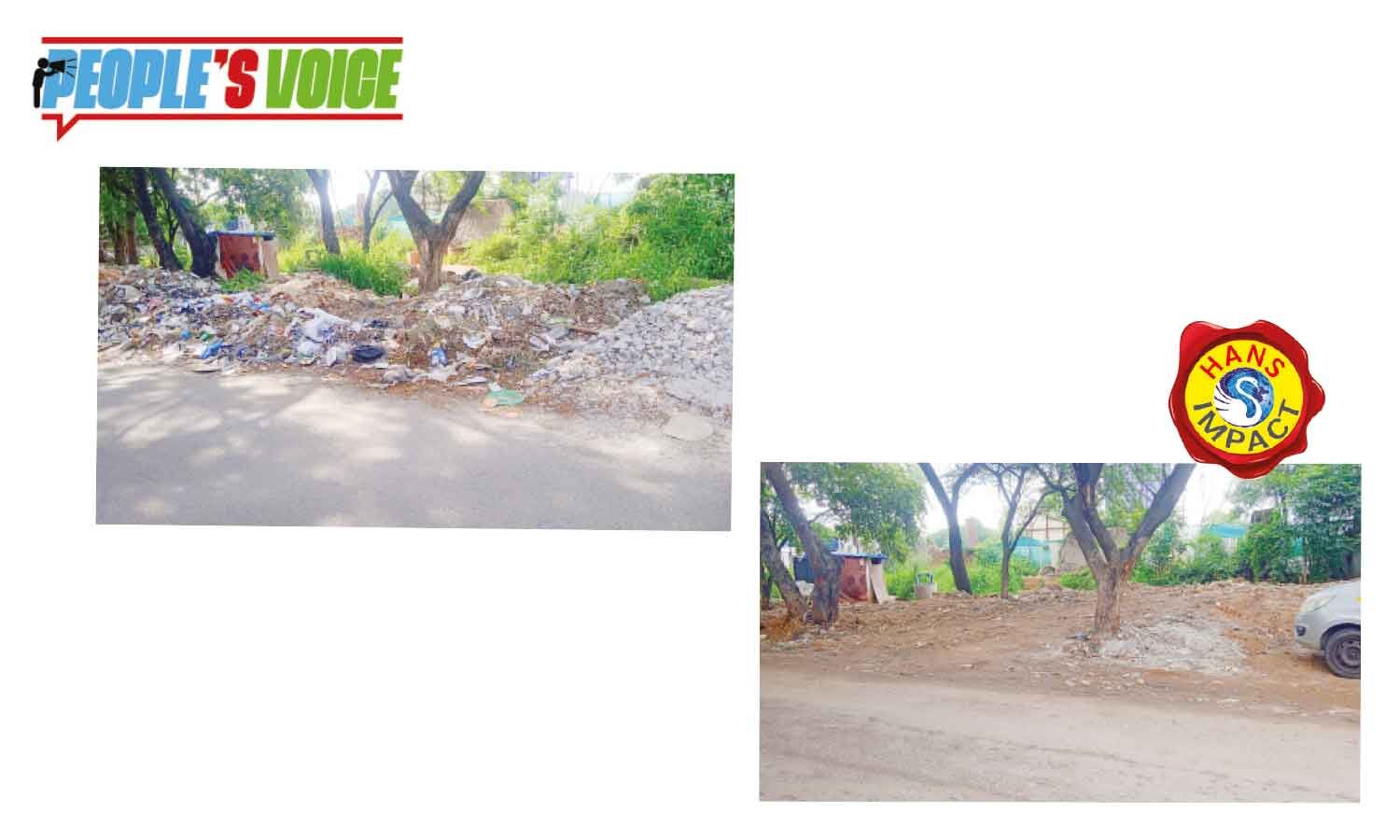
Authorities Clear Garbage Near Kendriya Vidyalaya School

Jeekuru Parameshwar Elected Siddipet Mudiraj Journalists’ Association Convenor

Questions Mount Over RTI Activist’s Complaints and Alleged Threats
