1 hr ago
Kishau Dam Pact Advances Yamuna Basin Water Security
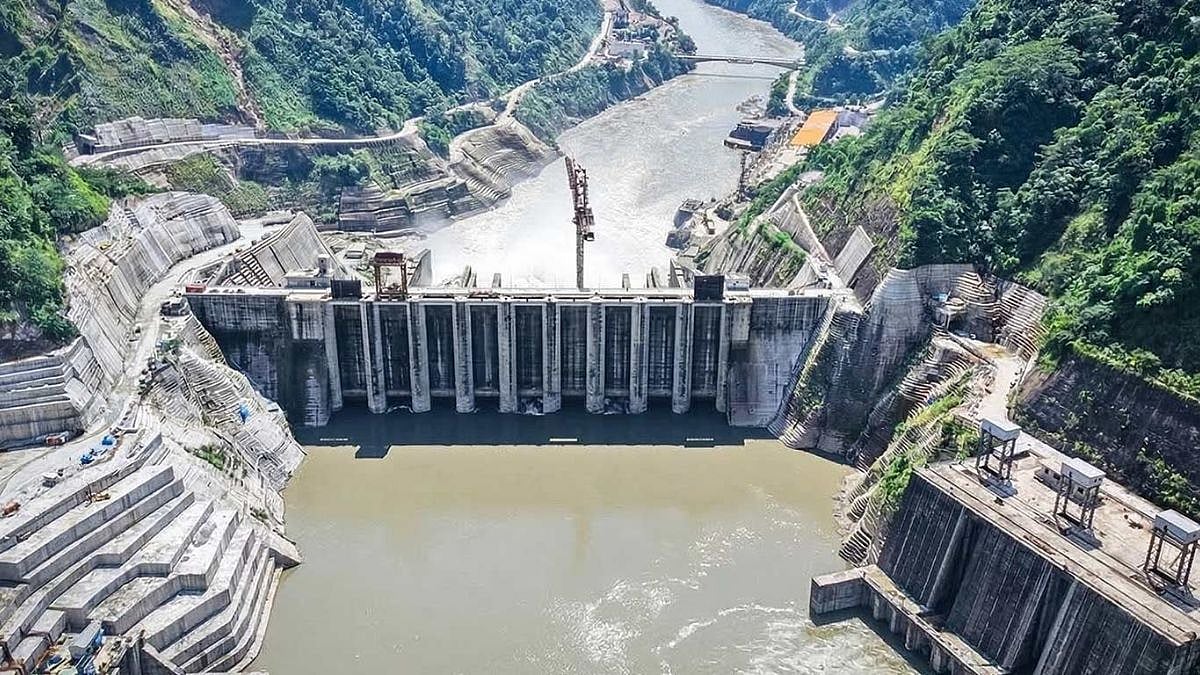
Six Indian states have agreed to work on a large dam called the Kishau Multipurpose Project.
The dam would be built on the Tons River, which flows into the Yamuna.
It is meant to provide water for farms, homes and industries.
It would also produce electricity.
Haryana, Uttar Pradesh, Rajasthan and Delhi would receive regulated water supplies.
Himachal Pradesh would give up its water share but could receive benefits linked to electricity.
The central government would pay most of the project’s cost.
Building the dam would require moving thousands of people and could affect forests, wildlife and river flows.
Governments must therefore protect affected families and the environment while completing the project.

Six states agreed to move ahead with the long-delayed Kishau Multipurpose Project on the Tons River.
The Centre will fund about 90% of the National Project’s cost, with states sharing the remainder.
The 232.6-metre dam is planned to store about 1,562 million cubic metres and generate 1,476 million units of hydropower.
The project is expected to irrigate about 97,000 hectares and provide regulated water for Haryana, Uttar Pradesh, Rajasthan and Delhi.
Construction would submerge land affecting about 5,500 people in Himachal Pradesh and Uttarakhand, making rehabilitation and environmental safeguards central concerns.
- Who
- The governments of Himachal Pradesh, Uttarakhand, Haryana, Uttar Pradesh, Rajasthan and Delhi, with financial support from the central government.
- What
- They agreed to advance the Kishau Multipurpose Project, a proposed dam intended to provide water, irrigation, hydropower and Yamuna-basin flow regulation.
- Where
- On the Tons River, a major tributary of the Yamuna, with land in Himachal Pradesh and Uttarakhand affected by the reservoir.
- When
- The agreement follows more than a decade of delays; the articles do not provide a signing date.
- Why
- To improve regional water security, irrigation, drinking and industrial-water supplies, hydropower generation and management of the Yamuna basin.
Potential Benefits
Potential Risks and Concerns
Regional water security
Potential Benefits
Supporters say regulated supplies could improve irrigation in Haryana, Uttar Pradesh and Rajasthan, ease Delhi’s drinking-water pressures and strengthen management of the Yamuna basin.
Potential Risks and Concerns
Critics could point to the risk that delays, cost escalation or disputes over allocations may prevent states from receiving the promised benefits.
Development and hydropower
Potential Benefits
The project is expected to generate 1,476 million units of hydropower, support industry and agriculture, and provide Himachal Pradesh with power-related benefits without its earlier financial burden.
Potential Risks and Concerns
The reservoir would submerge land, alter river flows and create construction-related ecological stress, while climate-related changes in rainfall and snow-fed flows could complicate management.
Resettlement and rehabilitation
Potential Benefits
Supporters say the project can proceed fairly if affected families receive transparent compensation, housing, services and livelihood support before relocation.
Potential Risks and Concerns
Opponents may argue that cash compensation alone cannot replace homes, farms, orchards, forests, community networks or traditional livelihoods for the approximately 5,500 affected people.
Key facts
- Project status
- Six states have agreed to move ahead with the long-delayed project.
- Dam height
- 232.6 metres
- Planned storage
- About 1,562 million cubic metres
- Irrigation coverage
- About 97,000 hectares
- Power generation
- 1,476 million units of clean hydropower
- Central funding
- About 90% of the project’s financial burden
- Estimated affected population
- About 5,500 people in 17 villages, according to earlier official project data
Sources
Related news
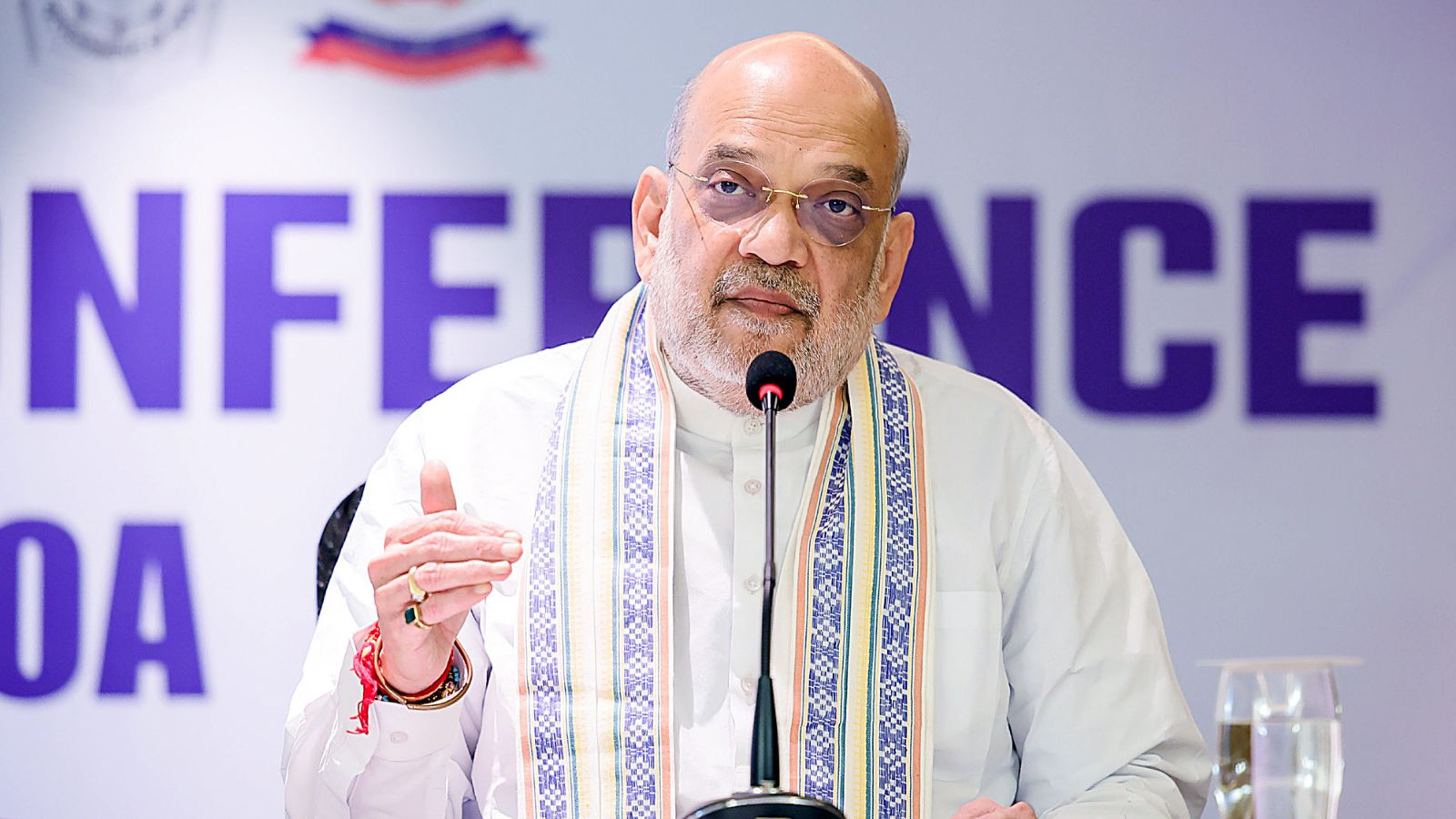
Six States Sign Kishau Pact, Advancing Long-Delayed Yamuna Project
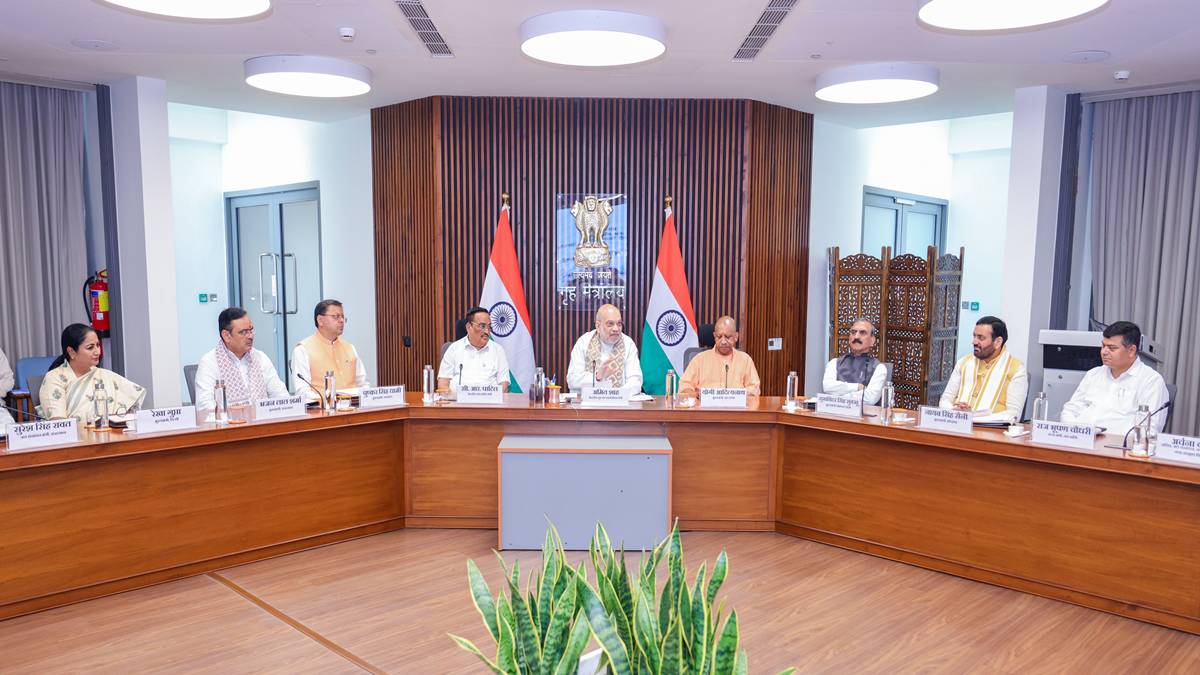
Six States Advance Long-Delayed Kishau Dam Project Agreement
Centre, Six States Sign Long-Pending Kishau Dam Pact
Kishau Project Pact Aims to Strengthen Shekhawati Water Security

Beneficiary States to Bear Himachal’s Rs 2,000 Crore Power Cost
Kishau Pact Gives Sukhu Political Edge Ahead of Himachal Polls

BJP Reshuffles State Charges Ahead of Key Elections

Four Personnel Arrested in Alleged Amroha Gang Rape Case

Congress Plans Haryana Grassroots Overhaul After 12 Years
Southwest Monsoon Withdraws From Delhi Two Days Early