5 hrs ago
Getting a Personal Loan Without a Salary Slip in India
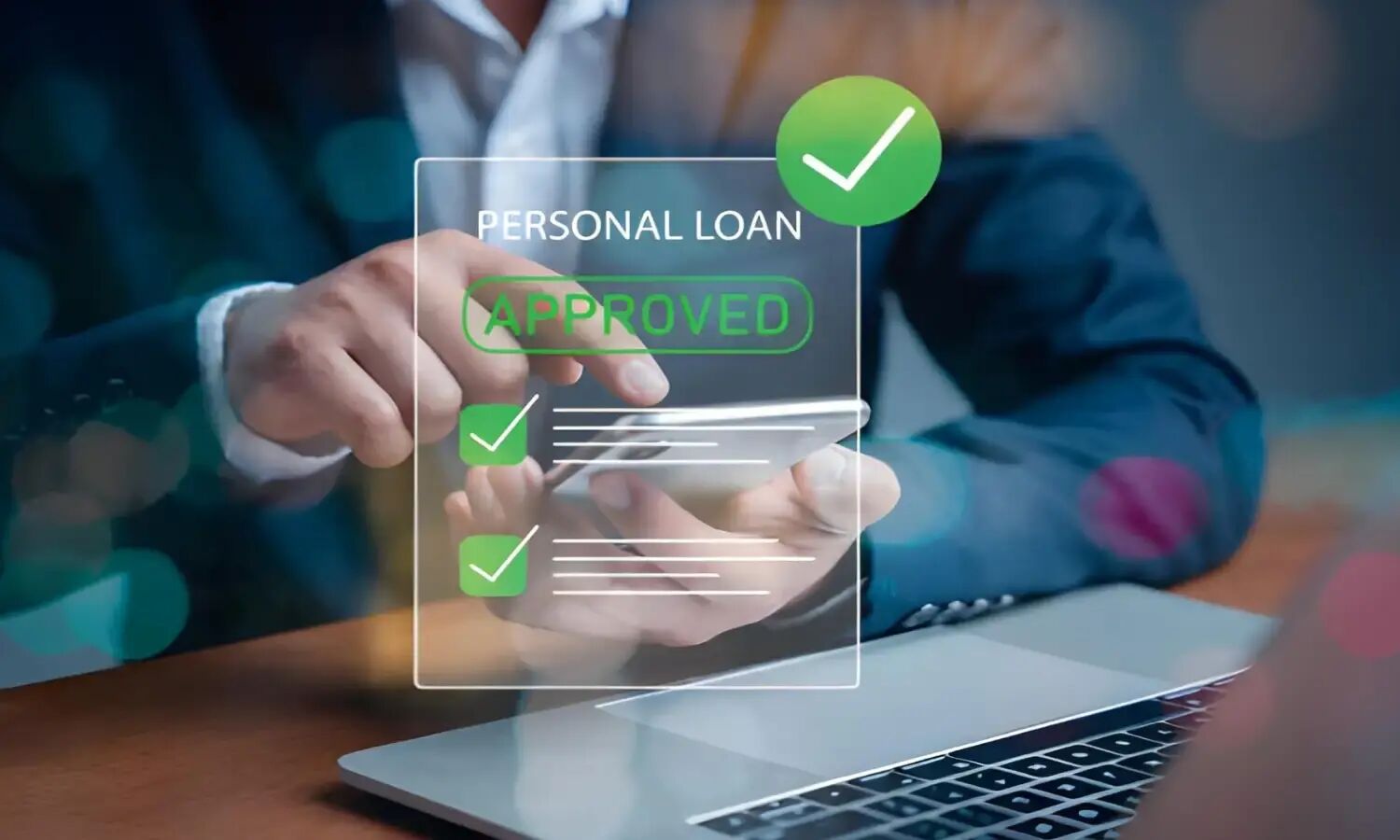
A person may be able to get a personal loan even if they do not have a salary slip.
This can happen when a lender accepts other documents to understand how the person earns money.
Bank statements, tax returns, and business records may help show income.
Identity documents help confirm who the applicant is, but do not prove income on their own.
Lenders may also look at credit history, other loan payments, and how steady the income is.
Different lenders can have different rules.
Before agreeing to a loan, a borrower should check the interest, fees, monthly payment, and rules for paying it back early or late.

Lenders may consider personal loan applications without salary slips, depending on their own criteria.
Applicants can use bank statements, income tax returns, business records, or certified financial statements to show income.
Identity documents and PAN or Form 60 support verification but do not establish income by themselves.
Eligibility can depend on credit history, income consistency, existing EMIs, work or business continuity, and the amount requested.
Before accepting a loan, borrowers are advised to check the interest rate, fees, APR, repayment terms, and disclosed penalties.
- Who
- People in India seeking personal loans without traditional salary slips, including self-employed workers and people with irregular income.
- What
- A guide to alternative documents, eligibility factors, and costs for applying for a personal loan without a salary slip.
- Where
- India.
- When
- The article refers to India's workforce in 2025 but gives no specific publication or application date.
- Why
- Some borrowers earn income through freelance work, businesses, consulting, or irregular client payments and may not have salary slips.
Key facts
- Self-employed share of workforce
- 56.2% in India in 2025, according to the article.
- Alternative income documents
- Examples include bank statements, ITRs, income computations, financial statements, GST returns, and business records.
- Identity and tax documents
- Examples include Aadhaar, passport, voter ID, driving licence, PAN, or Form 60.
- Credit score range
- CIBIL scores range from 300 to 900.
- Score described as generally good
- A CIBIL score above 700 is generally considered good, according to the article.
- Eligibility considerations
- Credit history, income proof and consistency, existing EMIs, continuity of work or business, requested loan amount, and recent credit enquiries.
- Costs and terms to review
- Interest rate, processing fee, APR or total credit cost, EMI, tenure, penal charges, and prepayment or foreclosure terms.
Sources
Related news
Instant Personal Loans Without Salary Slips: Eligibility, Documents, and Risks

Payday Loans Offer Quick Cash but Carry High Costs and Risks

Instant Personal Loans: Requirements, Approval Steps, And Hidden Costs

First-Time Borrowers: Personal Loan Eligibility, Credit Scores and Repayment

Personal Loans: Eligibility, Interest Rates, EMIs and Repayment Guide

NBFCs Account for 47% of India's New Consumer Borrowers

Festive Two-Wheeler Loan Demand Rose Sharply in 2025

Five Habits That Can Improve Your CIBIL Score
Nine Credit Card Habits That Can Improve Your CIBIL Score