

3 days ago
Uttarakhand Orders Advanced Technology-Based Monitoring of Glacial Lakes
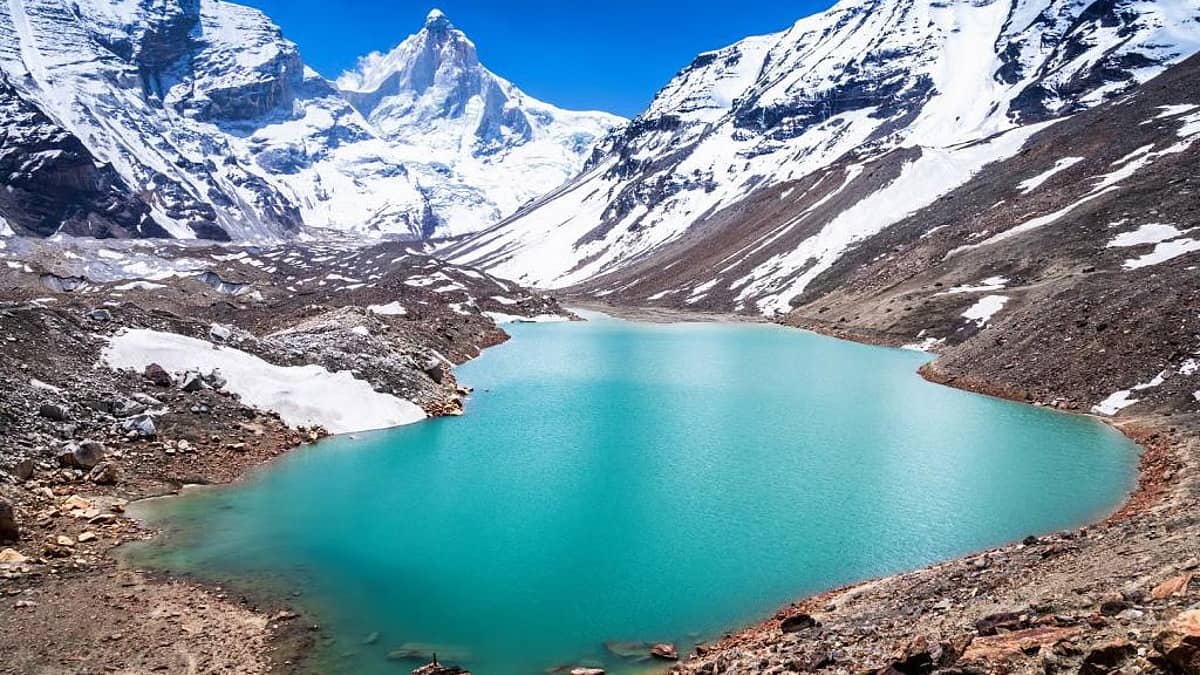
Uttarakhand has many mountains, glaciers and glacial lakes that can become dangerous if their water levels change suddenly.
Minister Madan Kaushik asked officials to watch these lakes continuously.
They may use satellites, drones, sensors and other technology to do this.
Warning systems should tell people early if a lake or river becomes dangerous.
Officials must also prepare for heavy rain, landslides, blocked roads and damaged services.
Machines and rescue teams should be placed near places where problems are likely.
People near rivers or in unsafe areas may be moved to safer places.
The government also wants food, medicine, communication and medical help ready for emergencies.
Officials were additionally told to take strong steps to prevent dengue.

Minister Madan Kaushik directed authorities to continuously monitor Uttarakhand’s glacial lakes and associated risks.
Officials were asked to explore satellite imagery, remote sensing, drones, sensors and early-warning systems.
The State Emergency Operations Centre was instructed to coordinate round-the-clock disaster preparedness across districts.
Authorities were told to pre-position machinery, supplies and response teams in landslide-prone and vulnerable areas.
Kaushik also ordered dengue-prevention campaigns, protection for vulnerable residents and priority restoration of essential services.
- Who
- Madan Kaushik, Uttarakhand’s Disaster Management and Rehabilitation Minister, directed state authorities and emergency agencies.
- What
- Authorities were instructed to adopt advanced technologies to monitor glacial lakes and strengthen preparedness for rainfall-related disasters.
- Where
- The review took place in Dehradun, Uttarakhand, with instructions applying across the state.
- When
- The directions were issued on Sunday during the minister’s visit to the State Emergency Operations Centre.
- Why
- The measures aim to identify glacial-lake, flood, landslide and heavy-rainfall risks early and protect human life.
Key facts
- Minister
- Madan Kaushik, Disaster Management and Rehabilitation Minister
- Monitoring tools
- Satellite imagery, remote sensing, drones, sensor-based monitoring and other advanced systems
- Key risks reviewed
- Glacial lakes, heavy rainfall, river levels, landslides, blocked roads and disrupted essential services
- Emergency coordination
- The State Emergency Operations Centre was directed to coordinate continuously with all districts.
- Preparedness measures
- Authorities were told to pre-position machinery, technical teams, pumps, supplies and alternative communication systems.
- Vulnerable groups
- Pregnant women, senior citizens, people with disabilities and those with serious illnesses were given special attention.
- Public health
- Municipal and rural local bodies were instructed to intensify dengue-control campaigns, drainage, fogging and anti-larval spraying.
Sources
Related news

Uttarakhand Orders Monitoring of 13 Sensitive Glacial Lakes
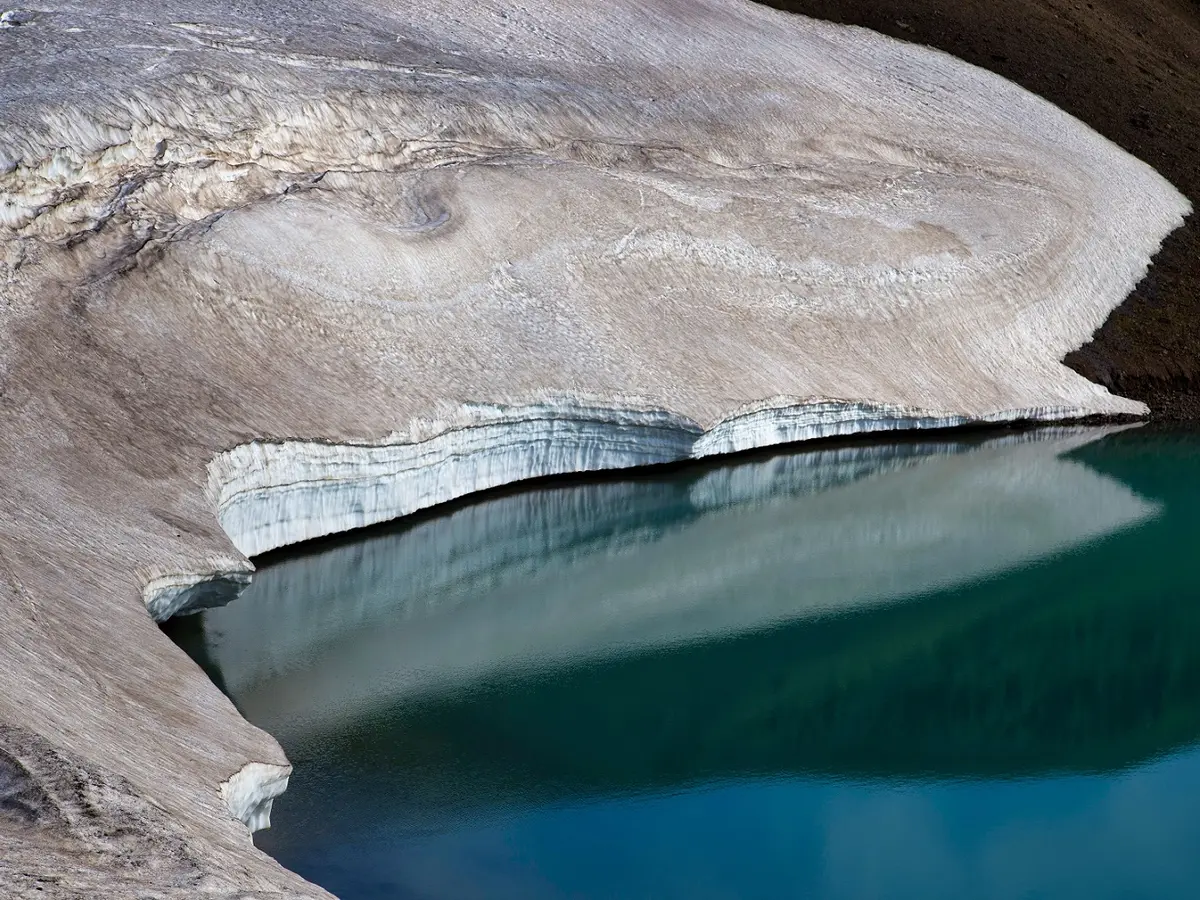
Himachal Pradesh Identifies 67 Vulnerable Glacial Lakes, Plans Warnings

Uttarakhand Raises Flood Alert After Nepal Flash Floods
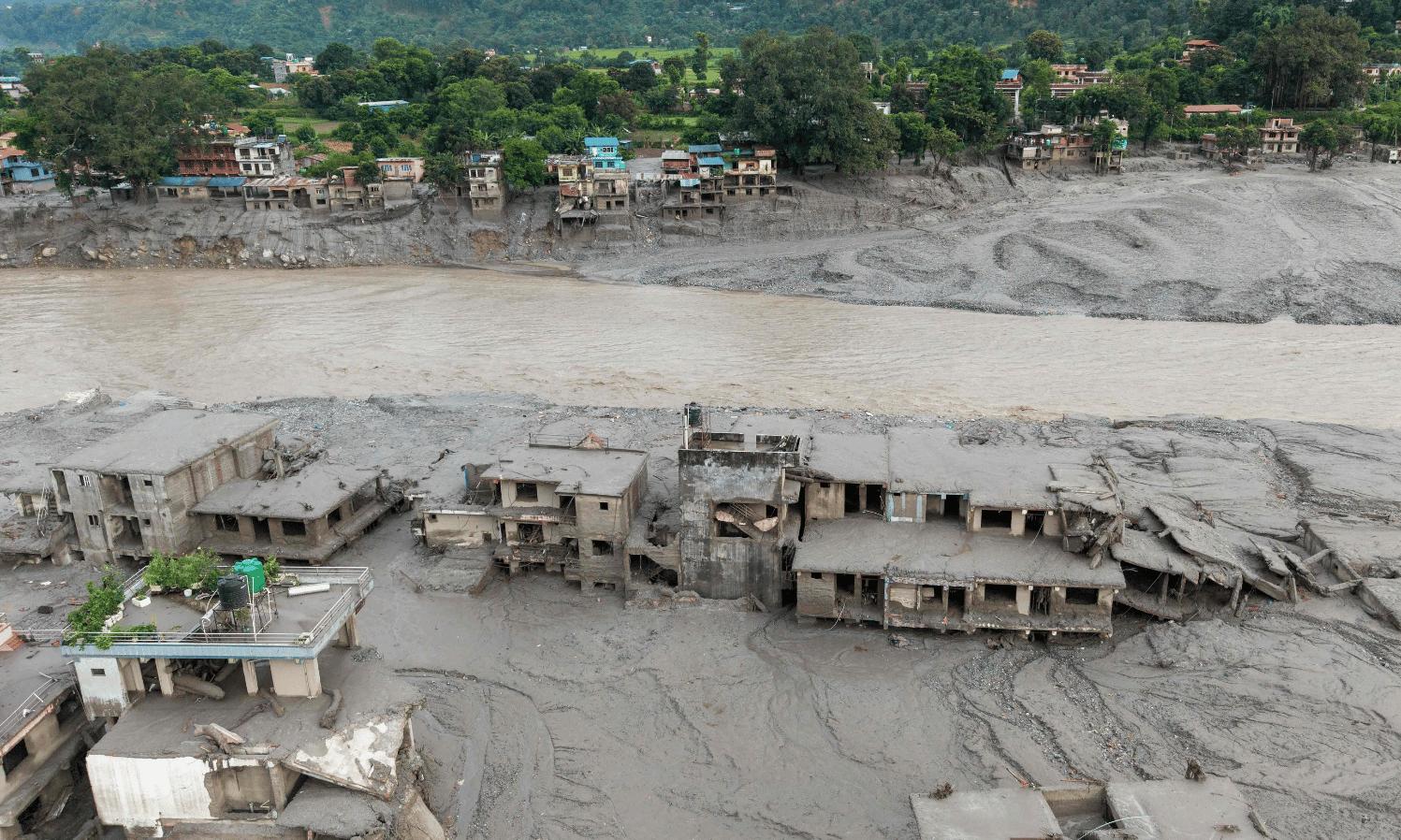
Nepal Monitors Two Lakes as Flood Risk Persists Downstream

Himachal largely dry amid scattered rains; orange alert issued
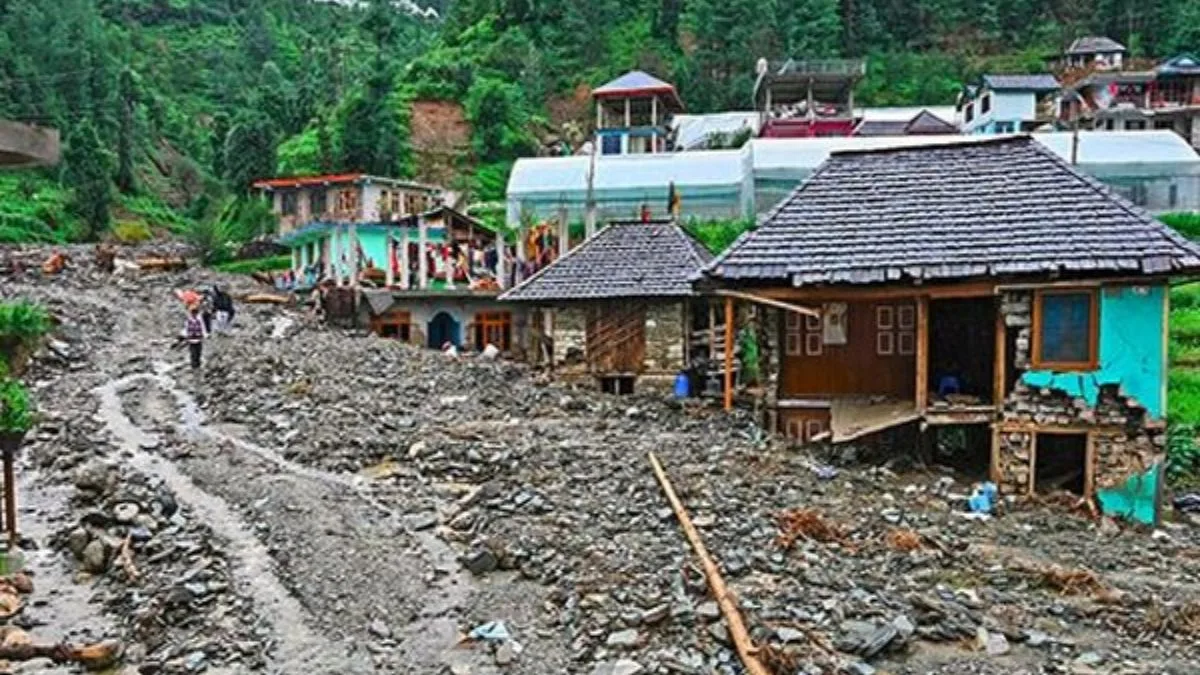
Himachal Monsoon Claims 163 Lives, Blocks 204 Roads
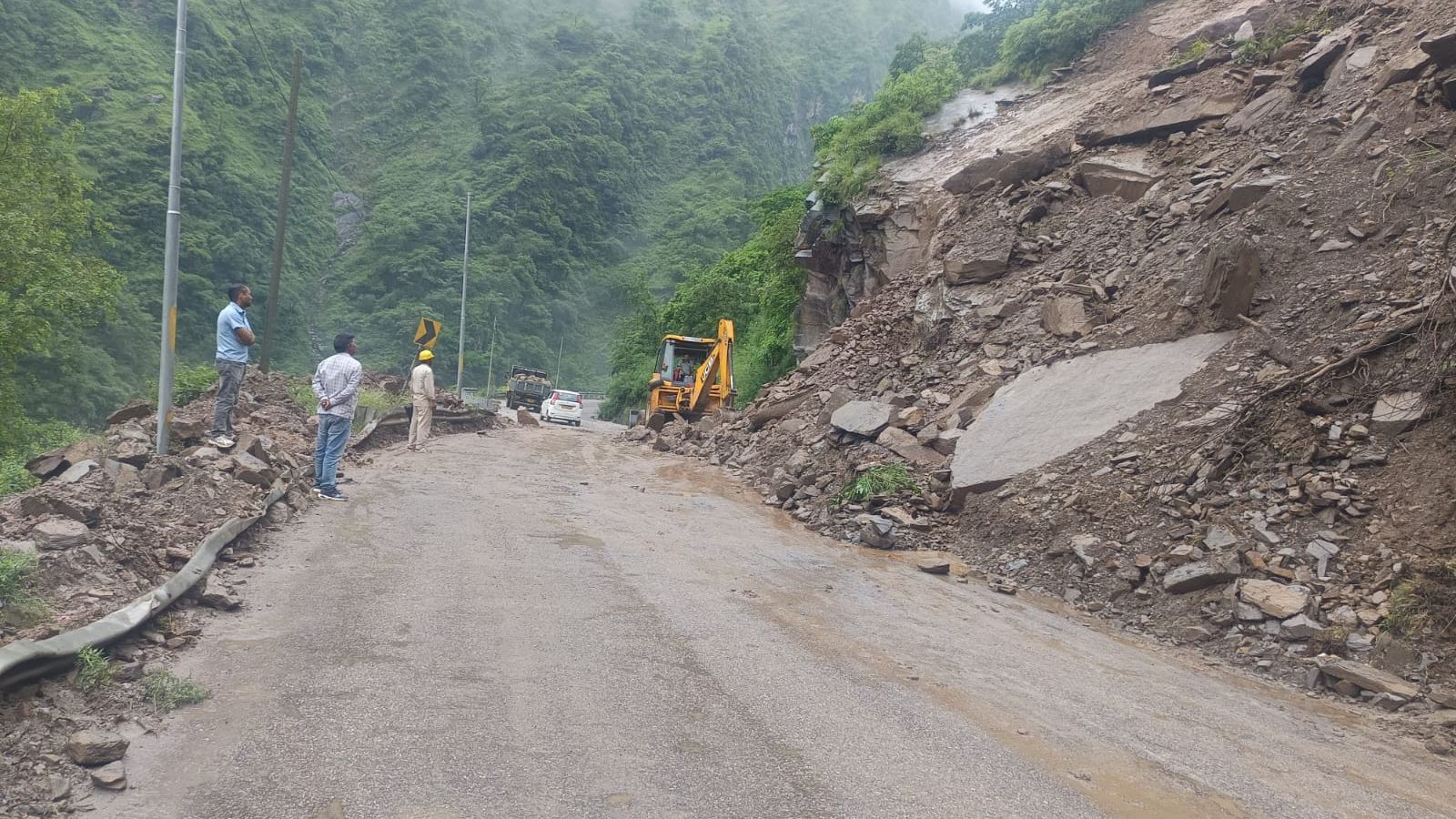
Himachal Rain Disrupts Life; 259 Roads Blocked, Mandi Worst Hit

Kerala Rains Cause 8 Deaths, 8 Missing, 13 Injured
