1 week ago
Nanded University Secures Indian Patent for Tuberculosis Nano-Drug Delivery
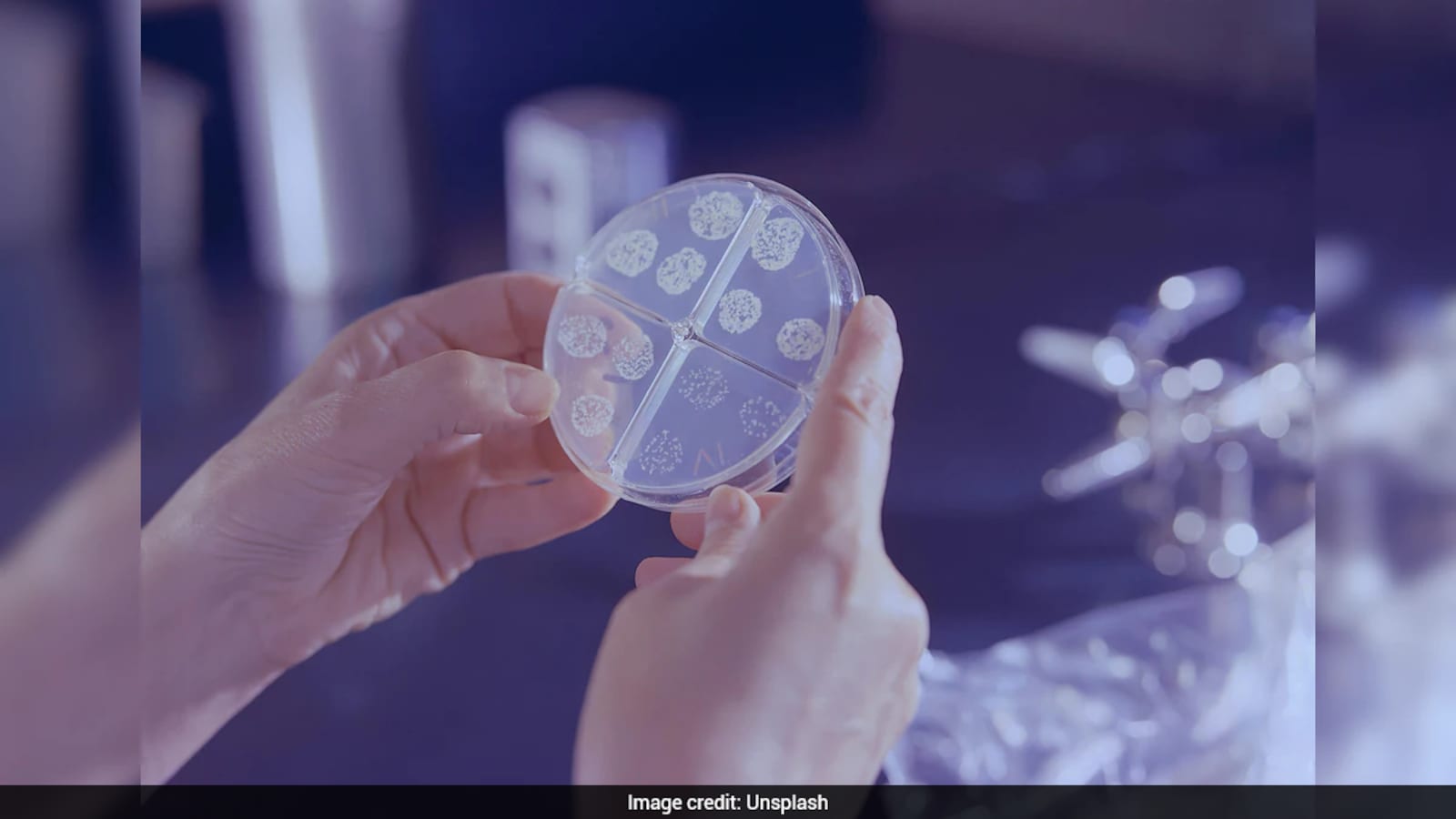
A university in Nanded, Maharashtra, has received an Indian patent for a new medicine-delivery technology.
The technology uses extremely tiny structures called nanostructures.
It is meant for tuberculosis medicines that do not dissolve well in water.
Medicines that dissolve poorly can be harder for the body to use effectively.
The new system may help deliver these drugs better inside the body.
The university said this could improve their therapeutic effectiveness.
The patent is called “Nanostructured Delivery Device for Poorly Water-Soluble Anti-Tubercular Drugs and Method Thereof.”
It will remain valid for 20 years.

Swami Ramanand Teerth Marathwada University in Nanded has secured an Indian patent.
The patent covers a nanostructured delivery device for poorly water-soluble anti-tubercular drugs.
The technology is designed to improve how these medicines are delivered in the body.
The university said improved delivery could enhance the drugs’ therapeutic effectiveness.
The patent has been granted for 20 years.
- Who
- Swami Ramanand Teerth Marathwada University in Nanded.
- What
- It secured an Indian patent for a nanostructured delivery system for poorly water-soluble anti-tubercular drugs.
- Where
- Nanded, Maharashtra, India.
- When
- The university announced the patent on Wednesday; it has been granted for 20 years.
- Why
- To improve the delivery and potential therapeutic effectiveness of poorly water-soluble tuberculosis medicines.
Key facts
- Institution
- Swami Ramanand Teerth Marathwada University
- Location
- Nanded, Maharashtra
- Patent title
- Nanostructured Delivery Device for Poorly Water-Soluble Anti-Tubercular Drugs and Method Thereof
- Patent jurisdiction
- India
- Patent term
- 20 years
- Technology
- Nanostructured delivery system for poorly water-soluble anti-tubercular drugs
Sources
Related news

Godavari Biorefineries secures European patent for anti-cancer drug composition

Maharashtra Plans Rural Expansion of Faster TB Testing

Govt clarifies ₹882-crore Truenat tender is for existing machines
DRDO, University of Hyderabad Researchers Secure Patent for Rocket Propellant

Sixteen-Year-Old Anand Krishna Recognized for Quantum Technology Innovation

Parul University, IIT Palakkad Patent E-Waste Innovation

Three Killed, Seven Injured in Nanded Jeep Tree Crash

Latur Leads Maharashtra’s First-Round MBBS Allotments
South Central Railway Honours 10 Staff for Preventing Mishaps
Special Amritsar–Nanded Trains Announced Amid Festival Passenger Rush

Maharashtra Contractors Seek Relief Amid ₹1,890 Crore Pending Dues