2 days ago
India’s Haunted Legends Turned Into Gen Z Travel Plans

Lore-tripping means planning trips around spooky stories and local legends.
Airbnb says many Gen Z travelers are choosing small towns instead of famous tourist places.
In its survey, 90% of Gen Z respondents found these unusual destinations appealing.
They liked the lower costs, local culture and special attractions.
India has an example called Bhangarh Fort in Rajasthan.
People associate the fort with a curse said to date back to the 17th century.
The Archaeological Survey of India does not allow visitors there after sunset.
That rule and the legend may make the fort even more interesting to visitors.

“Lore-tripping” describes travel inspired by haunted stories, curses and unusual local legends.
Airbnb found Gen Z increasingly choosing small, lesser-known towns over major tourist hotspots.
Ninety percent of surveyed Gen Z respondents said such destinations were appealing.
Affordability, authentic local culture and unique attractions were the main reasons cited.
Bhangarh Fort in Rajasthan attracts interest because of its enduring 17th-century curse legend and after-sunset visitor ban.
- Who
- Gen Z travelers, as described in an Airbnb survey.
- What
- A travel trend called “lore-tripping” is drawing interest to places associated with haunted stories, curses and unusual local culture.
- Where
- Small, lesser-known towns, including Bhangarh Fort in Rajasthan, India.
- When
- The article does not specify when the survey was conducted; Bhangarh Fort’s legend is described as dating to the 17th century.
- Why
- Travelers are drawn by affordability, authentic local culture and attractions unavailable elsewhere, as well as the sites’ unusual legends.
Key facts
- Travel trend
- “Lore-tripping” involves turning haunted stories and curses into travel plans.
- Survey source
- Airbnb identified the trend through a survey.
- Gen Z appeal
- 90% of surveyed Gen Z respondents found such destinations appealing.
- Main motivations
- Affordability, authentic local culture and unique attractions.
- Indian example
- Bhangarh Fort in Rajasthan is associated with a persistent 17th-century curse legend.
- Visitor restriction
- The Archaeological Survey of India bars visitors from Bhangarh Fort after sunset.
Sources
Related news
Why India Struggles to Attract Foreign Tourists
Tourism, Gen Z And Politics: Shekhawat On India’s Challenges

Rising Costs and Visa Curbs Cool Indian Gen Z Study Plans
Five Offbeat Bengal Destinations to Visit Before Durga Puja
Uttar Pradesh Asks Gen Z to Share City Stories

Asha Negi Says Uttarakhand Folklore Shaped Her Horror Fascination
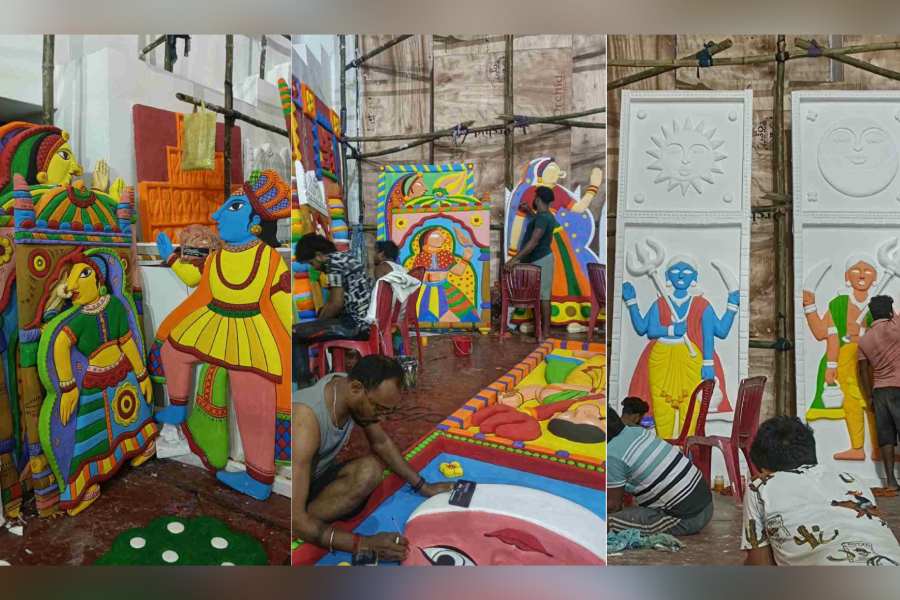
Rajasthan’s Gangaur Inspires Kolkata Puja’s 90th Durga Celebration

Askari Naqvi, Kutle Khan Project Headline Lucknow’s ‘Baarish’ Experience

Bengaluru CEO’s Hiring Ban Sparks Workplace Bias Debate

IRB Infra Transfers Two Toll Roads for Rs 2,744 Crore

India Needs Resilient Policies as Heat Waves Intensify