8 months ago
India Can Lead Sustainable Footwear Exports: Exim Bank
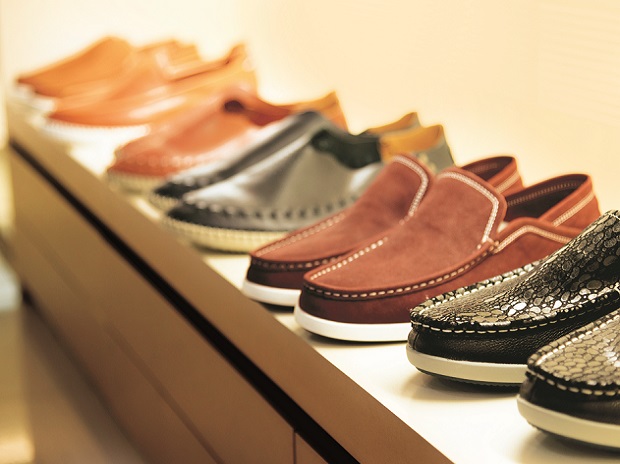
Exim Bank says India can become a big player in making and selling eco-friendly shoes.
Many famous brands are already using shoes made from plant-based materials like coffee beans, rice husks, and grape skins.
India has lots of natural resources and skilled workers, which can help it make these sustainable shoes at a lower cost.
To do this, India needs to invest in new technologies and work with both the government and private companies.
This will help India meet the growing demand for sustainable fashion worldwide.

International brands are promoting sustainable shoes made from plant-based materials.
India has the potential to become a global hub for sustainable footwear exports due to its natural resources and skilled labor.
Sustainable materials like coffee beans, rice husks, grape-based alternatives, and recycled materials are becoming mainstream.
India needs to invest in research, public-private partnerships, and supply chain traceability to realize this potential.
Global buyers demand transparency, certifications, and compliance with environmental and labor standards.
- Who
- Exim Bank, Indian footwear manufacturers, international brands like Marks & Spencer, Stella McCartney, Gucci
- What
- Potential for India to become a global hub for sustainable footwear exports
- Where
- India, Europe, North America
- When
- Current and future market trends
- Why
- Growing global demand for sustainable and affordable footwear
Key facts
- Key Players
- Marks & Spencer, Stella McCartney, Gucci
- Sustainable Materials
- Coffee beans, natural rubber, rice husks, grape-based alternatives, viscose, wood pulp, recycled steel, banana fibers, coconut husk, hemp, jute, sugarcane bagasse, pineapple leaf fibers, mushroom-based leather, apple leather, recycled PET bottles
- Regions with High Demand
- Europe, North America
- India's Advantages
- Natural resources, manufacturing base, skilled labor, green startups, cost competitiveness
- Required Investments
- Research and development, public-private partnerships, supply chain traceability
Sources
Related news
Putin Rejects European Fears of Possible Russian Attack
Putin Weighs Ukraine Talks, Rules Out Conflict With Europe
Indore Police Probe Fake Tour and Property Fraud Cases

Europe Rolls Out Relief Plans As Wars Raise Energy Costs

Russia’s Hybrid War Tests NATO’s Limits Across Europe