1 hr ago
BRICS Pushes Global South Representation Beyond Western Institutions
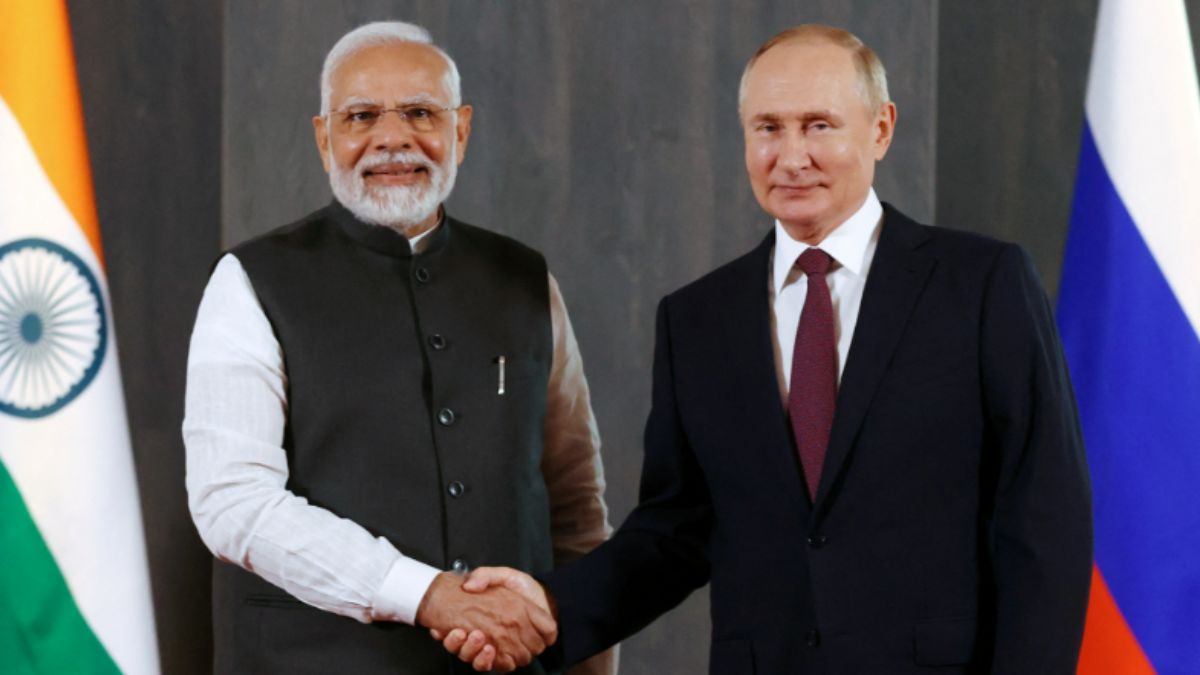
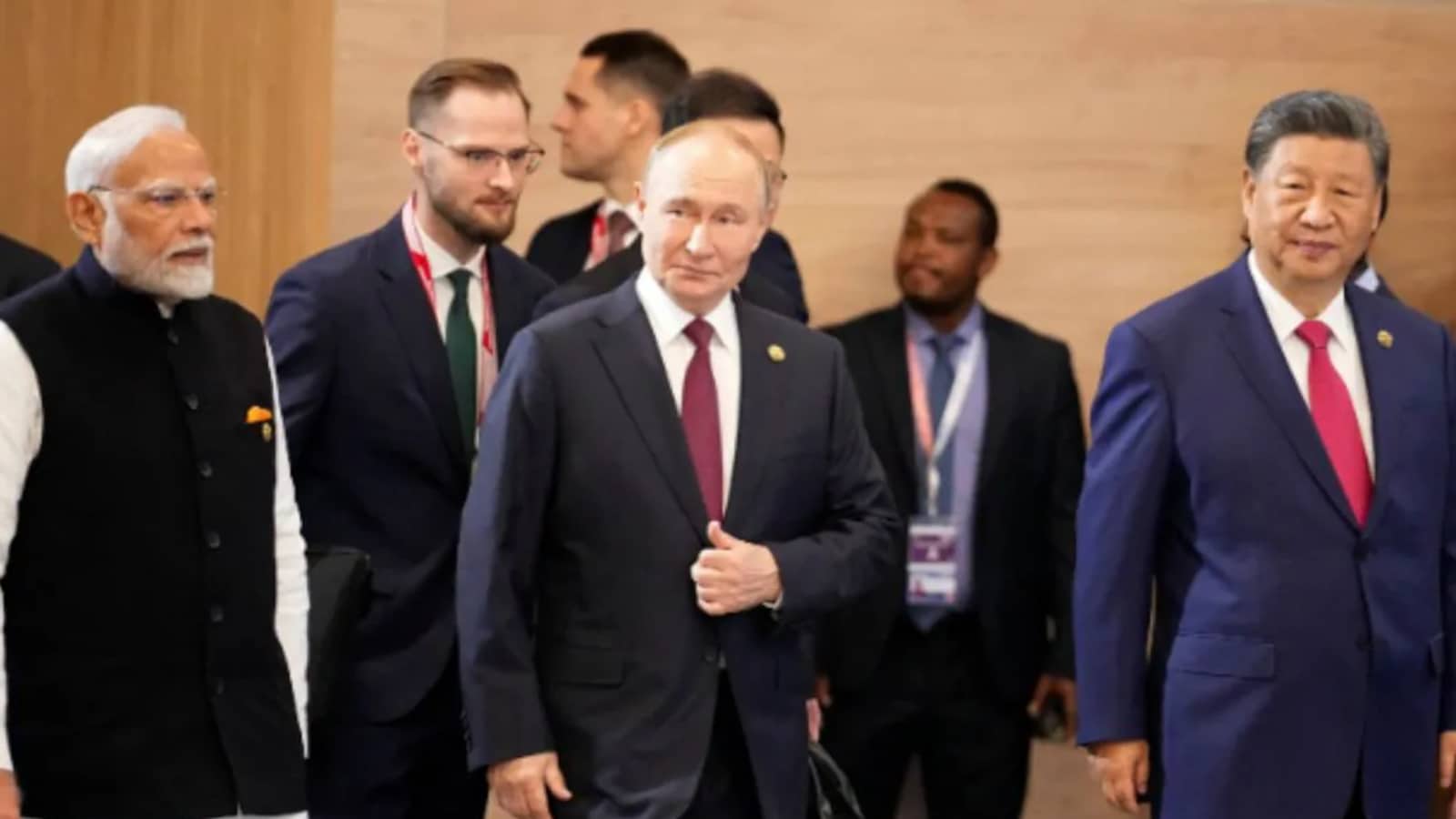
BRICS is a group of countries that wants countries from the Global South to have more influence in world affairs.
Many BRICS members were once controlled or heavily influenced by European empires.
The group wants the United Nations Security Council to give permanent seats to India and Brazil.
China and Russia have said they support those ambitions.
BRICS also created the New Development Bank to offer financing outside older Western-led institutions.
It is working on using local currencies and reducing reliance on the US dollar.
Some members worry about relying too heavily on China for financial and digital systems.
BRICS also wants ideas about development and modern life to come from many cultures, not only from Western countries.

BRICS is presented as a Global South grouping seeking a more multipolar international order without dismantling existing institutions.
India and Brazil are seeking permanent United Nations Security Council seats and veto rights, with support from China and Russia.
The New Development Bank, established in 2015, has approved $42.9 billion for 139 projects as an alternative to Western-led financial institutions.
BRICS is promoting local-currency financing, de-dollarisation, and an interoperable digital-payments architecture, though trust in China remains a concern.
The grouping also seeks to develop Global South perspectives on knowledge, development, modernity, and international terminology.
- Who
- BRICS members, particularly India and Brazil, along with China, Russia, and other Global South countries.
- What
- The grouping is seeking greater Global South representation in global institutions, including permanent United Nations Security Council seats, financial alternatives, and reduced reliance on the US dollar.
- Where
- The issue concerns the United Nations, BRICS institutions, and the wider international order; India is scheduled to host the 2026 BRICS Summit.
- When
- The article discusses the 2025 BRICS declaration, the 2026 BRICS Summit, and initiatives launched since the New Development Bank was established in 2015.
- Why
- BRICS seeks a multipolar world and greater influence for countries that were historically excluded from shaping international institutions.
BRICS Reform Advocates
Skeptical Critics
Global governance reform
BRICS Reform Advocates
Supporters argue that India and Brazil deserve permanent Security Council representation because of their regional importance, population, peacekeeping contributions, and wider Global South representation.
Skeptical Critics
The article notes that existing institutions are not being dismantled and that India may also be pursuing its own South Asian interests through permanent membership.
Financial independence
BRICS Reform Advocates
Advocates view the New Development Bank, local-currency financing, and de-dollarisation as ways to challenge the dominance of Western-led financial institutions and the US dollar.
Skeptical Critics
Critics point to the need to overcome trust concerns involving China, whose digital infrastructure is described as central to proposed BRICS payment arrangements.
Knowledge and development
BRICS Reform Advocates
Supporters want BRICS countries to define development, modernity, and international terminology from Global South perspectives rather than relying on Eurocentric concepts.
Skeptical Critics
The grouping continues to work within existing global systems and does not pursue a complete institutional break, limiting how far its alternative intellectual framework may extend.
Key facts
- 2026 summit
- India is hosting the 2026 BRICS Summit.
- UN Security Council proposal
- BRICS supports permanent seats and veto rights for India and Brazil.
- Support cited
- China and Russia reiterated support for India and Brazil playing a greater role in the Security Council in the 2025 BRICS declaration.
- New Development Bank
- The bank was introduced in 2015 and has approved $42.9 billion in financing for 139 projects.
- Financial expansion
- The New Development Bank began welcoming its first non-founding members in 2021 and expanded local-currency financing.
- De-dollarisation
- BRICS is pursuing greater use of local currencies and an interoperable digital-payments architecture.
- Main concern
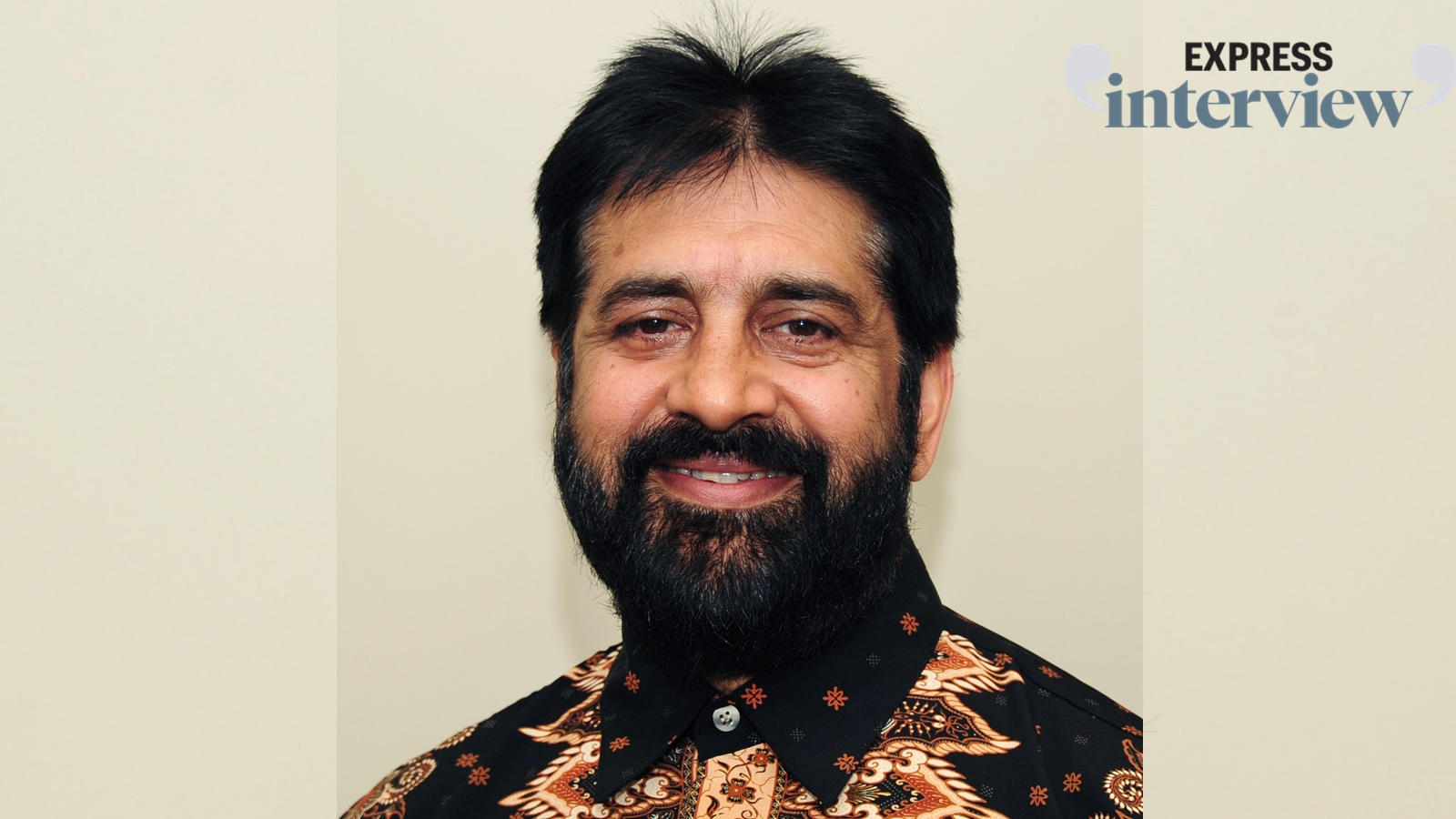
- Analyst Sanjay Ranade identified trust in China as a significant challenge for BRICS cooperation.
Quotes
Sanjay Ranade
Mumbai-based academician and public affairs strategist
“One of the most significant moves of the post-colonial world is towards de-dollarisation, and the National Development Bank is a step towards that.”
 republicworld.com
Sources
Related news
Sookal Urges BRICS Leadership on Conflict, Trade and Global Governance
BRICS Expansion Puts Membership and Reform at New Delhi Summit
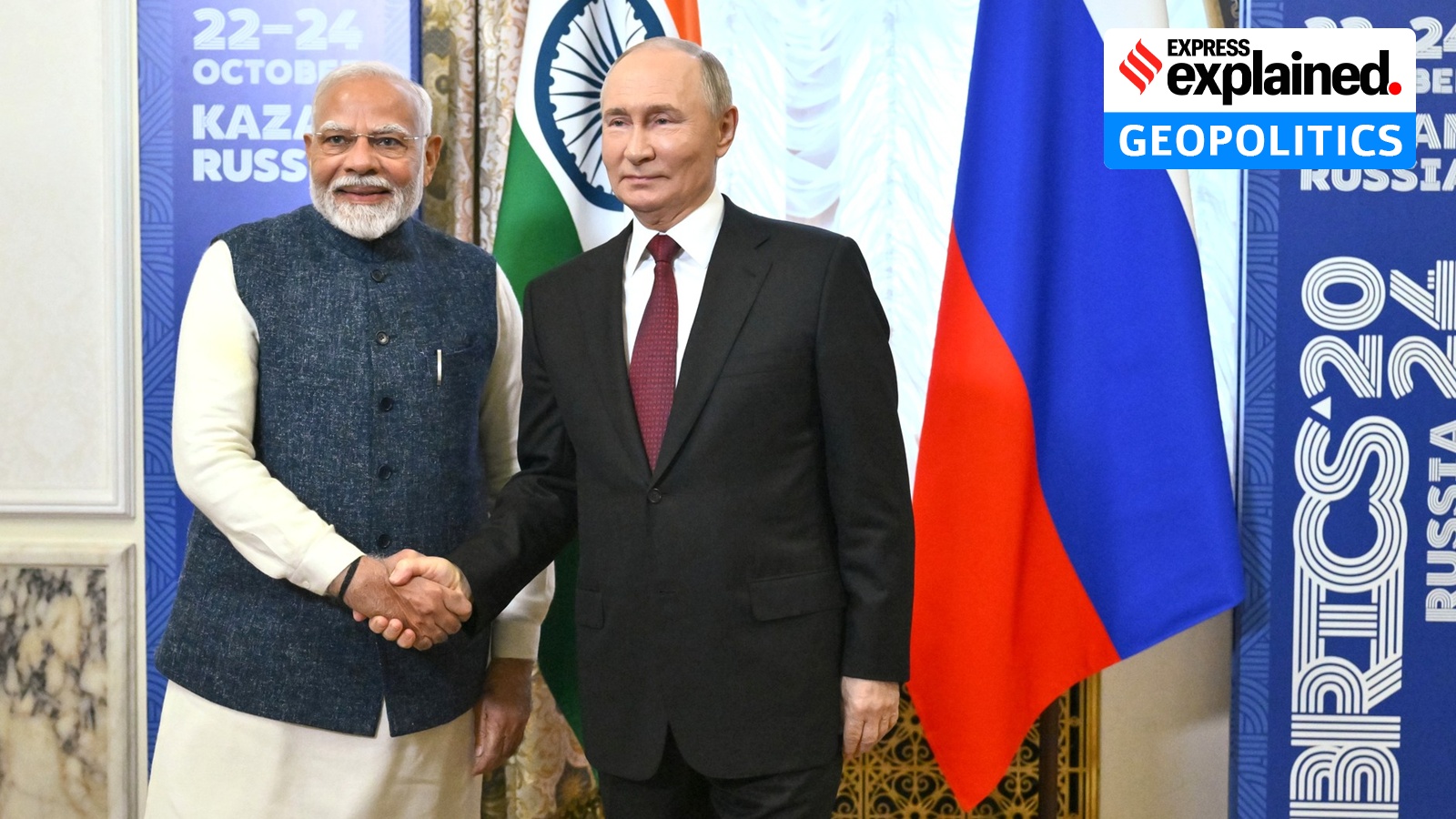
India Seeks Practical BRICS Agenda Beyond Confronting West
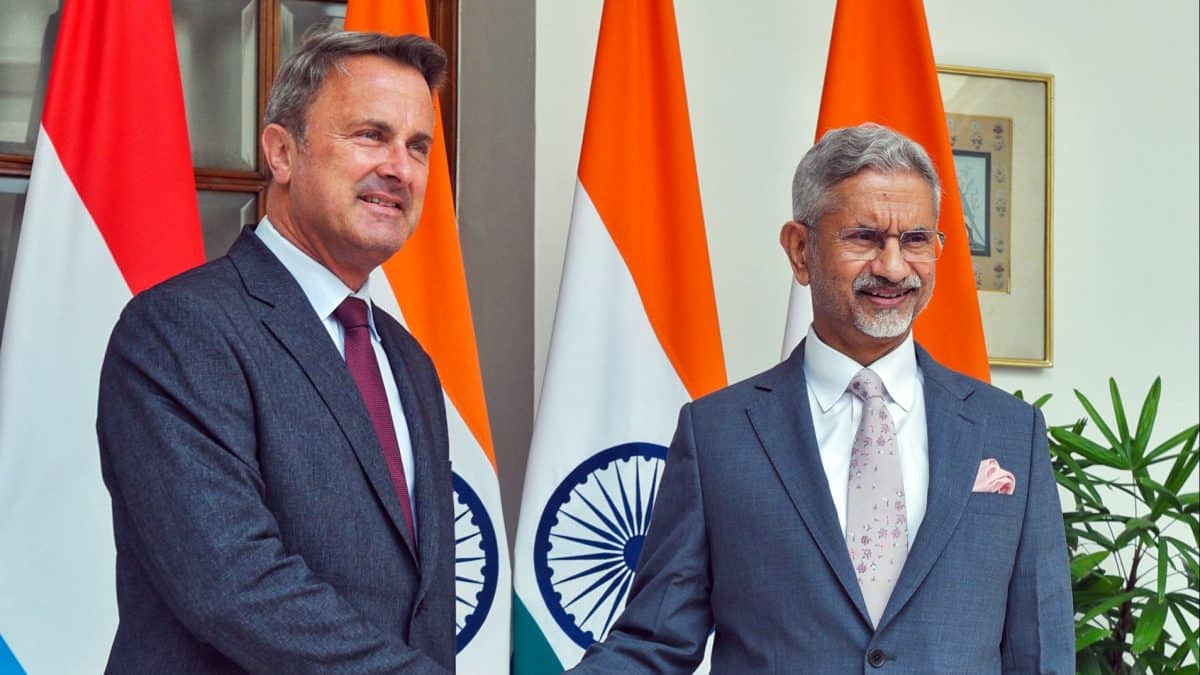
Luxembourg Backs India’s Permanent Seat, Urges UN Veto Reform
Why Cooperation Between India and China Could Reshape BRICS

India's permanent UNSC seat bid remains top priority, government says

US Homeland Security Post Criticized as Anti-Indian and Racist
Xi Jinping’s BRICS Visit to India Remains Uncertain Without Confirmation
India To Promote Digital Currencies for BRICS Cross-Border Payments
Jefferies Identifies Six Sectors Powering India’s Industrial Revolution