17 hrs ago
BRICS Seeks to Move Global South From Rule-Taker to Rule-Shaper
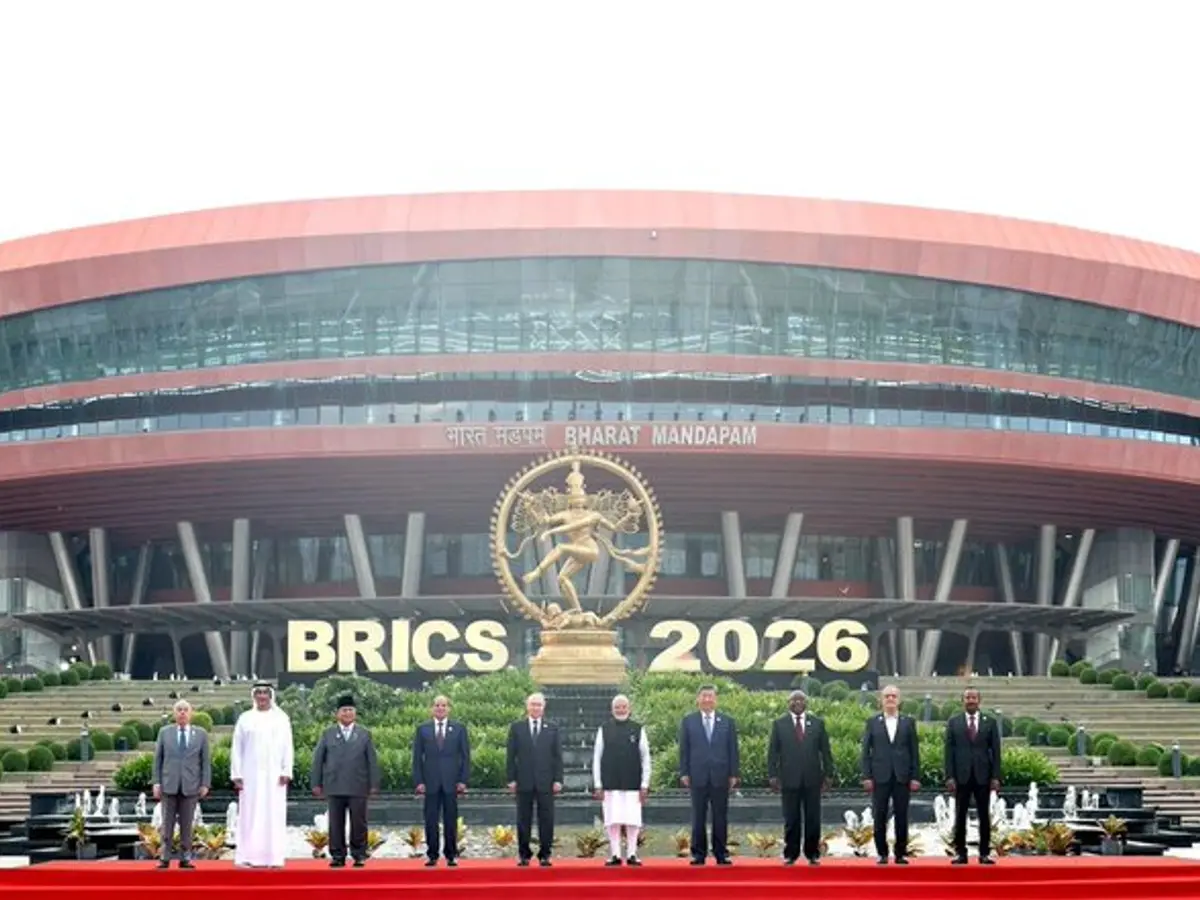
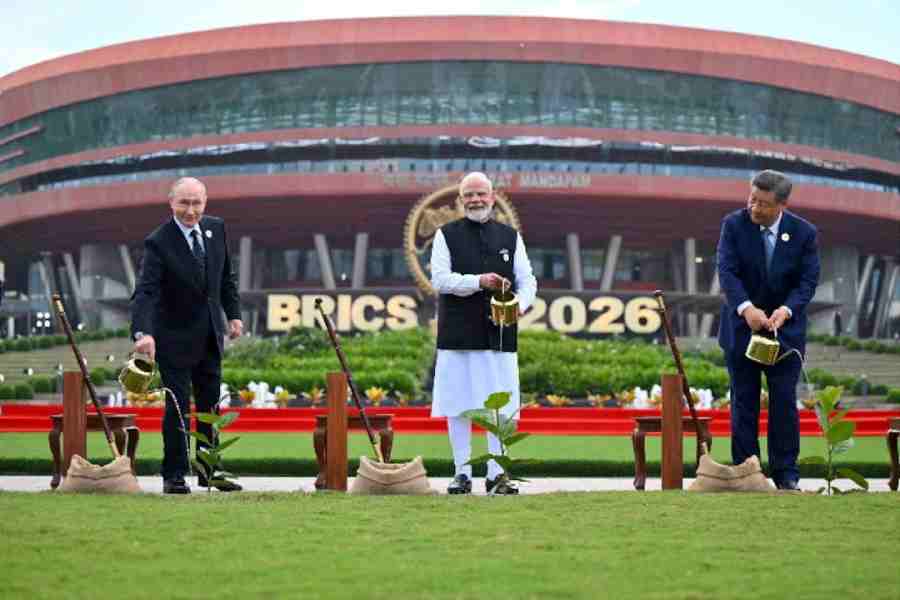
BRICS is a group of countries that wants developing nations to have more say in global decisions.
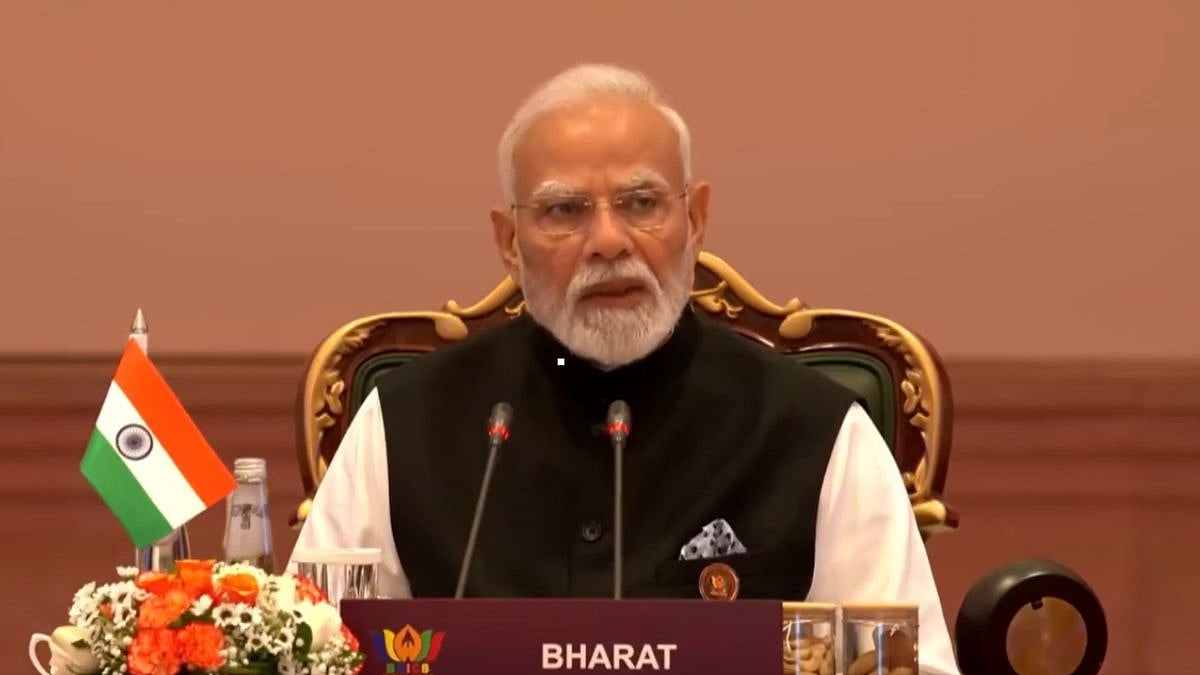
Prime Minister Narendra Modi said these countries should help make international rules instead of only following them.
The rules involve areas such as trade, artificial intelligence, cyberspace and new technologies.
BRICS countries do not always agree with one another.
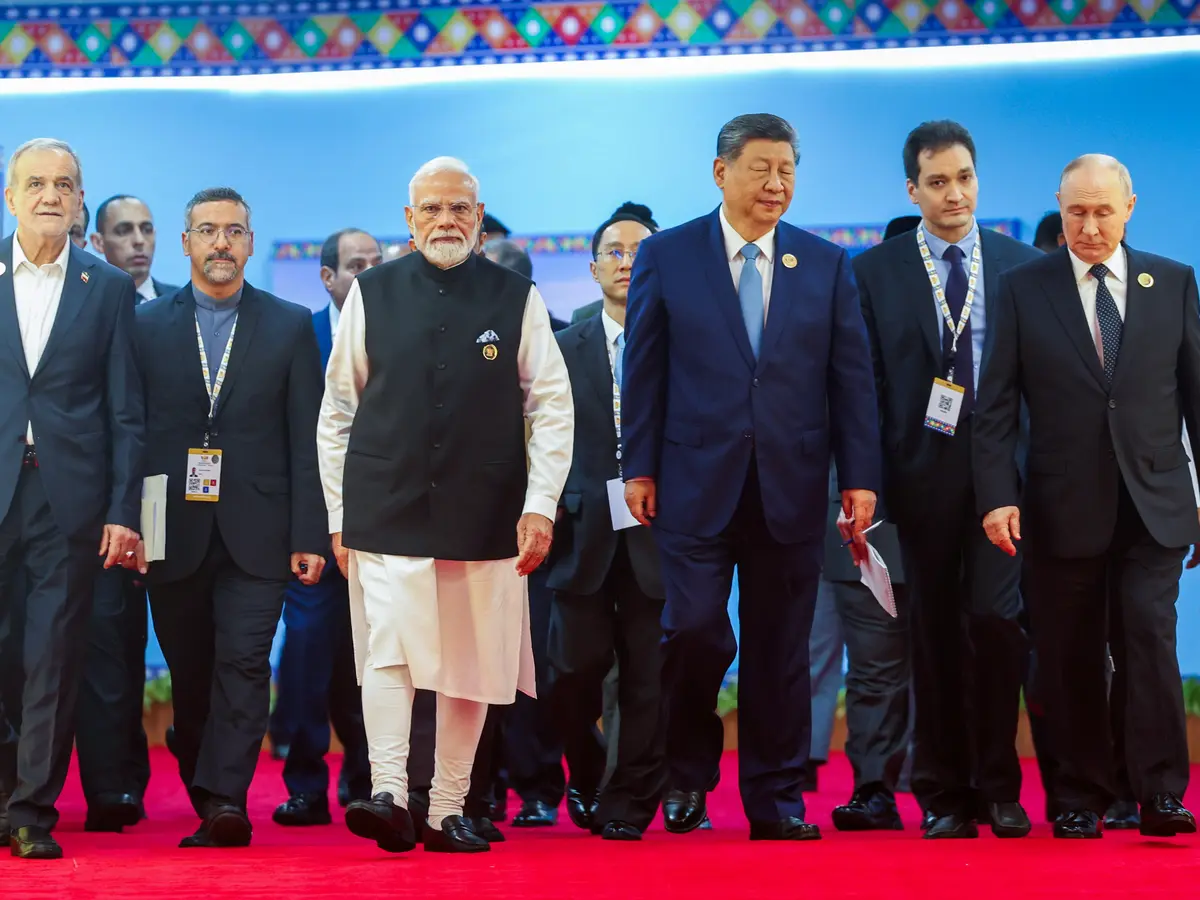
India and China compete strategically, while Russia and China favor a stronger challenge to Western power.
India and Brazil have generally resisted making BRICS an explicitly anti-Western alliance.
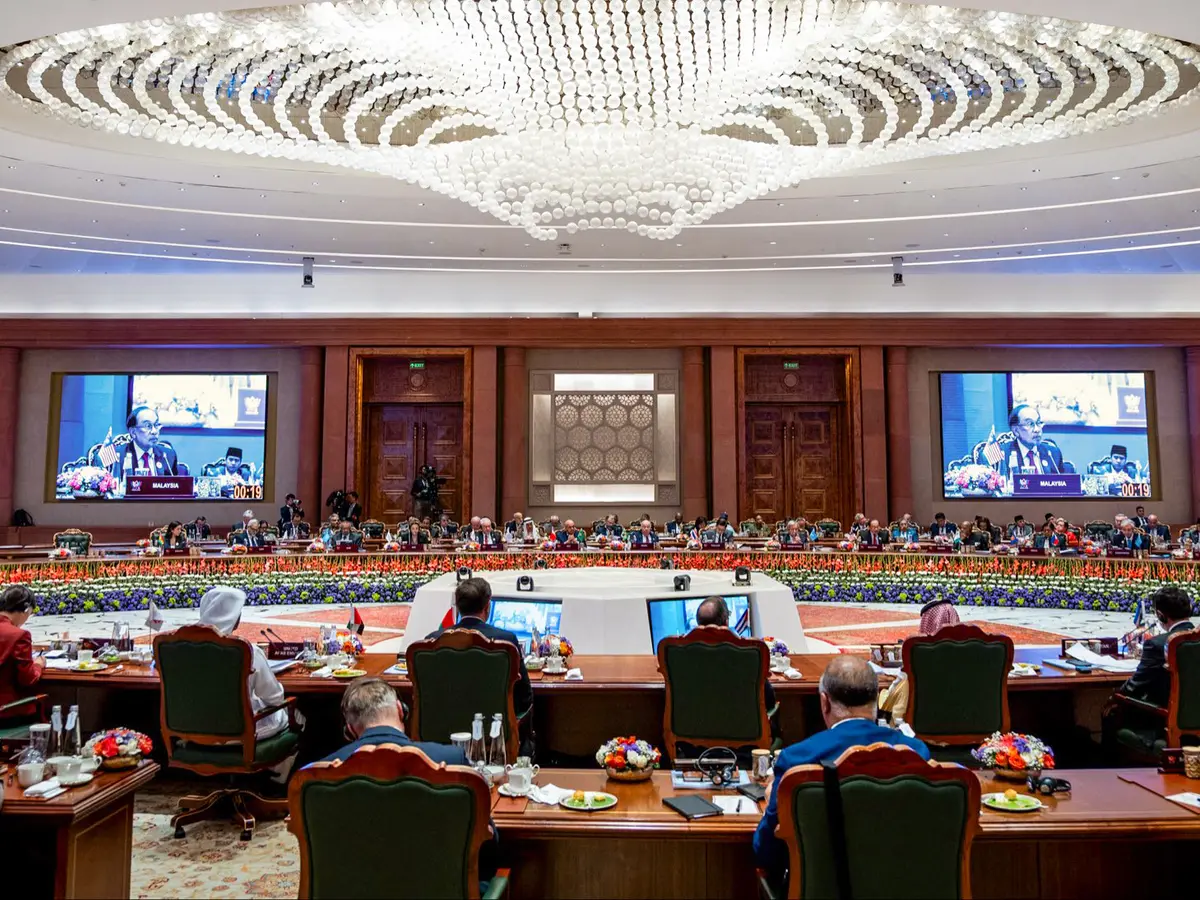
Even so, the members agreed on a shared declaration in New Delhi.
They called for restraint and peaceful diplomacy over Middle Eastern tensions.
The group must now show whether its declarations can produce lasting action.

Prime Minister Narendra Modi urged the Global South to become “rule-shapers” rather than “rule-takers.”
BRICS members unanimously adopted the New Delhi Declaration despite strategic differences among its members.
The declaration expressed concern about Middle Eastern tensions and called for restraint, dialogue and diplomacy.
Members criticized unilateral tariff and non-tariff measures that distort international trade.
BRICS members represent more than 40% of humanity, while its New Development Bank has approved nearly $43 billion in projects.
- Who
- BRICS member countries, including India, China, Russia, Brazil, Iran and the United Arab Emirates, with Prime Minister Narendra Modi articulating India’s position.
- What
- BRICS unanimously adopted the New Delhi Declaration and promoted a greater role for the Global South in shaping international rules.
- Where
- New Delhi, India.
- When
- At the BRICS Summit in New Delhi, twenty years after the first BRIC foreign ministers met.
- Why
- BRICS members want developing and emerging powers to have greater influence over global institutions, economic rules and emerging technology standards.
BRICS Strategic Ambition
BRICS Institutional Constraints
Global rule-making
BRICS Strategic Ambition
BRICS argues that developing and emerging powers should help write rules for international institutions, artificial intelligence, cyberspace, biotechnology, critical technologies and outer space.
BRICS Institutional Constraints
The article notes that demanding reform is easier than agreeing on a replacement system among ten countries with differing interests.
Geopolitical role
BRICS Strategic Ambition
BRICS could become another major center of multilateral coordination for countries whose political influence has not matched their economic and demographic weight.
BRICS Institutional Constraints
BRICS is not a universal organization, lacks the United Nations’ treaty architecture and agency network, and cannot replicate the Security Council.
Internal unity
BRICS Strategic Ambition
The unanimous New Delhi Declaration shows that governments with major differences can still agree on common positions regarding diplomacy and trade.
BRICS Institutional Constraints
Strategic competition among India and China, differing views among Russia, China, India and Brazil, and tensions involving Iran and the United Arab Emirates could limit deeper unity.
Key facts
- Milestone
- Twenty years have passed since the first BRIC foreign ministers met.
- Declaration
- BRICS unanimously adopted the New Delhi Declaration.
- Global reach
- BRICS members account for more than 40% of humanity.
- Economic share
- BRICS members represent roughly one-quarter of global economic output.
- Development bank
- The New Development Bank has approved nearly $43 billion in projects.
- Key concerns
- The declaration addressed Middle Eastern tensions and unilateral tariff and non-tariff measures.
Sources
Related news
Modi Urges BRICS to Make Global South Rule-Shaper

Modi Urges BRICS to Empower Global South in World Decisions
BRICS Backs India’s UN Role, Seeks Greater Global South Representation
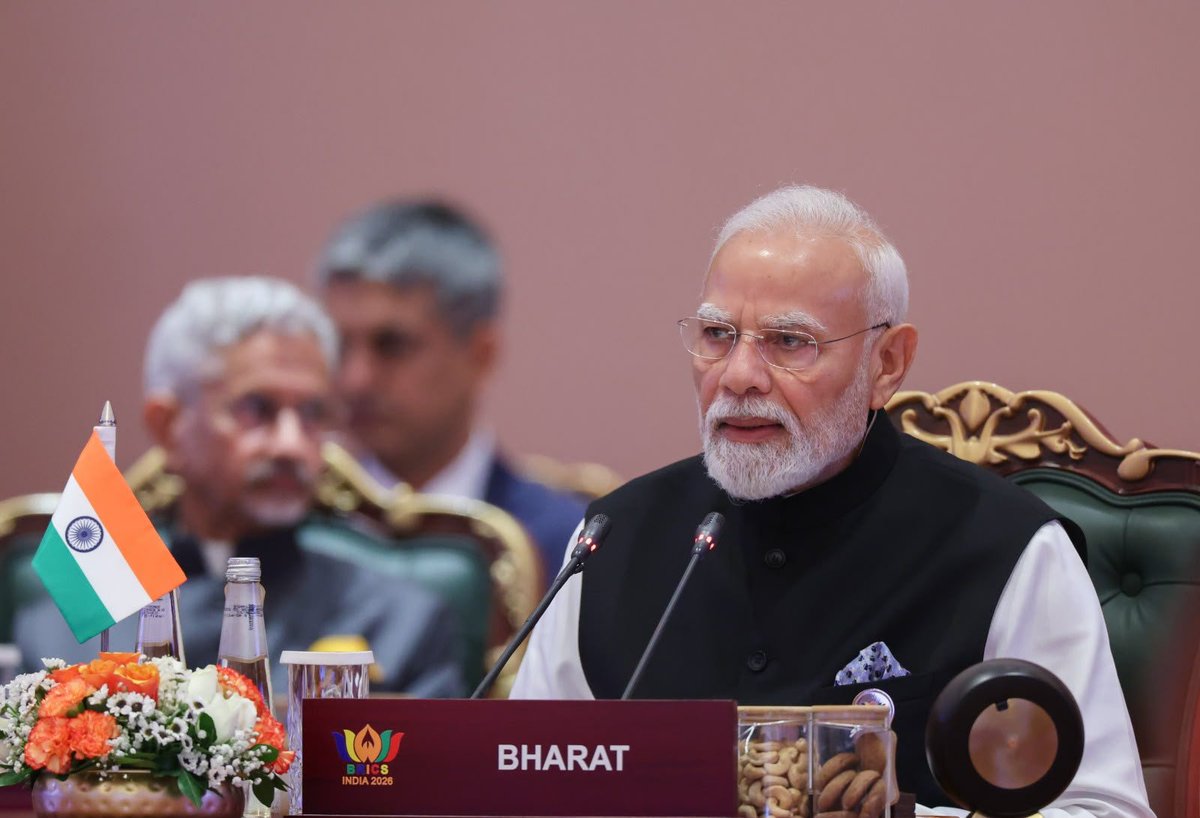
Modi Calls for BRICS Reforms and Stronger Global South Voice
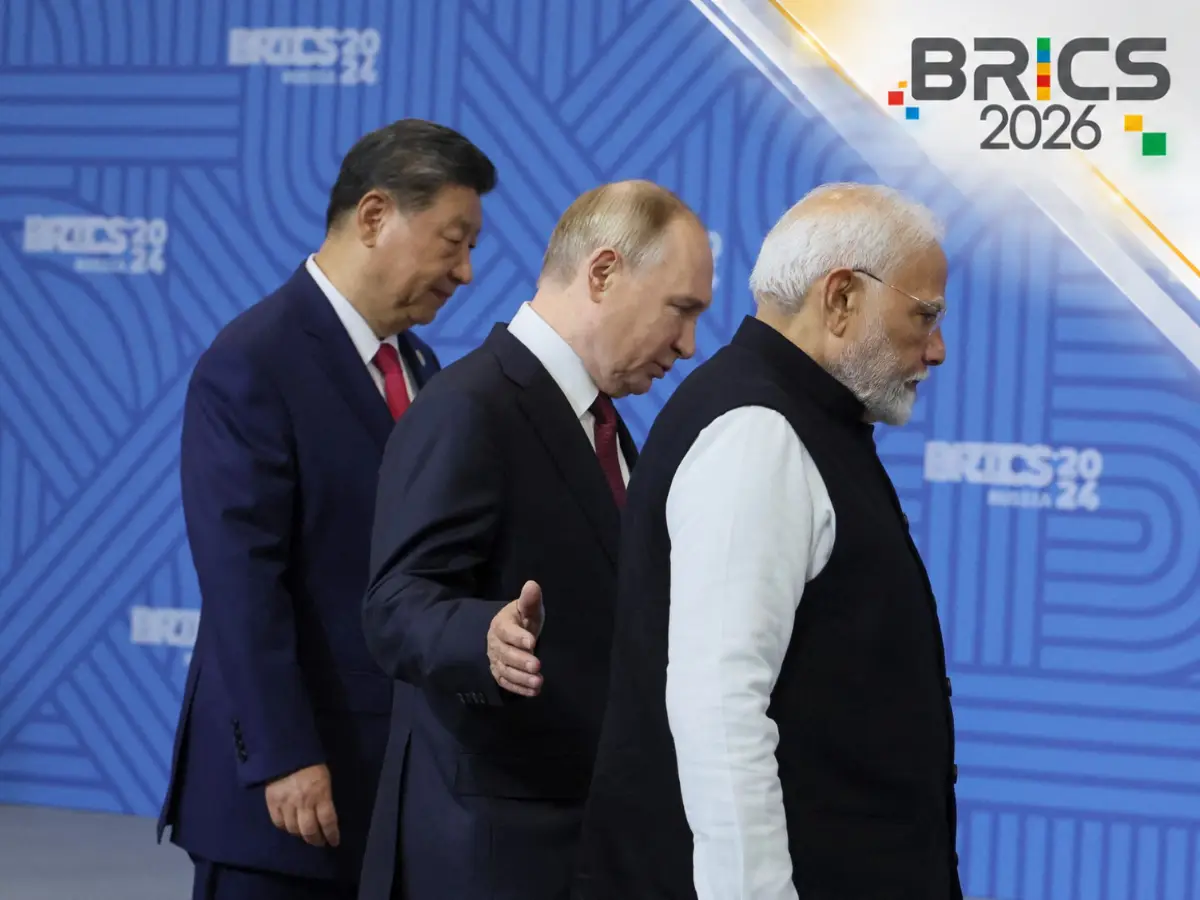
India Tests Global South Leadership Through BRICS and G20
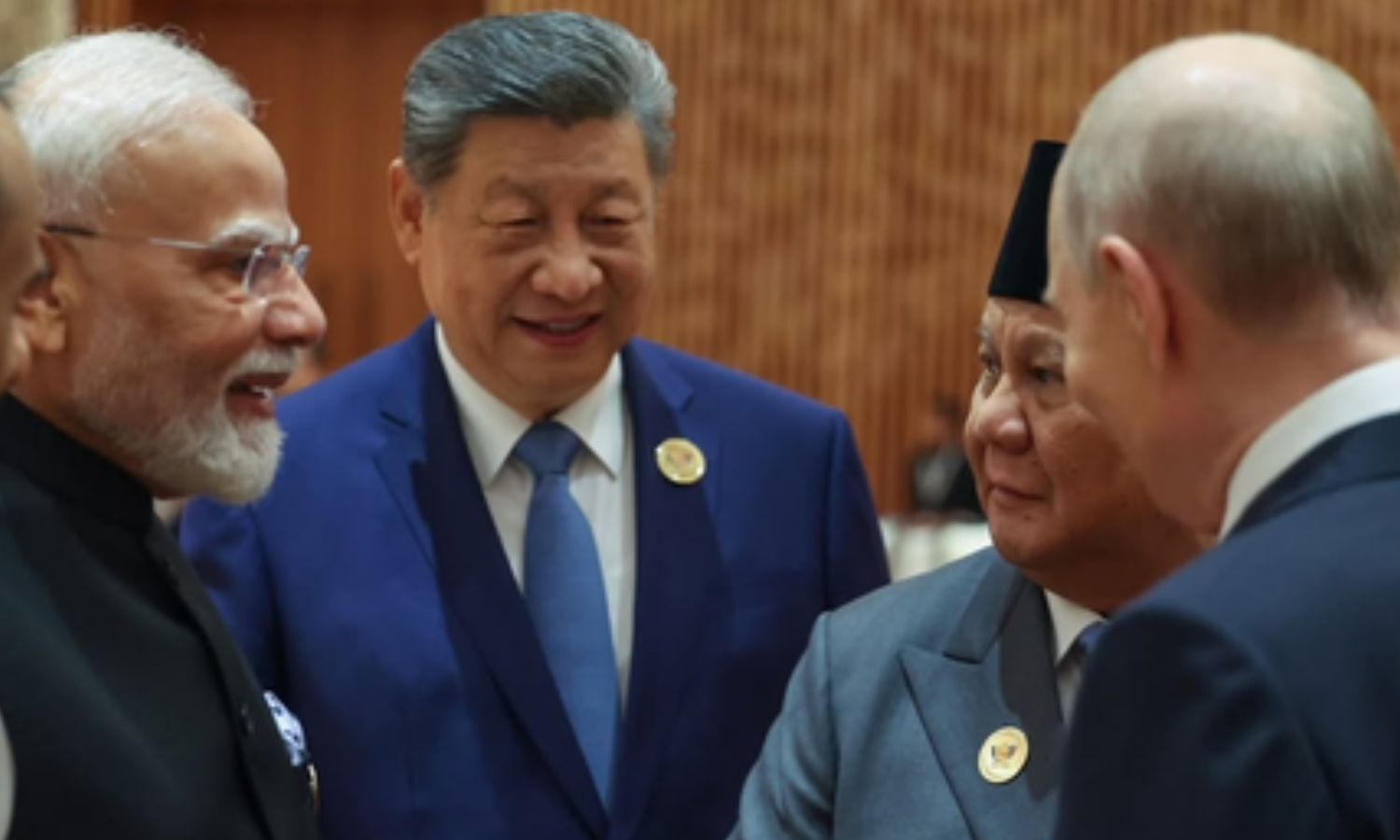
BRICS Summit Adopts New Delhi Declaration, Modi Urges Reform
Congress Questions BRICS Declaration Over Border, Terrorism Omissions
Xi Jinping Unveils AI and Trade Plans for Greater BRICS

BRICS Summit Delivers Declaration and Modi-Xi Confidence-Building Meeting
Dipke Mocks Yadav Government Over Balaghat Child Deaths

BRICS Summit Features Modi, Xi and Putin in Key Moments