53 mins ago
Maharashtra Ethanol Plants Face Viability Risks Amid Feedstock Restrictions
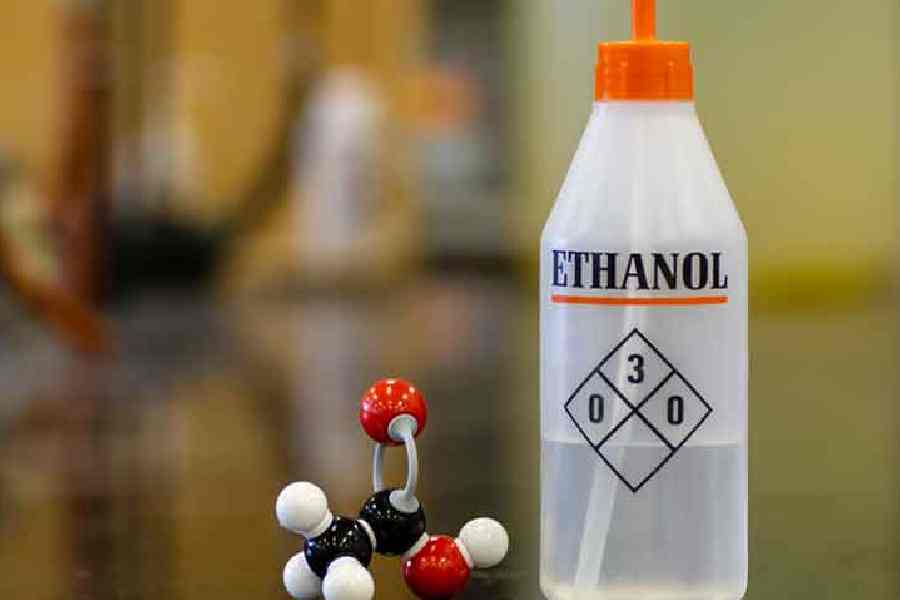
Rajesh Tope is worried about ethanol factories in Maharashtra.
These factories use materials from sugar production to make fuel.
If they cannot use enough sugar juice or B-heavy molasses, they may produce less ethanol.
However, their salaries, repairs, insurance and loan payments would still continue.
This could make each litre of ethanol more expensive.
Maharashtra has many distilleries and has invested heavily in them.
The national government wants to use more ethanol in petrol, including through flex-fuel vehicles.
Tope says factories should be allowed to use different raw materials and make useful products from their waste.
He wants Maharashtra to protect sugar supplies, ethanol blending and the financial health of its distilleries.

Rajesh Tope warned that feedstock restrictions could threaten the financial viability of Maharashtra’s sugar-based ethanol distilleries.
Maharashtra has about 179 operational distilleries, including 143 sugar- or molasses-based and 36 grain-based units.
Sugar industry-based distilleries have annual capacity of about 3.8 billion litres, while grain-based units can produce 1.04 billion litres.
Tope said lower production alongside continuing fixed costs could raise ethanol costs and worsen cash flow for indebted sugar factories.
He proposed dual-feed distilleries, expanded grain ethanol production and greater value addition from by-products such as biogas and maize oil.
- Who
- Former Maharashtra minister Rajesh Tope raised concerns about sugar-based ethanol distilleries; the Union government is pursuing higher ethanol use.
- What
- Potential restrictions on direct sugarcane juice and B-heavy molasses could reduce ethanol production and threaten distillery viability.
- Where
- Maharashtra, India.
- When
- The concerns were raised on Monday, ahead of the 2026-27 season.
- Why
- Reduced access to feedstock could lower output while fixed operating costs and bank repayments continue.
Industry Viability Concerns
Higher Blending and Diversification
Feedstock restrictions
Industry Viability Concerns
Rajesh Tope said limiting direct sugarcane juice and B-heavy molasses could leave distilleries short of raw material, reduce output and make loan repayment more difficult.
Higher Blending and Diversification
The government is examining ethanol use beyond the current 20 per cent blending level, including through flex-fuel vehicles, while encouraging the industry to find additional uses for surplus capacity.
Managing excess capacity
Industry Viability Concerns
Tope argued that existing sugar-based investments need protection and proposed converting distilleries to dual-feed systems using sugar-based materials and grain.
Higher Blending and Diversification
Government adviser Tarun Kapoor said ethanol producers should diversify into compressed biogas and other value-added by-products to use capacity more fully.
Sugar and ethanol priorities
Industry Viability Concerns
Tope said Maharashtra must simultaneously maintain sugar supplies and prices, provide enough ethanol for the blending programme and protect distillery investments.
Higher Blending and Diversification
The government says ethanol blending supports energy security, farmers and reduced exposure to global crude-price fluctuations.
Key facts
- Operational distilleries
- Maharashtra has around 179 operational distilleries: 143 sugar- or molasses-based and 36 grain-based.
- Sugar-based investment
- Investment in Maharashtra’s sugar industry-based distilleries is estimated at Rs 16,000-20,000 crore.
- Sugar-based capacity
- Sugar industry-based distilleries have combined annual ethanol capacity of around 3.8 billion litres.
- Grain-based capacity
- Grain-based distilleries have annual ethanol capacity of around 1.04 billion litres.
- Policy target
- The Ethanol Blended Petrol Programme currently targets 20 per cent ethanol blending.
- Proposed adaptations
- Tope suggested dual-feed systems, more grain ethanol and value addition through products including distillers dried grains with solubles, maize oil, carbon dioxide and biogas.
Quotes
Rajesh Tope
Former Maharashtra minister commenting on the financial impact of feedstock restrictions on ethanol distilleries
“Production may fall if the industry is forced to depend largely on C-heavy molasses. However, salaries, maintenance expenses, insurance, environmental compliance costs and bank instalments will continue.”
 telegraphindia.com
Sources
Related news

India’s Ethanol Push Shifts From Sugarcane Toward Grain Feedstocks

India's Sugar Sector Faces a Testing 2026-27 Season
India's Sugar Stocks Surge Amid Debate Over Ethanol's Role

Policy Delays, Not Ethanol, Drive India’s Sugar Price Rise

India’s Sugar Prices Surge as Demand, Weather and Speculation Weigh

Experts Link India’s Sugar Price Rise to Lower Cane Output
Maharashtra Deputy CM Says Hindi Complements Regional Languages

Nine Recipes for Lord Ganesha During Ganesh Chaturthi
Fadnavis Praises Modi’s Hindi and Regional Language Commitment
Amit Shah Highlights Hindi’s Role in India’s National Integration