

1 week ago
India’s UPI Policy Keeps Consumers Free as MDR Rules Change

UPI is a digital payment system used by many people in India.
The government originally kept many UPI payments free to encourage people and small shops to use them.
A proposed law change could allow some digital-payment charges in the future.
Regular users would still not have to pay for UPI.
Transfers between two people would remain free.
Some large shops or expensive purchases might possibly face a small fee.
The article says this fee could be much lower than card-payment fees.
The final rules have not yet been decided.

The Modi government’s zero-MDR policy helped expand UPI among small merchants and hundreds of millions of users.
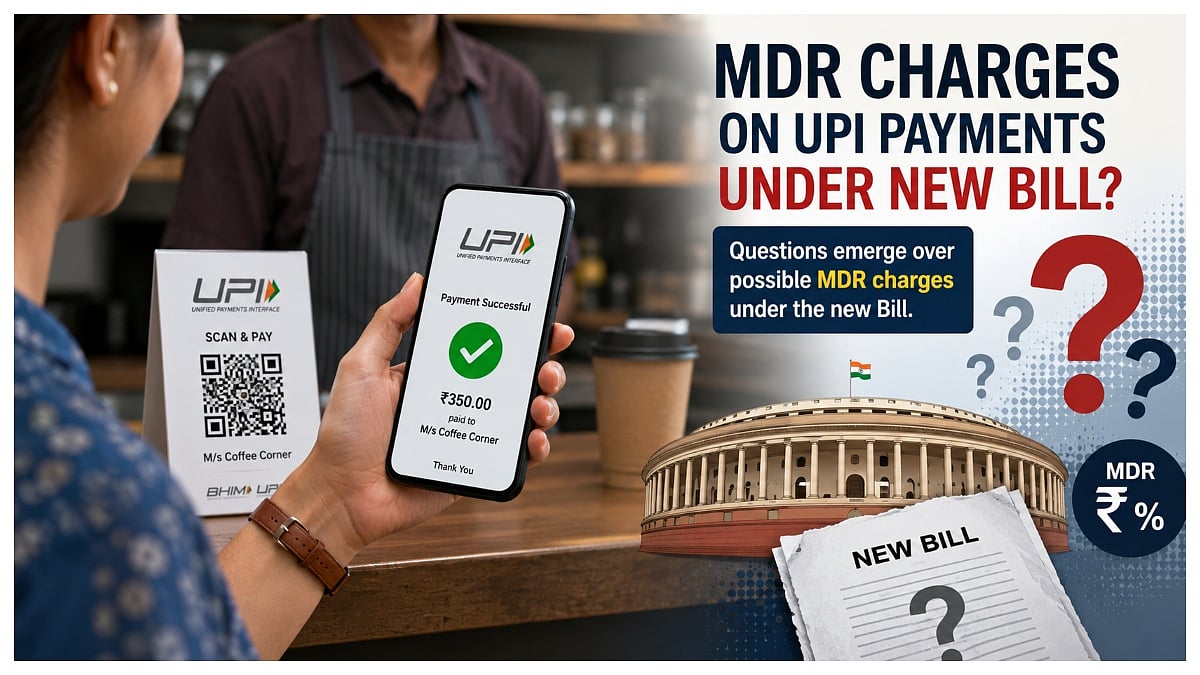
A proposed August 2026 amendment would let the Central government notify electronic payment modes that may attract charges.
Consumers and users would not be charged for using UPI, while person-to-person transfers would remain free.
Any future MDR would likely target limited merchant transactions, especially large or higher-value payments above Rs 2,000.
Potential MDR rates are speculated at 0.2–0.3%, with final decisions expected after the legislative process and UPI committee review.
- Who
- The Modi government, UPI users, merchants, and the NPCI-led UPI and Services Steering Committee.
- What
- The Taxation and Other Laws (Amendment) Bill, 2026, would amend Section 10A of the Payment and Settlement Systems Act, 2007, potentially allowing limited merchant charges on some electronic payments.
- Where
- India.
- When
- The bill was introduced in August 2026; final decisions are expected after the legislative process.
- Why
- The amendment would give the Central government authority to notify which electronic payment modes may attract charges, while keeping consumer UPI use and person-to-person transfers free.
Key facts
- Policy focus
- UPI was treated as a public good during its initial scaling phase through a zero-MDR policy.
- Consumer charges
- End users and consumers would not be charged for using UPI.
- P2P transfers
- Person-to-person UPI transfers would remain completely free.
- Possible affected transactions
- Any future MDR would likely apply only to a limited set of merchant transactions, particularly large merchants and higher-value payments.
- Example threshold
- Potential charges could apply to payments above Rs 2,000.
- Speculated rate
- Industry speculation cited a possible MDR of 0.2–0.3%, if charges are introduced.
- Decision process
- Final decisions would involve the NPCI-led UPI and Services Steering Committee after the legislative process.
Sources
Related news
UPI Remains Free for Users, Nominal Merchant Fee Possible: Govt
Lok Sabha Passes Bill Enabling Future UPI MDR, Sitharaman Clarifies
Keep UPI Free by Funding It From Savings
UPI remains free for users, some merchants face nominal charges
Rajya Sabha passes bill to allow MDR on UPI, RuPay
UPI Payments Remain Free as New Bill Explains MDR
India Plans Agentic AI Payments Through Popular UPI Network

India’s Banking Summit Maps AI’s Responsible Financial Frontier

UPI Transactions Hit Record 24.51 Billion in August
UPI Hits Record August Volume as Festive Demand Fuels Growth

UPI Partnership Lets Indian Travellers Pay Across Uzbekistan
