3 hrs ago
Oil Tops $100 as Hormuz Conflict Deepens Global Energy Fears

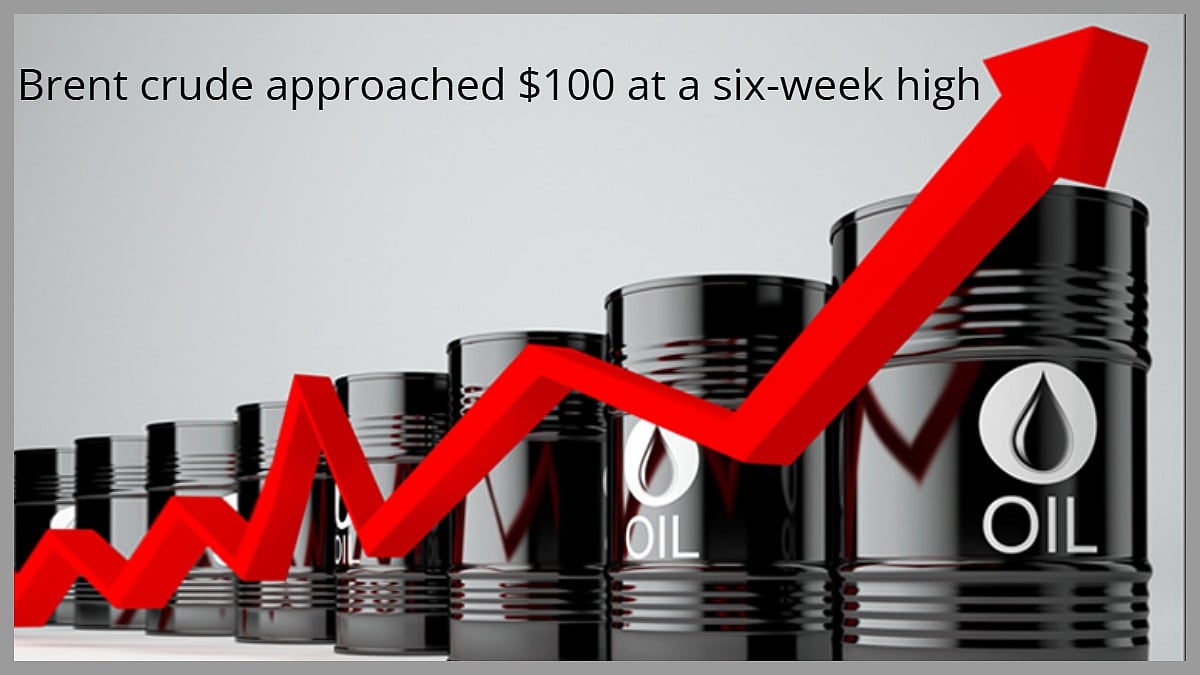
Oil prices have risen above $100 because fighting involving the United States and Iran is disrupting an important shipping route.
That route is the Strait of Hormuz.
About one-fifth of the world’s seaborne petroleum trade normally passes through it.
Ships are now taking longer routes, and insurers consider the area very risky.
This makes it harder to move oil around the world.
The US Energy Information Administration says millions of barrels of oil per day could remain unavailable through the end of the year.
Higher fuel costs could also make many other goods more expensive.
Iran says its attacks were defensive and followed US strikes on Iranian vessels.
President Donald Trump says high energy prices may continue beyond the US midterm elections.

Brent crude rose above $100, while the Indian crude basket reached $109, a four-month high.
Reported US strikes on Iranian vessels were followed by retaliatory missile attacks from Tehran.
The Strait of Hormuz is handling far less commercial traffic than normal, disrupting global oil shipments.
The US Energy Information Administration warned that millions of barrels per day could remain shut in through year-end.
President Donald Trump said elevated energy prices may persist beyond the US midterm elections.
- Who
- The United States, Iran, President Donald Trump, shipping operators, insurers, energy analysts, and federal agencies are involved or affected.
- What
- Oil prices climbed above $100 as military clashes and reduced shipping through the Strait of Hormuz disrupted global energy markets.
- Where
- The clashes and shipping disruption involve the Strait of Hormuz, the Persian Gulf, the Sea of Oman, and the wider Gulf region.
- When
- The latest price spike occurred after reported US strikes; the conflict has lasted seven months, according to the article.
- Why
- Reported military attacks and retaliatory strikes have sharply reduced tanker traffic through a major oil corridor, raising concerns about prolonged supply shortages and inflation.
Iran's Position
US Administration Position
Military escalation and responsibility
Iran's Position
Iran condemned the reported US strikes on commercial vessels as naval blockade and economic warfare, and said its retaliatory response was defensive and justified under international law.
US Administration Position
The article reports that US military strikes targeted Iranian vessels and that the ongoing US-Israel campaign against Iran is restricting Gulf oil movement; it does not provide a detailed US legal justification.
Expected duration and energy prices
Iran's Position
Tehran warned that continued aggression threatens regional and global stability.
US Administration Position
Donald Trump said energy prices driven up by the conflict are unlikely to fall before the US midterm elections, while predicting that Tehran will relent after the elections.
Key facts
- Brent crude
- Rose above $100 amid the escalation.
- Indian crude basket
- Reached $109, a four-month high.
- Strait of Hormuz
- Normally handles roughly one-fifth of the world's seaborne petroleum trade.
- Potential supply disruption
- Millions of barrels of oil per day could remain shut in through the end of the year.
- Shipping conditions
- Commercial traffic remains a fraction of normal capacity, with vessels taking long diversions.
- US midterm elections
- Donald Trump said elevated energy prices may persist beyond the elections.
Quotes

Donald Trump
US president commenting on the expected duration of elevated oil prices
“Right after the election, oil prices are going to be tumbling downward,” Trump said. “I think it’s going to take a little bit longer than the midterm.”
 businesstoday.in
Sources
Related news
Oil Prices Rise as US-Iran Strikes Threaten Hormuz Supplies

Oil Prices Surge Above $90 as US-Iran Tensions Escalate

Oil Surges Above $90 as Hormuz Risks Intensify
Oil Nears $100 as Fresh US-Iran Strikes Revive Hormuz Fears
Brent tops $91 as Trump rules out extending Iran ceasefire
Oil Prices Near USD 100 as Iran-US Tensions Disrupt Supply

ONGC Shares Rise Over 2% as Crude Prices Surge
Trump Promises $5,000 Dividend If Republicans Win Congress

Three catalysts could drive Reliance Industries stock rerating soon
Trump Promises Lower Prices as Iran Tensions Drive Oil Higher

Oil Prices Top $100 as Strait of Hormuz Crisis Escalates