2 hrs ago
Living With ADHD: From Years of Self-Blame to Understanding
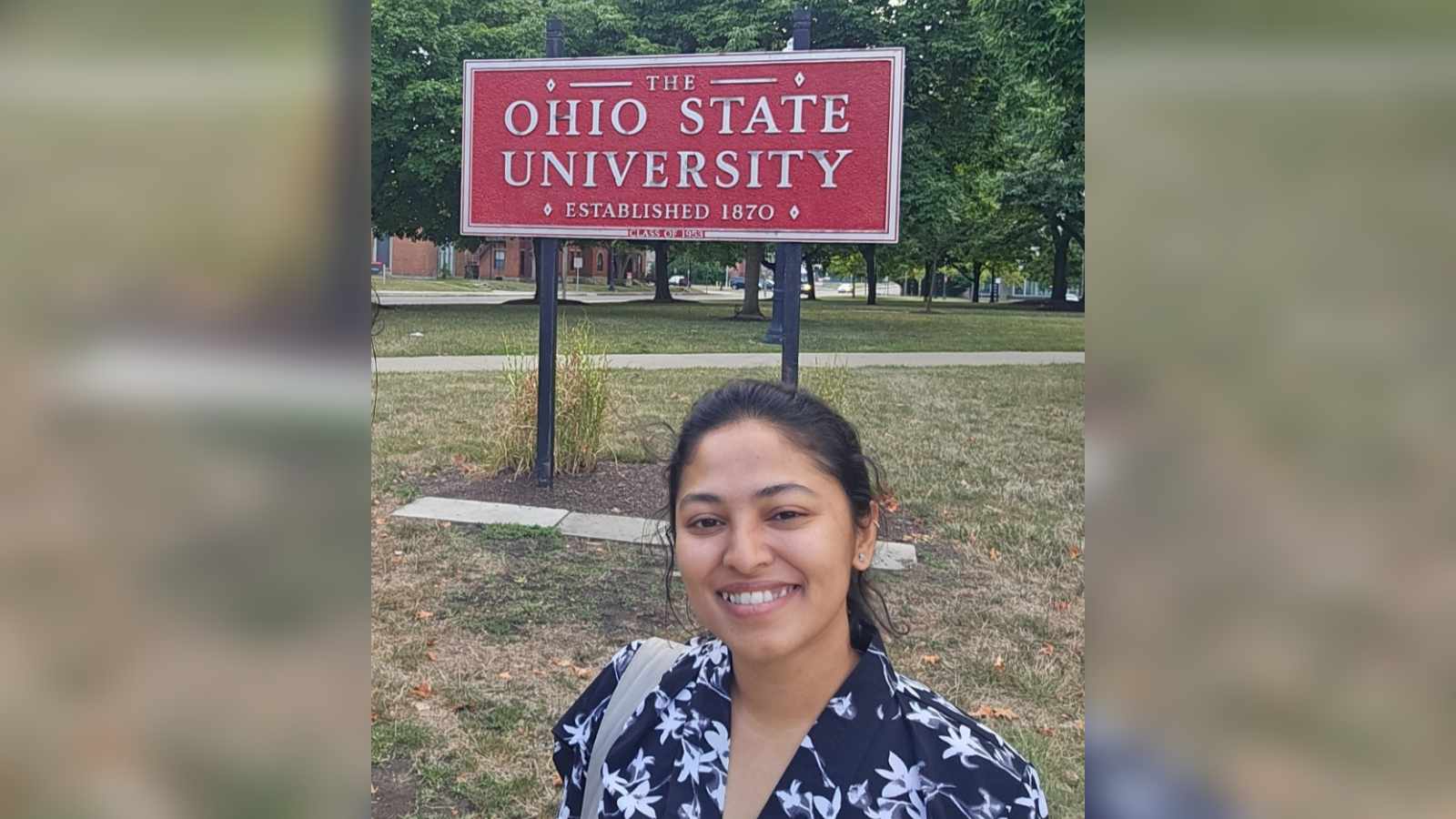
Ankita Das spent many years thinking she was lazy because she often forgot things and struggled to organise her work.
These difficulties followed her from childhood through school, research and employment.
At age 33, she learned that ADHD could explain her experiences.
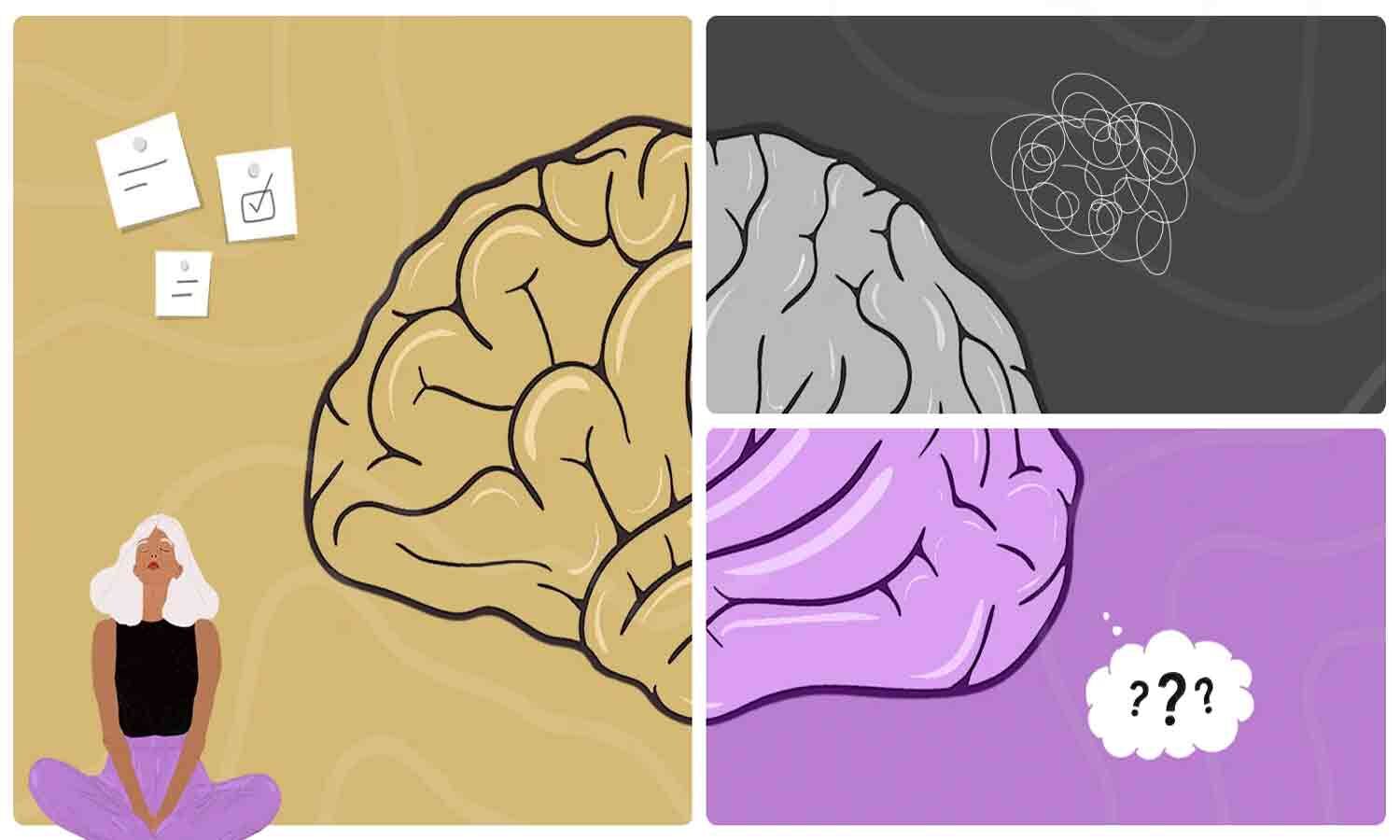
ADHD can make it harder for some people to focus, get started, remember things and stay organised.
It is not simply a choice to be careless or undisciplined.
Doctors look for a lasting pattern of difficulties in more than one part of a person’s life.
There is no blood test or brain scan that can diagnose ADHD.
ADHD may be missed in girls when their main difficulty is inattention.
Das now combines professional treatment with strategies that help her work with her brain instead of blaming herself.

Ankita Das was diagnosed with ADHD at age 33 after decades of forgetfulness, disorganisation and difficulty starting tasks.
Her symptoms affected school, research and work, eventually contributing to job loss over what management called careless mistakes.
Experts say ADHD involves persistent inattention, hyperactivity or impulsivity across settings and is not simply laziness or poor discipline.
ADHD can be missed in girls because they may mainly show inattentiveness, and there is no blood test or brain scan to confirm it.
Das now uses medical care, counselling, medication and personal strategies while encouraging greater awareness instead of judgment.
- Who
- Ankita Das, along with developmental paediatrician Dr Archana Kadam and researcher Dr Nina Volkow, are featured in the report.
- What
- Das was diagnosed with ADHD at 33 after lifelong difficulties with attention, organisation, forgetfulness and task initiation.
- Where
- The experiences described span Das’s work in Long Beach and San Diego, her education and research in India and the United States, and her current life in Pune.
- When
- The difficulties began in Das’s childhood; she received her diagnosis at age 33 after losing a job the previous year.
- Why
- The diagnosis helped explain persistent symptoms that had been mistaken for laziness or carelessness and led Das to seek treatment and coping strategies.
Key facts
- Diagnosis age
- Ankita Das was diagnosed with ADHD at 33.
- Symptoms described
- Forgetfulness, rushing, difficulty getting started, disorganisation, distractibility and trouble sustaining effort.
- Impact
- Her difficulties affected education, research, employment and everyday tasks.
- Diagnostic basis
- Doctors assess persistent symptoms that cause difficulties and occur across more than one setting.
- Diagnostic testing
- There is no blood test or brain scan that can confirm ADHD.
- Possible explanation
- Dopamine signalling and reward-processing differences may contribute to difficulties with motivation and sustained attention.
- Current support
- Das consults psychiatrists and counsellors, takes non-stimulant medication and uses personal recovery strategies.
Quotes
Ankita Das
Ankita Das is a field application scientist diagnosed with ADHD at age 33.
“There are some students across India who are currently sitting in classrooms and told they are simply lazy or undisciplined. If we can replace judgment with awareness, we can save the next generation from decades of silent self-blame.”
 indianexpress.com
“I knew in my heart I am not lazy and this was not a lack of willingness. I wanted to be successful and wanted to execute all the tasks I had planned in a timely manner. But something stopped me and I could not explain what it was.”
indianexpress.com
Sources
Related news
Why Adult ADHD Symptoms Often Go Unnoticed in Childhood

Self-Help Book Explains Why ADHD Plans Keep Collapsing

How Families Can Support Parents’ Brain Health and Memory

Lara Dutta Highlights The Hidden Burden Of Alzheimer's Care

India’s Dementia Burden Could Nearly Double by 2036