1 hr ago
Menopause Brain Fog: What’s Normal and When to Seek Help
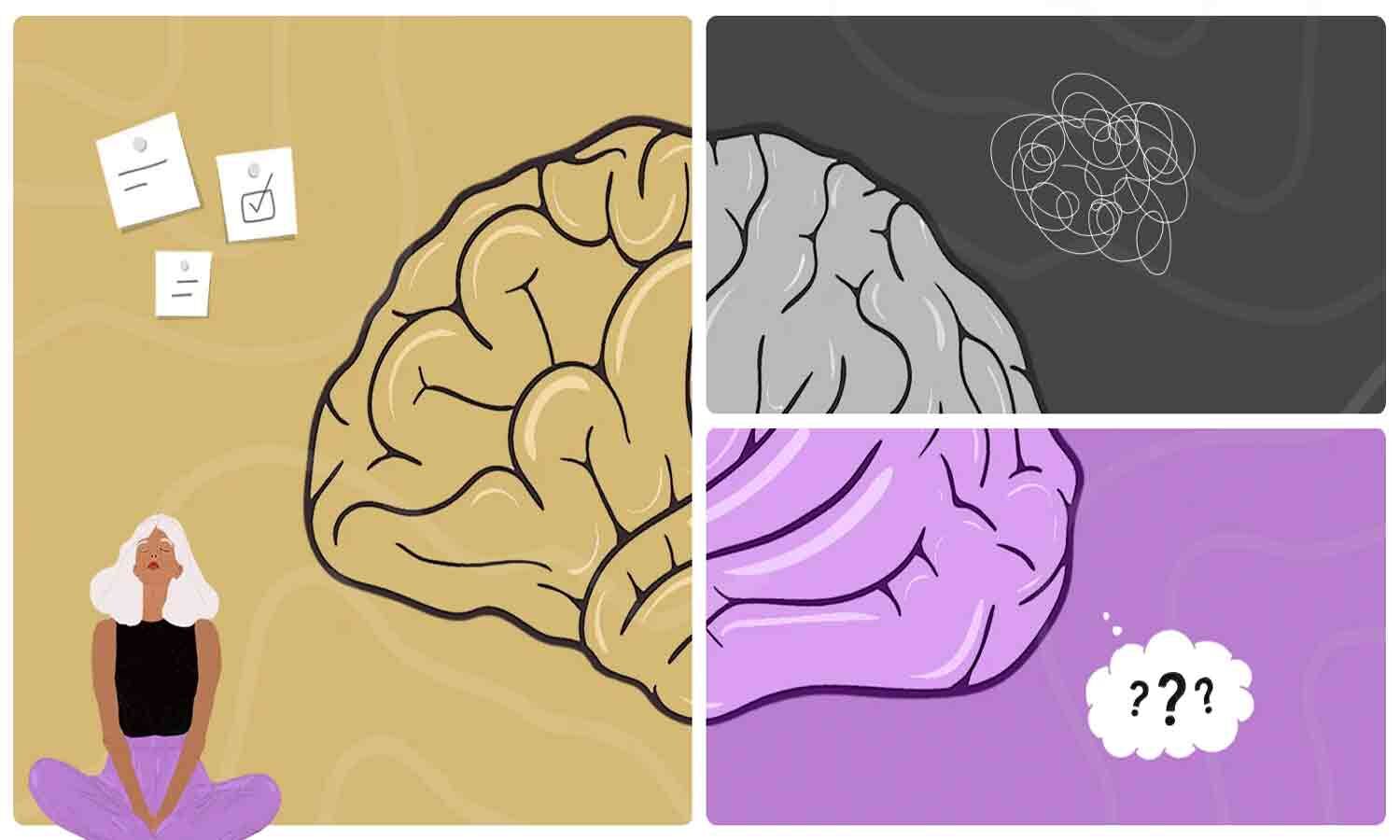
Some women notice forgetfulness or trouble concentrating during menopause.
They may call this feeling brain fog.
Hormone changes, poor sleep, stress, and mood changes can make the brain feel less focused.
Forgetting keys once in a while or needing extra time to remember a name is usually not a sign of a serious illness.
However, repeated confusion or difficulty doing familiar tasks should not simply be blamed on menopause.
Other health problems, medicines, or sleep difficulties may also cause these symptoms.
A healthcare professional can help find possible causes.
Sleeping well, exercising, eating balanced meals, drinking enough water, and managing stress may help.
Lists, reminders, and doing one task at a time can also make daily activities easier.

Brain fog during menopause can involve difficulty concentrating, paying attention, or recalling information.
Hormonal changes, poor sleep, hot flashes, mood changes, and stress may contribute to these symptoms.
Occasional forgetfulness, losing a train of thought, or taking longer to recall a name can occur at any age.
Repeated difficulty with familiar tasks, confusion, or problems managing daily responsibilities warrant medical attention.
Thyroid disorders, anaemia, vitamin deficiencies, medications, anxiety, depression, and sleep disorders can also affect cognition.
- Who
- Women experiencing cognitive changes during the menopausal transition, with guidance from neurologist Dr Neha Pandita.
- What
- An explanation of menopause-related brain fog, possible contributing factors, and signs that medical advice may be needed.
- Where
- The guidance is presented by Fortis Hospital, Noida.
- When
- During the menopausal transition and midlife; persistent or worsening symptoms should be assessed.
- Why
- Sleep disruption, stress, hormonal changes, and other health conditions may affect concentration and memory.
Key facts
- Common symptoms
- Difficulty concentrating, losing a train of thought, and taking longer to recall names or information.
- Possible contributors
- Hormonal changes, poor sleep, hot flashes, mood changes, stress, and fatigue.
- Seek medical advice when
- Symptoms persist, worsen, interfere with work or relationships, or cause confusion and difficulty with familiar tasks.
- Other possible causes
- Thyroid disorders, anaemia, vitamin deficiencies, medications, anxiety, depression, and sleep disorders.
- Helpful habits
- Adequate sleep, regular physical activity, balanced nutrition, hydration, and stress management.
- Practical strategies
- Reduce multitasking, use lists and reminders, and break larger tasks into smaller steps.
Quotes
Women experiencing the menopausal transition
Representative concern reported by women experiencing menopausal brain fog
“I know the word, but I just can't seem to remember it.”
 thehansindia.com
“I walked into the room and forgot why I was there.”
thehansindia.com
Sources
Related news

Women’s Hormonal and Metabolic Health Changes Across Aging

Why Diabetes Exhaustion Can Affect Women Beyond Blood Sugar

Decision Fatigue May Drain Mental Energy And Disrupt Concentration

How Families Can Support Parents’ Brain Health and Memory

Bhagyashree Shares Her Perimenopause Struggles And Self-Care Lessons

Barapullah Phase 3 Corridor Set to Open September 29

NCLAT Denies GNIDA, NOIDA Secured Creditor Status

Dry Weather Forecast as Delhi Air Quality Worsens

Noida Sector 108 Draws Developers After Rs 1,850-Crore Bid