2 hrs ago
Iran Considers NPT Exit, Says Uranium Enrichment Will Continue
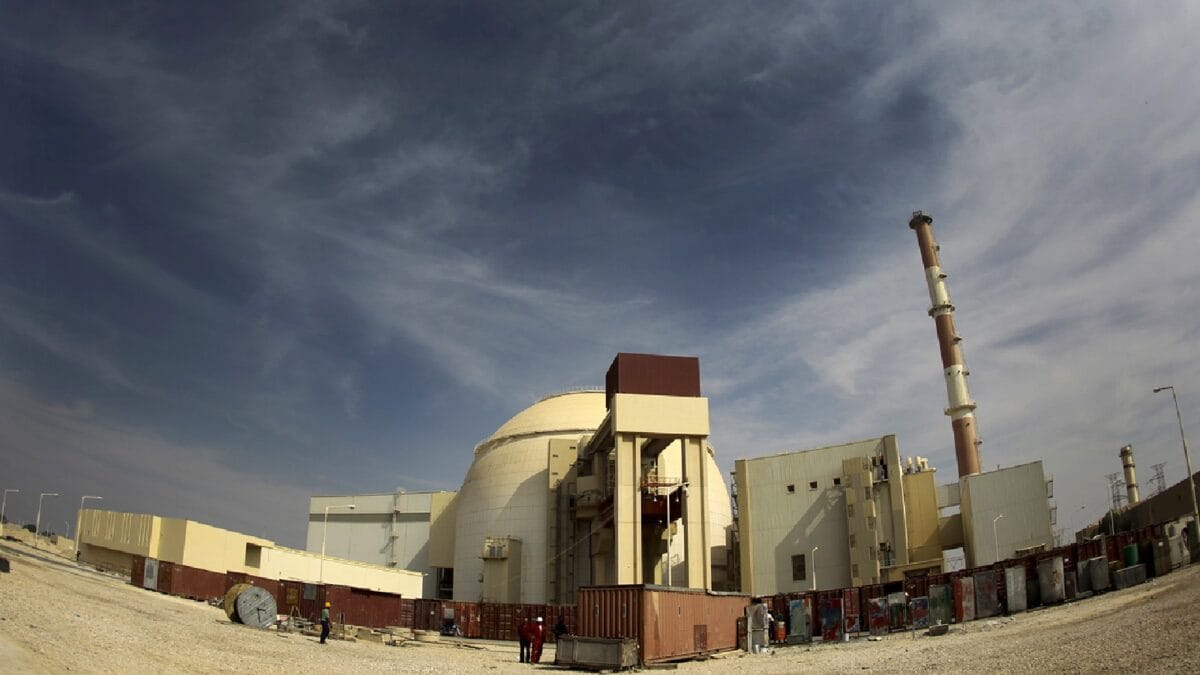
An Iranian lawmaker says Parliament may discuss whether Iran should leave a treaty that limits the spread of nuclear weapons.
He also says Iran will keep enriching uranium, including under a law that allows enrichment to 60%.
Parliament has not formally decided to leave the treaty.
Leaving it would not automatically mean Iran had chosen to make a nuclear weapon.
Iran says its nuclear program is not aimed at building one, while the United States and Israel say their military campaign is partly meant to prevent Iran from getting one.
The two sides are also in conflict over the Strait of Hormuz, which Iran says it will not reopen until the United States meets certain conditions.
The United States is reported to be sending more military forces to the region.
These developments are adding to tensions between Iran, the United States and Israel.

Iranian lawmaker Alireza Salimi said Parliament would consider a possible withdrawal from the Nuclear Non-Proliferation Treaty.
Salimi said Iran would not abandon uranium enrichment and cited a law covering enrichment to 60%.
The proposal has not become a formal parliamentary decision, and leaving the treaty would not itself mean Iran had decided to build a nuclear weapon.
Iran says it will keep the Strait of Hormuz closed until the United States meets conditions linked to a June interim agreement.
The article reports that the United States is deploying another carrier strike group and additional Marine Corps ships, with about 9,000 to 10,000 troops expected in the region by the end of November.
- Who
- Iranian lawmaker Alireza Salimi said Parliament would consider a possible NPT withdrawal; Iran, the United States and Israel are involved in the wider standoff.
- What
- Iran may consider leaving the Nuclear Non-Proliferation Treaty while continuing uranium enrichment.
- Where
- Iran and the wider Middle East; the Strait of Hormuz is a central point of the standoff.
- When
- Salimi's remarks were reported on October 4, 2026.
- Why
- The article links the remarks to heightened tensions over Iran's nuclear program and its confrontation with the United States and Israel.
Iran's position
United States and Israel's stated position
Iran's nuclear program
Iran's position
Iran says it is not pursuing a nuclear weapon and, through Salimi, says it will continue uranium enrichment.
United States and Israel's stated position
The United States and Israel say their military campaign is aimed in part at preventing Iran from acquiring nuclear weapons.
Possible NPT withdrawal
Iran's position
Salimi said Parliament would consider leaving the treaty, while emphasizing that Iran would not give up enrichment.
United States and Israel's stated position
The article describes an NPT withdrawal as a significant escalation in the nuclear standoff; it does not report an official response from the United States or Israel to this proposal.
Key facts
- Possible treaty action
- Iran's Parliament will consider a possible withdrawal from the Treaty on the Non-Proliferation of Nuclear Weapons (NPT).
- Parliamentary status
- The proposal has not become a formal parliamentary decision.
- Enrichment position
- Salimi said Iran would not abandon uranium enrichment and cited a law covering enrichment to 60%.
- Strait of Hormuz
- Iran says it will not reopen the strait until the United States meets conditions linked to the June interim agreement.
- Conflict start
- The article says the war began with US and Israeli strikes on Iran on February 28.
- Reported US deployment
- The Wall Street Journal reported that a third carrier strike group and additional Marine Corps ships are being deployed, adding roughly 9,000 to 10,000 troops.
- Expected arrival
- The additional forces are expected to arrive by the end of November.
Sources
Related news
Iran Signals Possible NPT Exit as Nuclear Tensions Escalate
Iran’s NPT Withdrawal Decision Hinges on Future US Actions

Iran Seeks June Ceasefire Revival, Offers Nuclear Concession Before Midterms
Iran Rejects Nuclear Concessions in Strait of Hormuz Proposal
Iranian President Rejects Nuclear Bomb Ambitions, Offers International Verification
Pezeshkian Says Iran Wants NPT-Based Nuclear Talks, Rejects Allegations
Iran Says Diplomacy Only Path as Trump Predicts War’s End
Iran Says No Military Solution as US Talks Stall
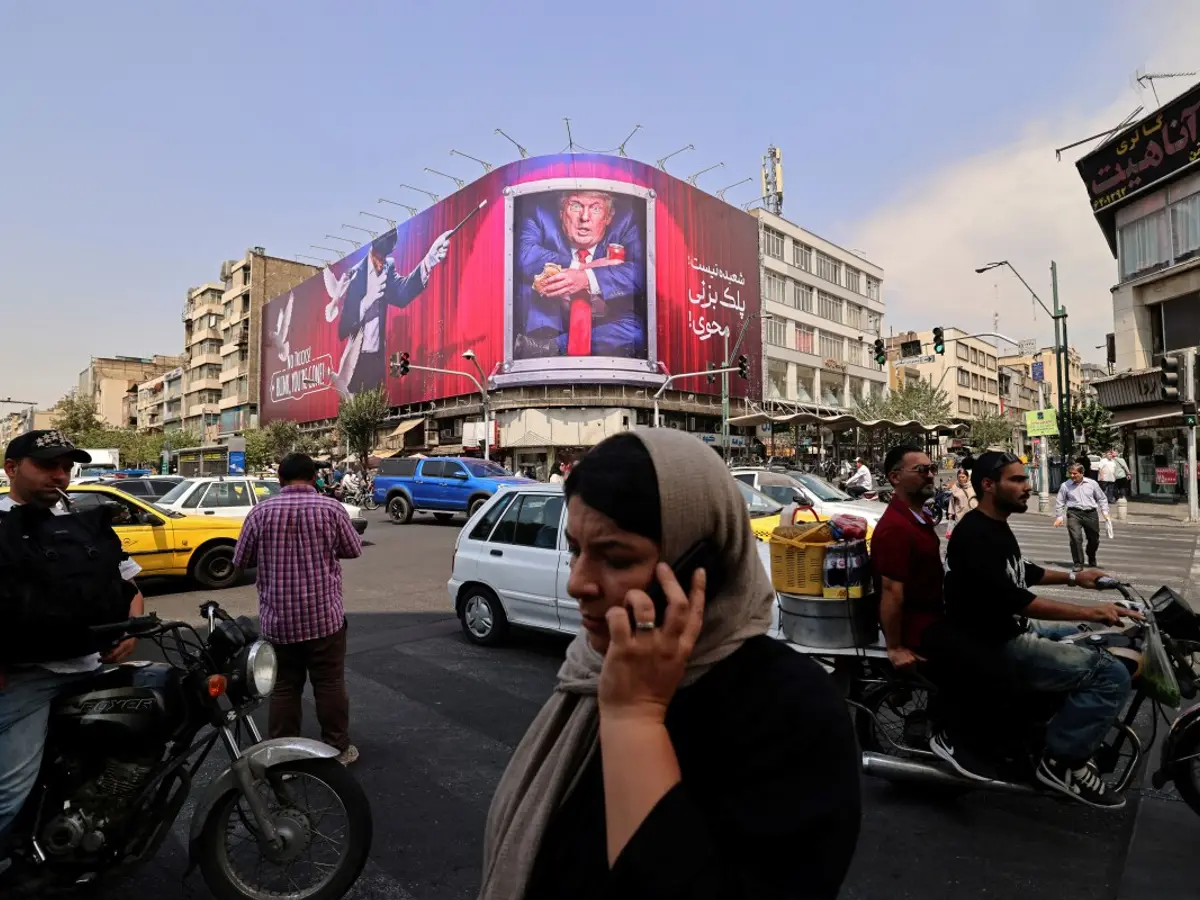
Iranian Billboards Mock Trump and Portray Military Victory

Port Unions Urge Seafarer Protections, Oppose Privatization