5 days ago
Kailash Mansarovar Bookings Surge After Yatra Resumption
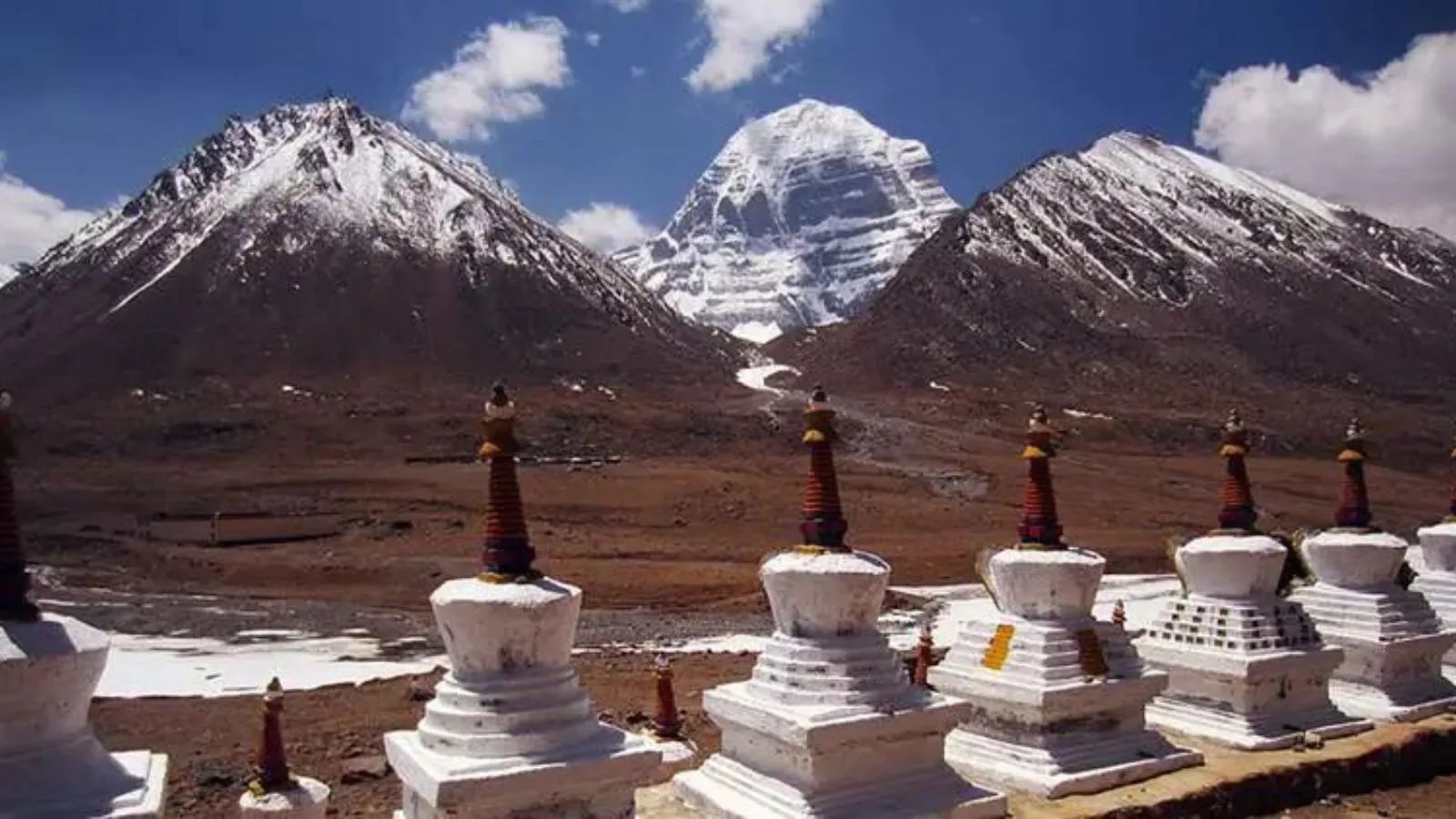
The Kailash Mansarovar Yatra is a difficult pilgrimage that takes Indian visitors to Mount Kailash and Mansarovar Lake in Tibet.
It stopped from 2020 to 2025 because of the Covid-19 pandemic and tensions between India and China.
The journey restarted in 2025 after the two countries began improving their relationship.
In 2026, many more people wanted to go.
The government increased its places from 750 to 1,000 pilgrims.
China also increased the number of Indian visitors allowed through Nepal.
Private travel companies said that bookings were especially high, including among young people and Indians living abroad.
Some travellers faced problems in Nepal because they did not have all the required permits and visas.
The trip is challenging because of high mountains, bad weather, medical risks and complicated border arrangements.

Private operators reported a sharp rise in Kailash Mansarovar Yatra bookings in 2026, including more than 1,000 Indian citizens living abroad.
The Ministry of External Affairs increased its government-run quota from 750 pilgrims in 2025 to 1,000 in 2026.
China raised the total quota for Indian passport holders using Nepal routes from 20,000 in 2025 to 24,000 in 2026.
Some privately organised travellers were stranded in Nepal after beginning their journeys without the required Chinese permits and visas.
The yatra resumed in 2025 after a five-year suspension linked to the Covid-19 pandemic and strained India-China relations.
- Who
- Indian pilgrims and experiential travellers, including Indian citizens living abroad; the Ministry of External Affairs and private tour operators were involved.
- What
- Bookings for the Kailash Mansarovar Yatra increased substantially in 2026 after the pilgrimage resumed in 2025.
- Where
- The pilgrimage reaches Mount Kailash and Mansarovar Lake in China’s Tibet Autonomous Region, with government routes through Uttarakhand and Sikkim and private routes through Nepal.
- When
- The yatra was suspended from 2020 through 2025, resumed in summer 2025, and saw increased bookings in 2026.
- Why
- Demand rose after the yatra resumed amid efforts by New Delhi and Beijing to repair bilateral ties, although the journey also has spiritual and experiential appeal.
Private Operators’ View
Government Caution
Demand for the pilgrimage
Private Operators’ View
A Kathmandu-based tour operator said 2026 had produced its highest bookings so far, with interest from pilgrims, young experiential travellers and more than 1,000 Indian citizens living abroad.
Government Caution
The Ministry of External Affairs’ 2026 government quota was only increased to 1,000, while its advisory highlighted problems faced by private-tour participants without the necessary documentation.
Travel arrangements
Private Operators’ View
Private operators offered routes through Nepal checkpoints such as Rasuwagadhi and Hilsa, and travellers signed up despite higher costs from inflation and increased service charges.
Government Caution
The Ministry of External Affairs stressed that travellers should obtain all required Chinese permits and visas before starting, after several citizens became stranded in Nepal.
Key facts
- Government quota
- The Ministry of External Affairs increased its quota from 750 pilgrims in 2025 to 1,000 in 2026.
- Nepal-route quota
- China announced a quota of 24,000 Indian passport holders through Nepal routes for 2026, up from 20,000 in 2025.
- 2025 participation
- Of 750 registered pilgrims in 2025, 688 participated and completed the journey, according to the Ministry of External Affairs.
- Government routes
- In 2025, 250 pilgrims were allocated to the Lipulekh route and 500 to the Nathu La route.
- Typical duration
- The journey generally lasts about three weeks, including acclimatisation, medical checks, border formalities and travel in Tibet.
- High-altitude sites
- Mount Kailash is about 6,638 metres above sea level, while Mansarovar Lake is about 4,590 metres high.
- Documentation warning
- On June 27, the Ministry of External Affairs advised travellers not to start unless they had the required permits and Chinese visas.
Quotes
A major tour operator based in Kathmandu
Kathmandu-based private operator arranging Kailash Mansarovar tours
“Despite rising costs owing to inflation, and increased fees and charges for allied services, this year saw maximum bookings so far”
 indianexpress.com

Ministry of External Affairs
India’s foreign ministry, which issued an advisory concerning travellers lacking required permits and visas
“The Ministry is in receipt of several requests for help and assistance from Indian citizens stuck in Nepal while undertaking Kailash Mansarovar Yatra without the required entry permit and visas for China, through tours organised by private operators.”
indianexpress.com
Sources
Related news
Nepal Floods Reveal Risks on Private Kailash Pilgrimage Routes
Nepal Floods Strand Kailash Pilgrims; Rasuwa Route Explained
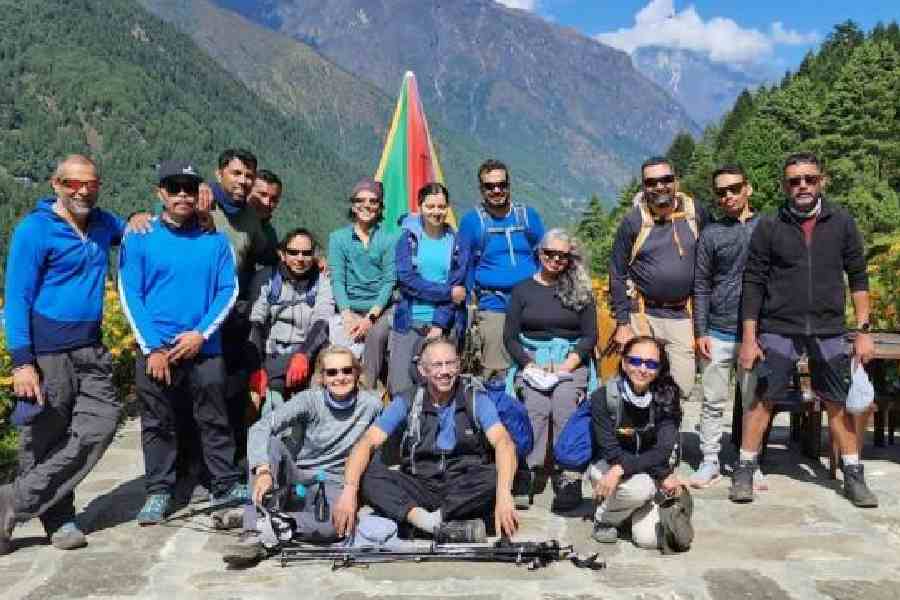
Nepal Floods Cancel Kailash Trips, Everest Treks Continue
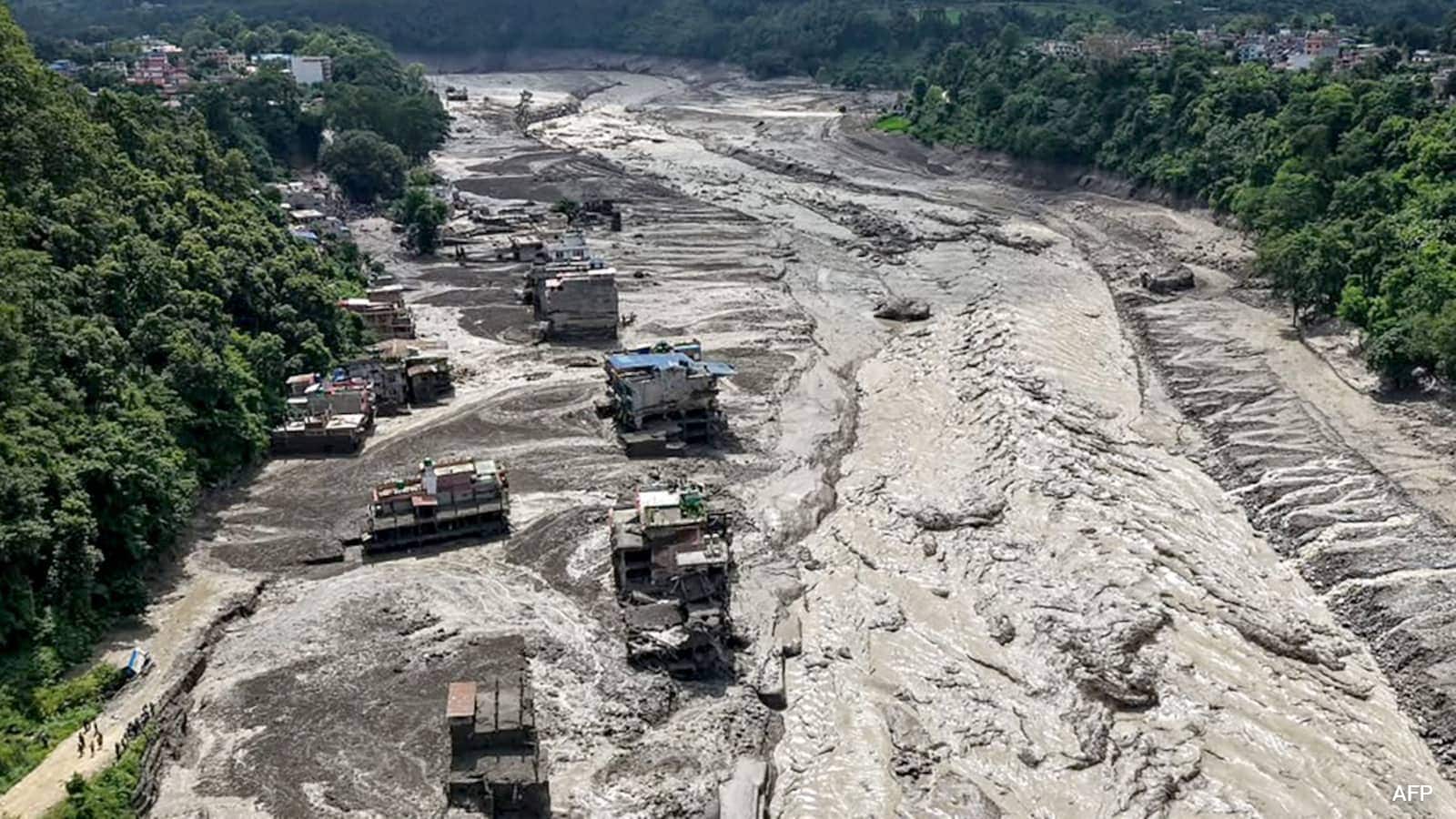
Nepal Flash Floods Highlight Risks of Kailash Mansarovar Yatra
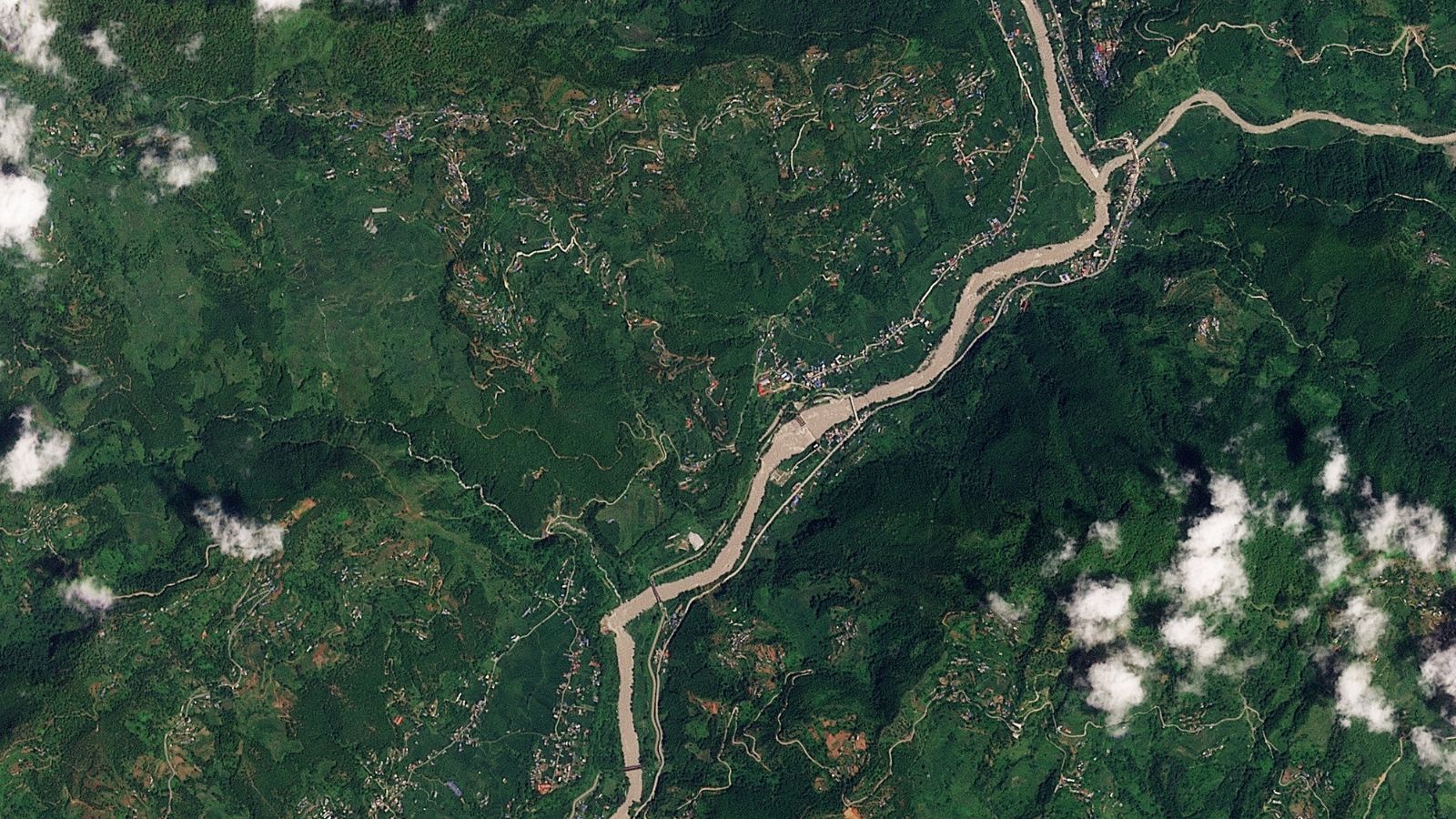
Kailash Pilgrimage Tests Faith Against Geography, Politics, and Physiology
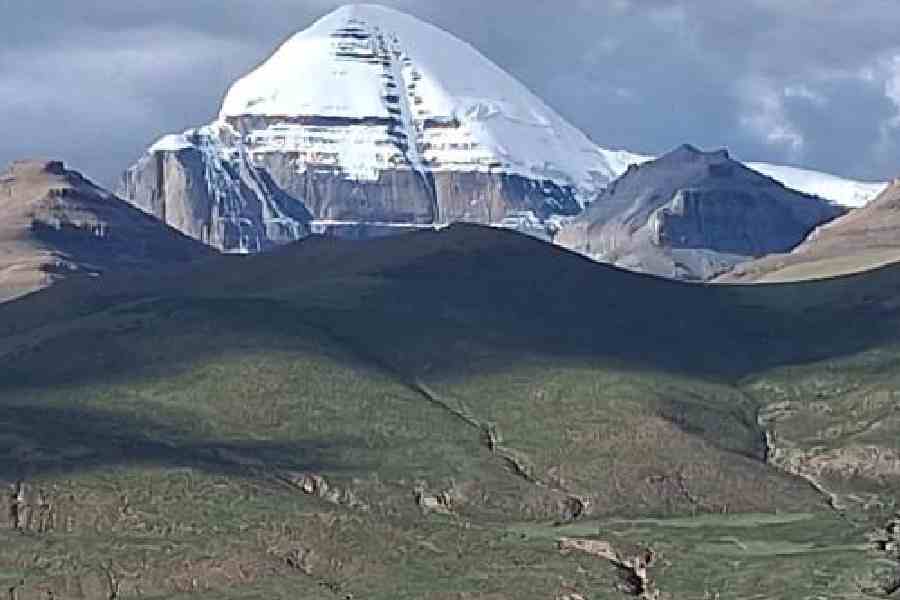
Mansarovar Yatra Faces Perils From Roads, Weather And Delays

Nepal Flood Death Toll Tops 1,200 as Climate Risks Rise
Bihar on Alert as Rivers Swell, Sone Barrage Gates Open
Satellite Radar May Strengthen Nepal's Flood Warning Systems
Nepal Plans New Landslide Warning System Along China Border

Nepal Thanks India as Glacial Disaster Rescue Efforts Continue