1 day ago
AI Bans Cannot Solve Reading’s Decline in Digital Society

Many students are finding reading harder, and international test results show that reading scores are falling.
Some leaders think artificial intelligence and social media are part of the problem.
New York City has banned students from using generative AI in classrooms through eighth grade.
The city will also teach older students how to think carefully about AI.
The article says this may help, but it will not solve everything.
It argues that society is changing from a world centered on books to one centered on screens, conversation, and fast digital communication.
People have experienced similar changes before, such as when writing replaced mostly spoken traditions.
Because technology is changing how people learn and communicate, schools may need to change too.
The article also says students should have more say in discussions about what kind of learning they need.

PISA results show that student reading performance continues to decline, prompting concern among education policymakers.
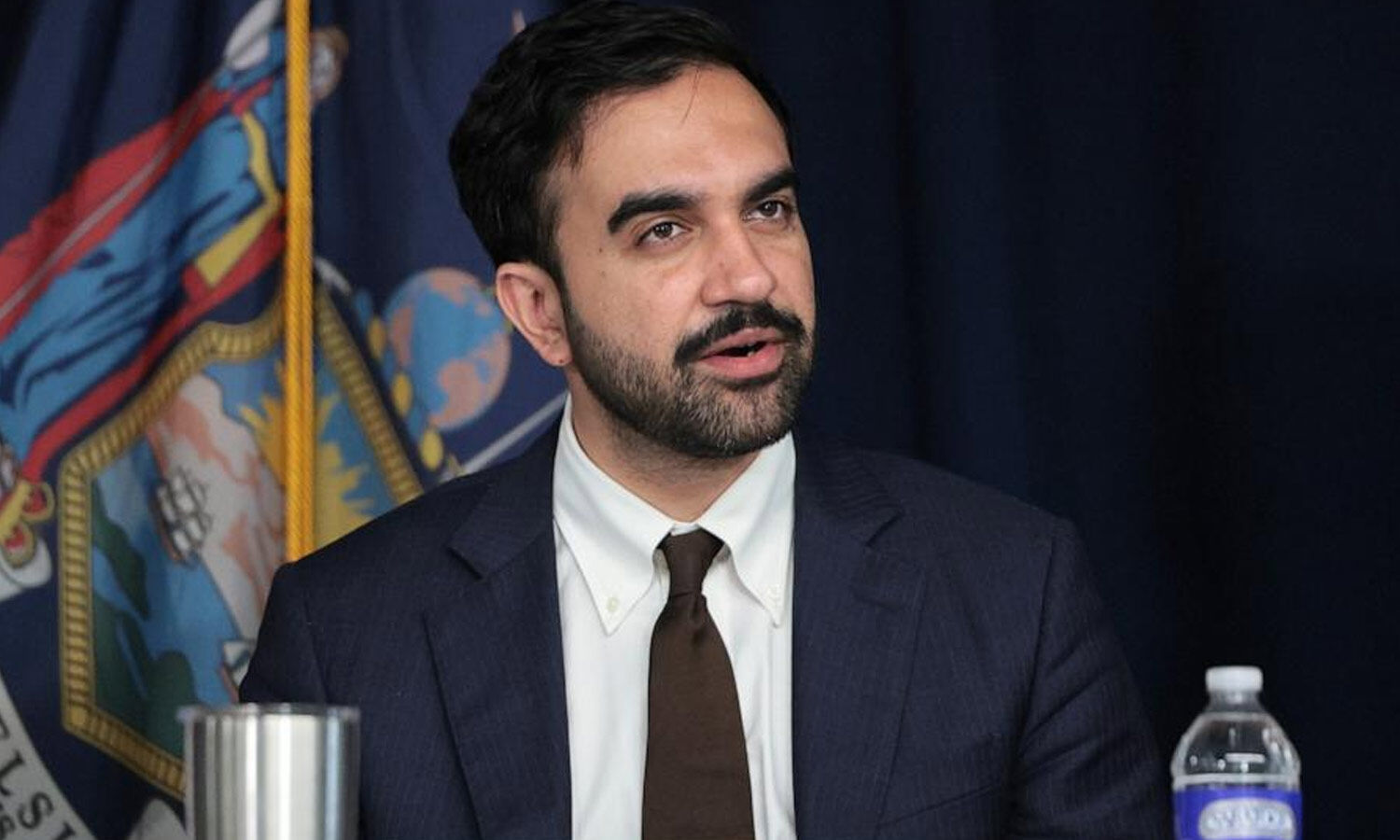
New York Mayor Zohran Mamdani banned student-facing generative AI in public schools from preschool through eighth grade.
The policy also includes AI critical-thinking modules, limited high-school pilots, and age-appropriate screen-time restrictions.
The article argues that AI is only part of a broader shift from literary culture toward digital, oral, and interactive communication.
It says schools should adapt to this transformation rather than simply trying to isolate students from new technologies.
- Who
- Education policymakers, students, New York City Mayor Zohran Mamdani, and scholars including Eric Havelock and Walter J. Ong are discussed.
- What
- The article examines declining reading performance, New York City’s school AI restrictions, and the broader shift from literary culture to digital orality.
- Where
- The discussion focuses on New York City and broader changes affecting schools and societies.
- When
- PISA was designed in 2000; Mamdani announced the New York City policy on September 2; the article also discusses earlier works published in 1963 and 1982.
- Why
- The policy aims to create space for children to learn without powerful and addictive AI technologies, while the article argues that deeper cultural and technological changes are driving the reading debate.
Technology-Restrictive View
Cultural-Adaptation View
How to address falling reading scores
Technology-Restrictive View
Restricting AI and screen exposure can create space for children to develop reading skills in a less distracting environment.
Cultural-Adaptation View
AI restrictions address symptoms, while the deeper issue is society’s broader shift away from a culture organized around sustained reading.
Meaning of declining performance
Technology-Restrictive View
Falling PISA scores may indicate that students are becoming less capable readers and that schools need stronger reading instruction.
Cultural-Adaptation View
The scores may reflect students’ adaptation to a changing communication environment rather than simple intellectual decline; the article cautions against calling teenagers “dimmer.”
Role of schools
Technology-Restrictive View
Schools should protect traditional reading and writing practices by limiting technologies that can undermine attention and learning.
Cultural-Adaptation View
Schools should help students understand and navigate digital orality, because technology is already shaping the incentives and skills valued outside the classroom.
Key facts
- Reading performance
- PISA’s latest report confirmed that student reading performance continues to decline.
- New York City policy
- Student-facing generative AI is banned in public schools from preschool through eighth grade.
- High-school measures
- The policy includes twice-yearly AI critical-thinking modules and limited AI pilots in some high-school classrooms.
- Additional restriction
- The plan includes age-appropriate screen-time restrictions.
- Cultural shift
- The article describes a transition from predominantly literary culture toward increasingly oral and auditory culture.
- Historical framework
- Eric Havelock and Walter J. Ong are cited for their analyses of how writing and electronic media reshape learning and consciousness.
- Gutenberg Parenthesis
- Lars Ole Sauerberg’s term describes a roughly 500-year period from the invention of print to around the turn of the millennium.
Quotes

Milagros Tolon
Spanish education minister quoted discussing the importance of improving reading
“reading is the foundation of everything”
 deccanchronicle.com

Zohran Mamdani
New York City mayor whose school AI policy is described in the article
“twice-yearly AI critical thinking modules for high schoolers, limited AI pilots for a small number of high school classrooms and age-appropriate screen time restrictions”
deccanchronicle.com
The Economist editorial board
Editorial board cited as characterizing the decline in student reading performance
“while machines are getting brighter (… ) teens are getting dimmer”
deccanchronicle.com
Sources
Related news

Nithin Kamath Warns AI and Falling Scores Threaten Learning

Nithin Kamath Raises Concerns About AI and Student Skills

OECD Reading and Math Scores Hit Record Lows
New York City Restricts Student AI Through Eighth Grade

PISA 2025 Finds Major Declines in Reading, Mathematics

New York City Announces One-Year AI Moratorium for Students

France Expands Annual School Bullying Survey to Include Sexual Violence