1 day ago
New York City Restricts Student AI Through Eighth Grade
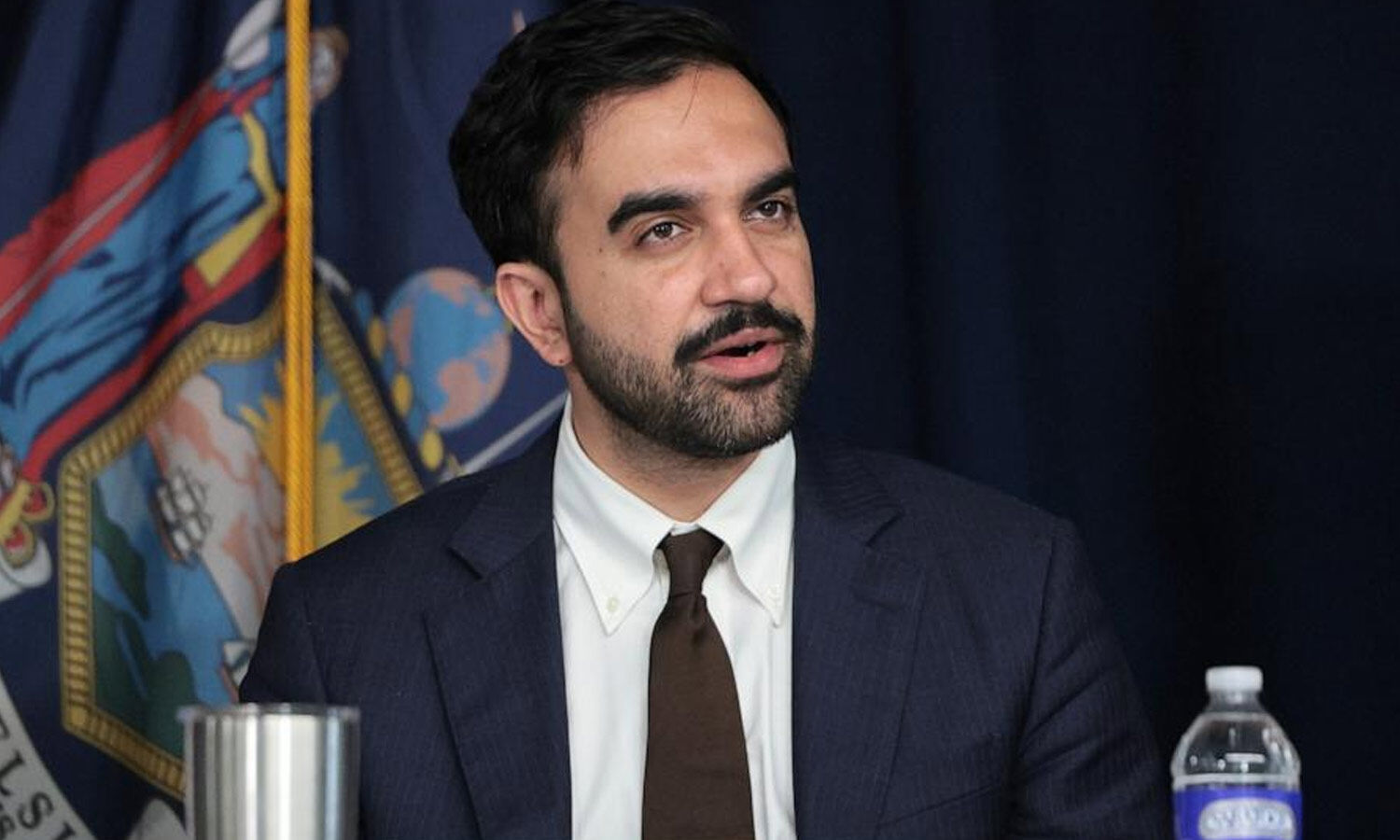
New York City is changing how children use artificial intelligence in public schools.
Students from 2-K through eighth grade will not be allowed to use student-facing AI tools at school for one year.
High school students will be able to use some AI in carefully supervised classes.
All high school students will also learn about AI twice a year.
These lessons will discuss what AI can do, its risks, bias, ethics, and future careers.
Chatbots that pretend to be friends or provide emotional support will be banned for students of every age.
Teachers can use approved AI to plan lessons and complete some office tasks.
They cannot use it to grade students, monitor behavior, counsel students, or create special education plans.
City officials say the policy is meant to protect learning and human relationships, while critics say important details about safeguards and enforcement remain unclear.

New York City will impose a one-year moratorium on student-facing generative AI from 2-K through eighth grade during the 2026–27 school year.
High school students will receive twice-yearly AI literacy lessons and limited access through supervised, approved programs.
Companion chatbots offering simulated relationships or emotional support will be prohibited across all grades.
Teachers may use approved AI for lesson planning, translation, communications, and administrative tasks, but not grading, counseling, or behavior monitoring.
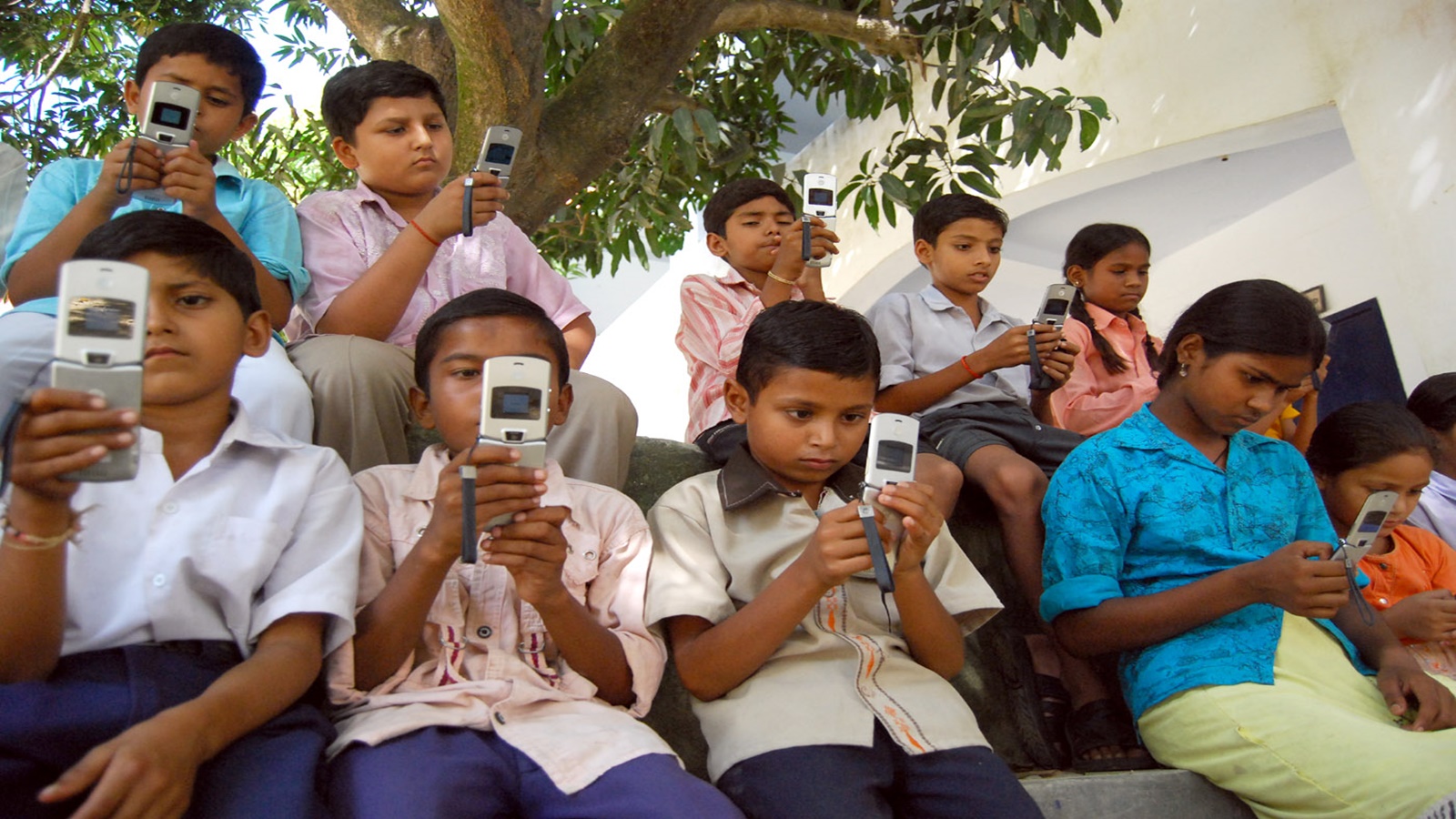
The city recommends daily one-to-one screen-time limits of 30 minutes for grades 3–5 and 45 minutes for grades 6–8.
- Who
- New York City public-school students, teachers, parents, education officials, Mayor Zohran Mamdani, and the United Federation of Teachers are involved.
- What
- The city is temporarily prohibiting student-facing generative AI through eighth grade, limiting high-school access, banning companion chatbots, and recommending screen-time limits.
- Where
- New York City public schools, which serve nearly 600,000 students affected by the new measures.
- When
- The policy was announced Wednesday and is intended to apply for one year during the 2026–27 school year; sources differ on whether the review report is due in April or after the school year.
- Why
- Officials, parents, and educators cited concerns about children’s mental health, cognitive development, dependence on AI, cheating, and the importance of teacher-led learning and human interaction.
Supporters of tighter restrictions
Critics and unresolved concerns
Learning and child development
Supporters of tighter restrictions
Mayor Zohran Mamdani and supporters argue that children need teachers, human connection, peer relationships, and practice solving difficult problems independently rather than relying on AI.
Critics and unresolved concerns
Parents and teachers previously criticized the March framework as too lenient, while the sources also note that restricting AI could reduce access to research, exploration, and creative uses previously permitted under that framework.
Safeguards and implementation
Supporters of tighter restrictions
The new rules provide age-based limits, supervised high-school pilots, AI literacy lessons, and a review process intended to shape future policy.
Critics and unresolved concerns
United Federation of Teachers president Michael Mulgrew said the policy leaves questions unanswered, including how aggressively the Education Department will require purchased products to include AI safeguards.
Enforcement
Supporters of tighter restrictions
The city will disable or suspend AI features in programs that do not meet its safety and oversight standards and will ban companion chatbots across all grades.
Critics and unresolved concerns
The articles say enforcement will be difficult because students can access many AI services outside the school environment.
Key facts
- Student AI moratorium
- Student-facing generative AI, including AI tutors and chatbots, will be prohibited from 2-K through eighth grade for one year.
- High-school access
- High school students may use selected AI tools in limited, supervised pilots and approved activities such as AI literacy and career readiness.
- AI literacy
- All public high school students will receive two 45-minute AI literacy or critical-thinking modules each year.
- Companion chatbots
- Chatbots designed to simulate relationships or provide emotional or psychological support will be banned across all grades.
- Teacher use
- Teachers may use approved AI for instructional planning, lesson preparation, translation, communications, and operational tasks.
- Restricted teacher use
- Teachers may not use AI for grading or evaluating students, behavior monitoring, counseling, or developing special education plans.
- Screen-time guidance
- The city recommends 30 minutes of daily one-to-one screen use for grades 3–5 and 45 minutes for grades 6–8; younger students will face additional restrictions.
- Policy review
- A coalition or task force of students, educators, parents, officials, experts, advocates, and union representatives will evaluate the policy and pilot programs.
Quotes

Michael Mulgrew
President of the United Federation of Teachers in New York
“Each day when our children come to school, we teach them to ask questions, to challenge assumptions, to interrogate the premise, to ask why. When it comes to AI in our schools, we hold an obligation to do the same”
 freepressjournal.in
“The tech industry wants us to believe that AI-powered early education is not only inevitable, but necessary. We do not see it that way. Children need teachers and human connection in order to learn and grow.”
 thehansindia.com
 wionews.com
Sources
Mayor Zohran Mamdani Bans Generative AI in New York Schools
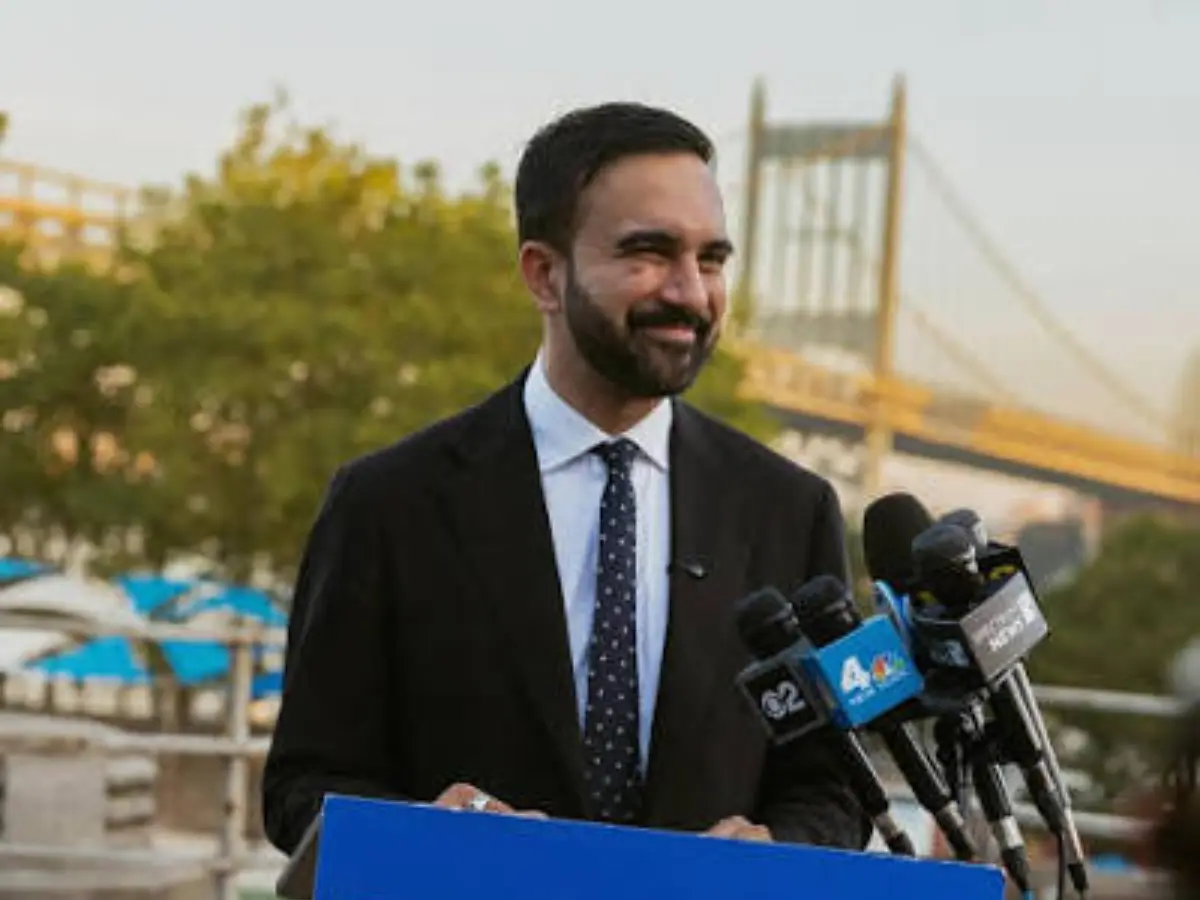
New York City bans AI use for younger students, recommends screen time limits: What Mamdani said
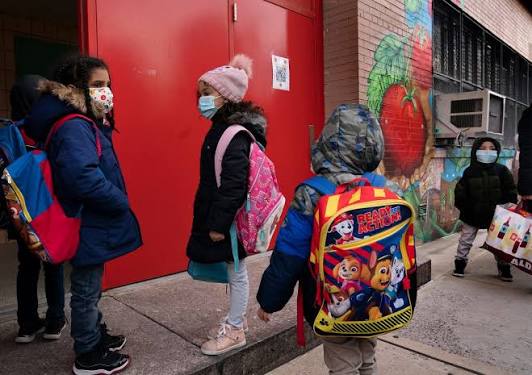
New York City To Ban AI In Public Schools Through 8th Grade
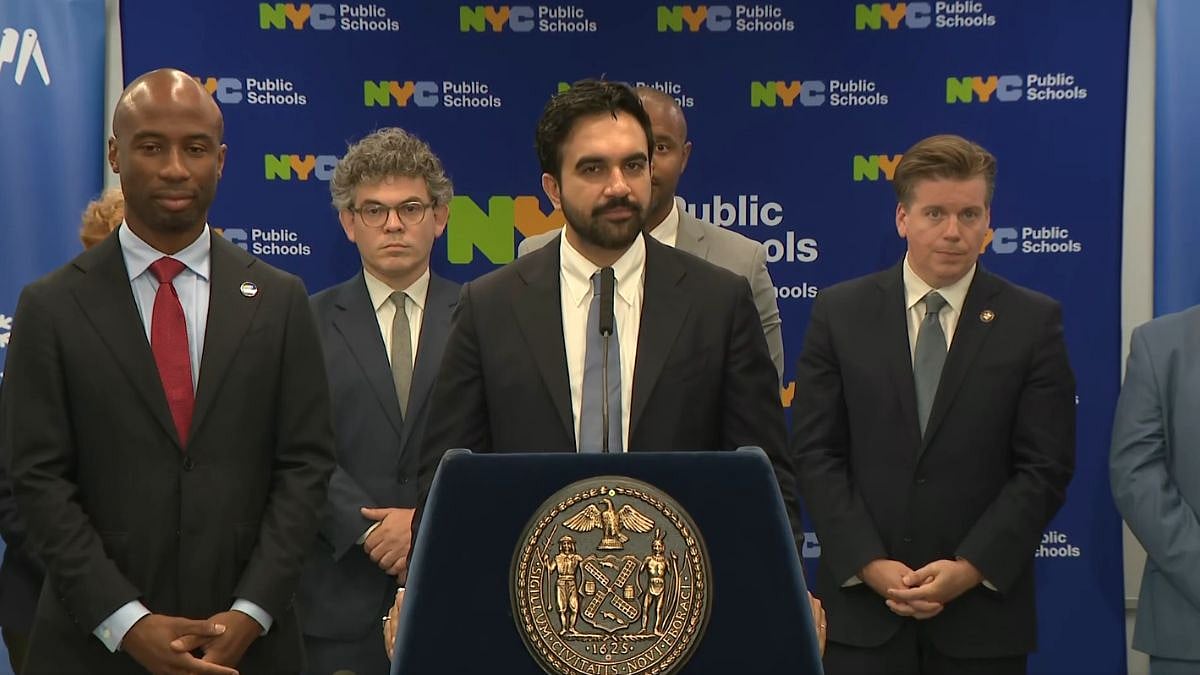
New York City Schools To Temporarily Ban Generative AI For Students Through Grade 8, Launch AI Literacy Classes For High Schoolers | Video
No AI until high school: New York City schools introduce sweeping new rules
Related news
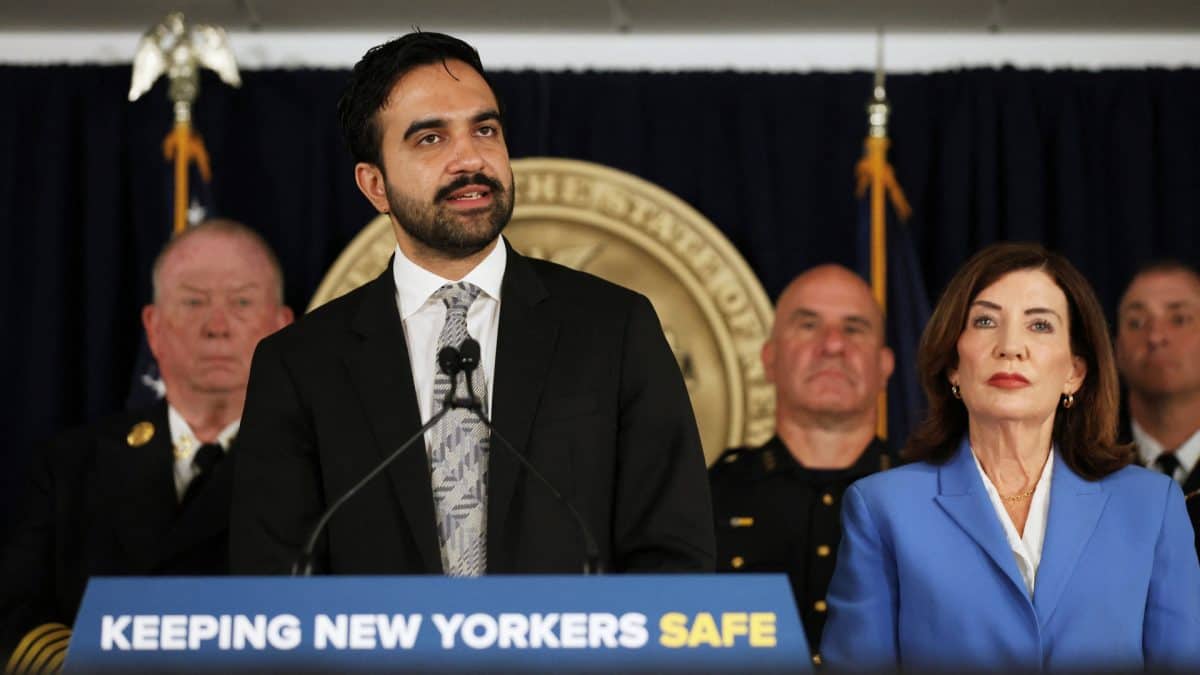
New York City Announces One-Year AI Moratorium for Students
Google Expands Gemini AI Access to Students of All Ages

OpenAI Launches ChatGPT for Teens With Stronger Safeguards

OpenAI Launches ChatGPT for Teens With Safety and Study Tools
Noida Schools Cap Smart Board Screen Time At 30-60 Minutes