1 week ago
India’s Drinking Culture Faces New Rules and Expectations
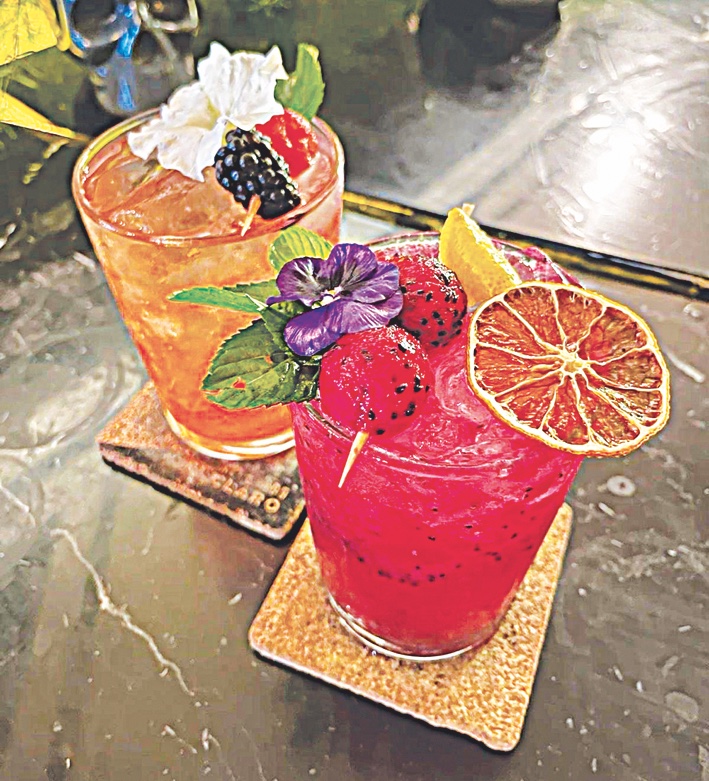
India is creating clearer rules for alcoholic drinks and some non-alcoholic products.
The rules explain how drinks such as craft beer, mead and ready-to-drink beverages should be made and described.
Officials warned some companies about adding flavours that should not be present in certain spirits, wine or beer.
They also objected to labels that make age claims in misleading ways.
Six brands were told not to market their products as “energy drinks” with unapproved health claims.
At the same time, people want to know more about what is in their drinks.
Bartenders and drink makers say rules can help them create new products more carefully.
More Indians are also choosing drinks with little or no alcohol, especially for occasions when they want to avoid hangovers.

FSSAI has clarified standards for alcoholic ready-to-drink beverages, craft beer and mead.
The regulator issued notices over added flavours, misleading age claims and prohibited marketing language.
Six beverage brands were cited for calling products “energy drinks” and making impermissible functional or therapeutic claims.
Consumers are showing greater interest in ingredients, provenance, sweetness and low- or no-alcohol options.
India’s premium and luxury alcohol-beverage segment grew 18.5% annually from 2019 to 2024, according to the article.
- Who
- The Food Safety and Standards Authority of India, alcoholic beverage makers, bartenders, mixologists and Indian consumers.
- What
- FSSAI has introduced clearer alcoholic-beverage standards and issued notices over alleged flavour, age-labeling and marketing violations.
- Where
- India.
- When
- The regulatory action was reported recently; the cited market data covers 2019–2029, with one consumer study measured through April 2024.
- Why
- To improve compliance and transparency as consumers become more interested in ingredients and increasingly consider low- and no-alcohol drinks.
Regulatory Clarity
Creative Flexibility
Transparency and product standards
Regulatory Clarity
Clearer rules can improve ingredient transparency, labeling accuracy and consumer understanding, according to industry comments cited in the article.
Creative Flexibility
Drink makers still want room to experiment with local ingredients, techniques and formats while meeting quality and compliance requirements.
Effect on mixology
Regulatory Clarity
Regulations set boundaries around ingredients, product descriptions and health-related claims.
Creative Flexibility
Mixologists cited in the article argue that boundaries can encourage more thoughtful creativity rather than eliminate experimentation.
Marketing language
Regulatory Clarity
FSSAI says functional or therapeutic claims such as boosting energy, enhancing focus or aiding weakness are not permissible for food products.
Creative Flexibility
The article does not report a defense from the cited brands, but it describes an industry balancing new product promotion with regulatory compliance.
Key facts
- Regulator
- Food Safety and Standards Authority of India (FSSAI)
- Affected categories
- Alcoholic ready-to-drink beverages, craft beer and mead
- Notices
- FSSAI issued notices over alleged added flavours, misleading age claims and prohibited marketing claims.
- Energy-drink claims
- Six beverage brands were cited for marketing products as “energy drinks” and making claims not permitted under food-safety regulations.
- Low- and no-alcohol preference
- 24% of Indian consumers prefer no- or low-alcohol alternatives, compared with 17% globally, according to NielsenIQ.
- Premium market growth
- India’s premium and luxury alco-beverage segment grew at an 18.5% CAGR from 2019 to 2024.
- Future projection
- The same segment is projected to grow at an 11.7% CAGR from 2024 to 2029.
- Gen Z consumption
- 54% of Indian Gen Z consumers had consumed four or more types of non-alcoholic drinks in the six months to April 2024, according to Mintel research.
Quotes
Jovita Mascarenhas
Co-founder of non-alcoholic cocktail mixer brand Bartisans
“I believe clearer standards and greater ingredient awareness can be positive for the industry. They raise the bar for both transparency and product development, while still leaving plenty of room for creativity.”
 deccanchronicle.com
“Consumers today are far more interested in ingredients, provenance, sweetness levels and what exactly they are consuming.”
deccanchronicle.com

Food Safety and Standards Authority of India
India’s food safety regulator
“Functional or therapeutic claims, including but not limited to vitalises body and mind, enhancing focus, boost energy levels, aid in general weakness, or similar conditions, are not permissible for food products under the FSS Act 2006, and the Rules and Regulations made thereunder.”
deccanchronicle.com
Sources
Related news

India bans Old Monk variants over deceptive spirit labelling
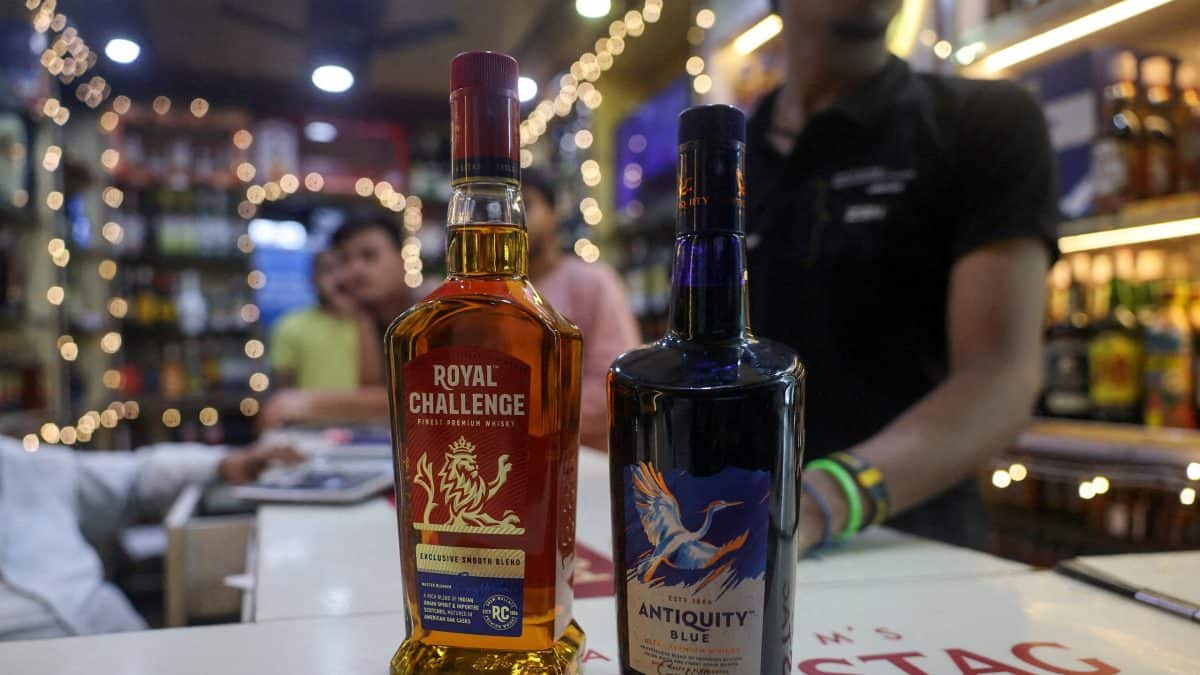
Diageo to reformulate India whisky, rum after flavouring ban
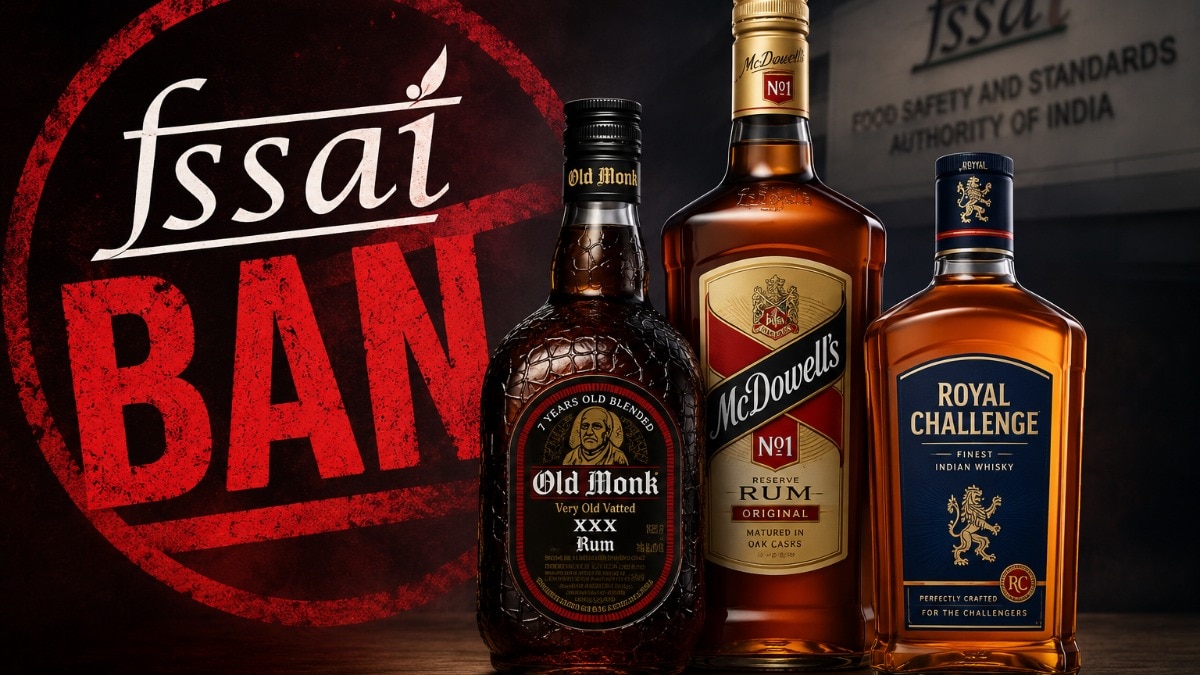
FSSAI bans flavoured Old Monk, McDowell's liquor variants
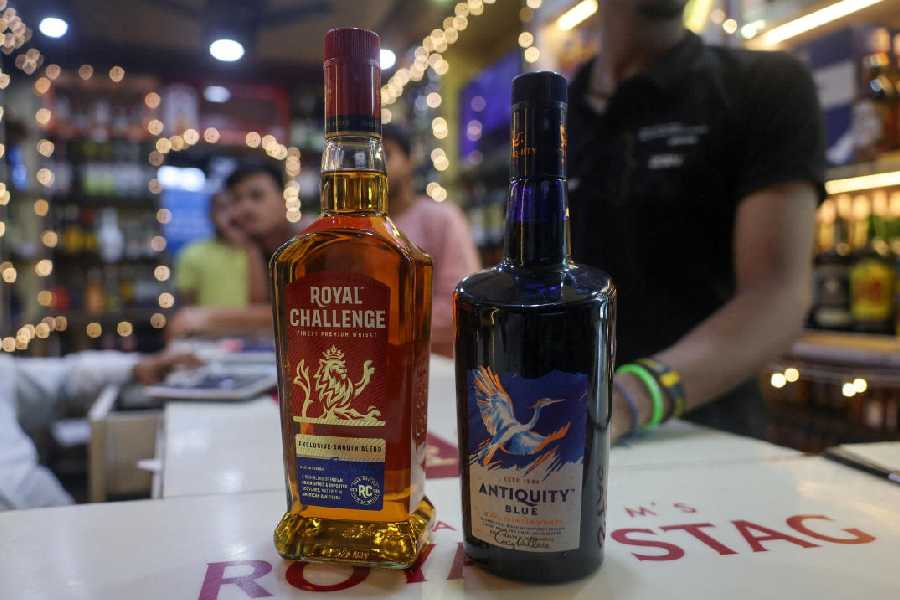
India regulator warns Diageo whisky oak cask claim misleading
FSSAI Revokes Order Affecting United Spirits’ Baramati Rum
Mumbai FDA Suspends Two Food Licences, Flags Two More
India’s Proposed Food Warning Labels Face Health, Industry Backlash

FSSAI Chief Backs Mundhe’s Maharashtra Food Safety Drive

Egg prices surge 10-50% in six months, consumers concerned about adulteration

Cockroach Allegedly Spotted On Dessert Plate At Virar Restaurant