0 months ago
India bans Old Monk variants over deceptive spirit labelling

Rum and whisky are types of strong drinks.
Real rum is made from sugarcane, and real whisky is made from grains like barley, corn or rye.
These drinks get their special smell and taste from their ingredients and from being stored and aged for a long time.
Some companies in India took a shortcut: they used plain, tasteless alcohol and added fake 'rum flavour' or 'whisky flavour' to it.
This tricked people into thinking the drink was naturally old and high quality when it was not.
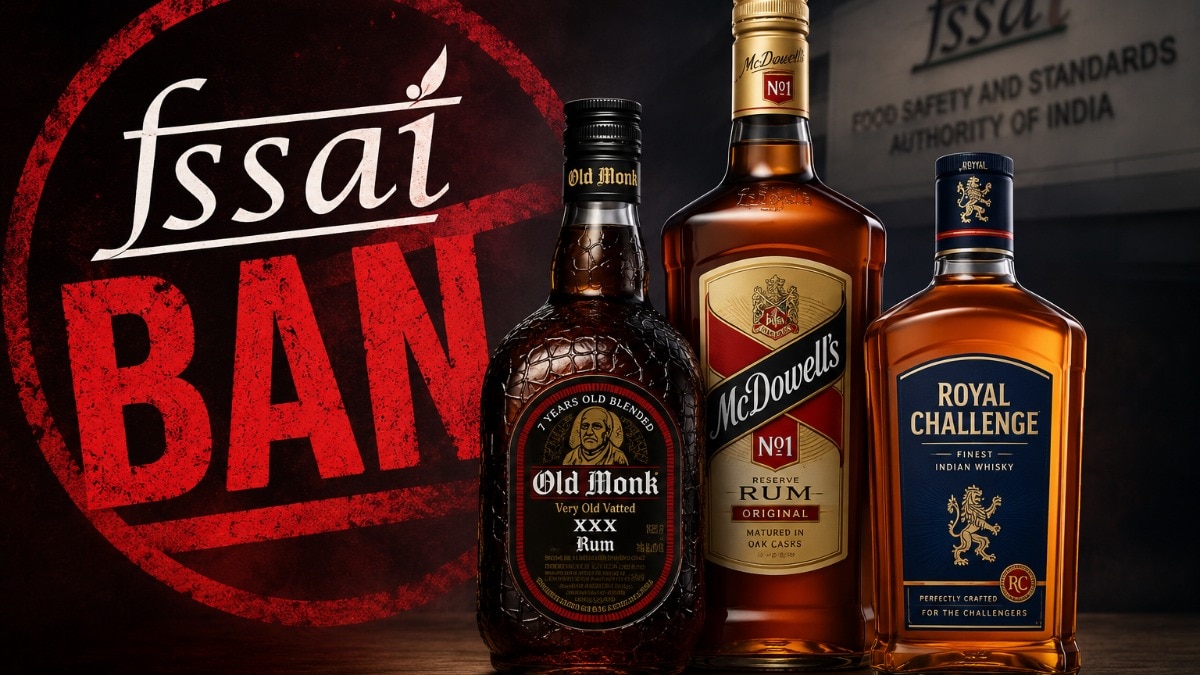
A government agency called FSSAI, which checks that food and drinks are safe and honestly labelled, stopped the sale of some of these bottles, including three kinds of Old Monk rum.
Under the rules, these products cannot be sold as standard rum or whisky anymore.
Companies can still sell them if they change the label to say 'rum-flavoured spirit' or 'whisky-flavoured spirit'.
Drinks like mango chilli vodka are okay because their labels clearly say what flavour is inside.
Some companies say adding flavour is a normal, long-standing practice, while the regulator says it cannot be used to pretend a drink is something it is not.

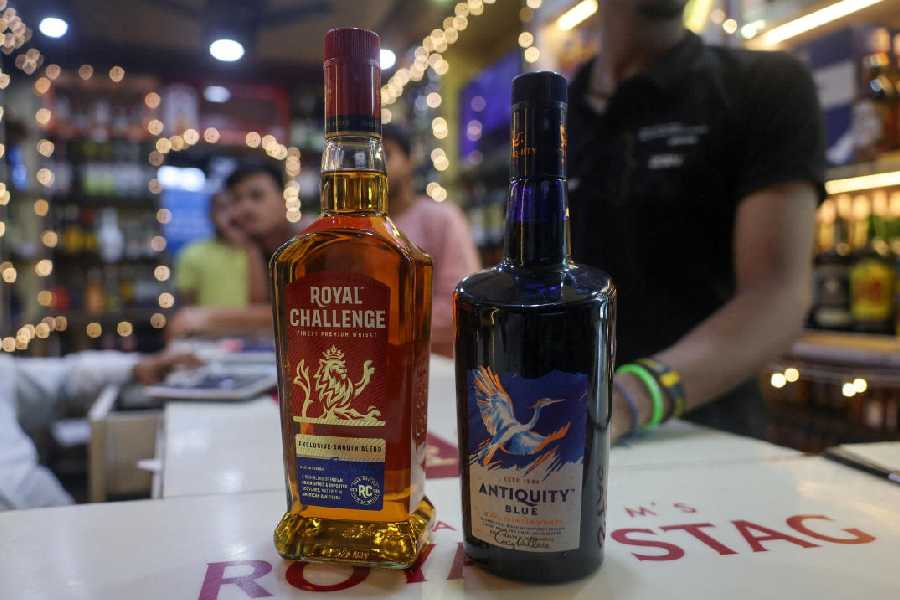
The FSSAI banned three Old Monk variants — The Legend, Gold Reserve and XXX Matured Rum — across India, along with Royal Challenge Whisky and other spirits, over deceptive labelling.
Laboratory tests found the products substandard because they contained artificial or nature-identical flavours instead of genuine base ingredients, fermentation and maturation.
FSSAI stated there is no internationally recognised manufacturing practice whereby rum flavour is added to rum or whisky flavour is added to whisky.
Under FSSAI regulations, rum must come from fermented sugarcane products and whisky from fermented cereal grains, with only caramel permitted as colouring in rum.
Manufacturers can relabel affected products as 'rum-flavoured spirit' or 'whisky-flavoured spirit', while flavoured vodkas like Minty Jamun and Mango Chilli remain legally protected under the separate Premix/Flavoured Vodka category.
Industry body ISWAI, whose CEO Nita Kapoor defended artificial flavours as a long-established FMCG practice, cautioned against conflating standard industry practices with misleading claims; United Spirits moved the Bombay High Court over the order.
- Who
- The Food Safety and Standards Authority of India (FSSAI) took action against manufacturers including Old Monk, Royal Challenge, Diageo and Inbrew; ISWAI CEO Nita Kapoor and United Spirits responded on behalf of the industry.
- What
- The FSSAI banned three Old Monk variants and other whiskies and rum for using artificial or nature-identical flavours to mimic standard products instead of genuine ingredients and ageing.
- Where
- Across India (nationwide ban).
- When
- The exact date is not stated in the articles; the action was announced through a recent FSSAI press release.
- Why
- To stop consumer deception, because adding external flavours lets manufacturers bypass maturation and natural ingredients while selling the product as standard rum or whisky, and to curb misleading age-related claims.
Regulator (FSSAI)
Spirits Industry (ISWAI)
Adding flavours to standard spirits
Regulator (FSSAI)
Adding rum flavour to rum or whisky flavour to whisky is not an internationally recognised manufacturing practice; it misleads consumers into believing the spirit was naturally aged and lets companies bypass maturation.
Spirits Industry (ISWAI)
The use of artificial or simulated flavours is a long-established and widely accepted practice across FMCG categories including the alcoholic sector, typically deployed for consistency, safety and consumer acceptability.
Regulatory approach
Regulator (FSSAI)
Strict oversight and truthful labelling are necessary and welcome to curb misleading age-related claims and maintain public trust.
Spirits Industry (ISWAI)
India needs a regulatory system that is both strict and enabling, so that credible, evidence-based innovation is not unintentionally hindered and standard industry practices are not conflated with non-compliance.
Key facts
- Regulator
- Food Safety and Standards Authority of India (FSSAI)
- Banned products
- Old Monk The Legend, Gold Reserve and XXX Matured Rum; also Royal Challenge Whisky and other whiskies/rum
- Governing regulation
- Food Safety and Standards (Alcoholic Beverages) Regulations, 2018
- Rum definition
- Alcoholic distillate from fermented sugarcane juice, molasses or other sugarcane products; no colouring other than caramel allowed
- Whisky definition
- Distilled from fermented extract of malted cereal grains such as corn, rye or barley
- Remedy for companies
- Relabel as 'rum-flavoured spirit' or 'whisky-flavoured spirit' and remove deceptive age statements
- Flavoured vodka status
- Legally protected under the 'Premix/Flavoured Vodka' category when flavours are declared to the regulator and on labels
- Industry response
- ISWAI CEO Nita Kapoor defended flavouring as standard practice; United Spirits moved the Bombay High Court over the FSSAI order
Quotes
Nita Kapoor
CEO of the Indian Spirits Welfare Association
“"Any policy approach should therefore avoid conflating standard industry practices with misleading claims or non‑compliance."”
 livemint.com
“"FSSAI’s focus on consumer safety and its efforts to curb misleading age-related health claims are necessary and welcome."”
livemint.com

FSSAI
Official statement from the Food Safety and Standards Authority of India
“"There is no internationally recognised manufacturing practice whereby rum flavour is added to rum or whisky flavour is added to whisky."”
livemint.com
Sources

Related news
FSSAI bans flavoured Old Monk, McDowell's liquor variants

Bombay HC seeks Centre's reply on flavoured rum ban
India regulator warns Diageo whisky oak cask claim misleading
Diageo to reformulate India whisky, rum after flavouring ban

United Spirits Drops Court Challenge After FSSAI Lifts Rum Ban
Mumbai FDA Suspends Two Food Licences, Flags Two More

India’s Proposed Food Warning Labels Face Health, Industry Backlash

FSSAI Chief Backs Mundhe’s Maharashtra Food Safety Drive

Egg prices surge 10-50% in six months, consumers concerned about adulteration
Cockroach Allegedly Spotted On Dessert Plate At Virar Restaurant