2 weeks ago
Bombay High Court Limits RTI Duties Over Private Information

The Right to Information law lets people ask public offices for information.
The Bombay High Court said an office usually only has to provide information it already has.
It does not have to collect new information from a private organization just because someone asks for it.
This case involved SEBI, which regulates parts of the securities market, and the Bombay Stock Exchange.
The Central Information Commission had told SEBI to get information from the Bombay Stock Exchange.
The High Court disagreed with that instruction.
It said SEBI’s power to request information for regulatory work does not create a duty to gather it for RTI applicants.
The court cancelled the commission’s orders.
It also relied on earlier Supreme Court rulings about the limits of the RTI Act.

The Bombay High Court ruled that public authorities need not collect information from private entities for RTI applicants.
The ruling came in challenges by SEBI and BSE against Central Information Commission directions.
The CIC had directed SEBI to obtain information from BSE and provide it to applicants.
The court said the RTI Act generally covers information already held by a public authority.
The bench quashed the CIC orders, finding its interpretation contrary to Supreme Court precedent.
- Who
- A Bombay High Court bench of Justices Manish Pitale and Shreeram Shirsat, along with SEBI, BSE and the CIC.
- What
- The court ruled that public authorities are not required under the RTI Act to obtain information from private entities merely to answer RTI requests.
- Where
- The Bombay High Court in Mumbai.
- When
- August 19, 2026.
- Why
- The court held that the RTI Act generally requires disclosure of information already held by a public authority, not the collection or compilation of information from third parties.
High Court and Regulatory Authorities
Central Information Commission’s Interpretation
Scope of RTI duties
High Court and Regulatory Authorities
The High Court held that a public authority must provide information already held in its records and is not required to gather information from private entities.
Central Information Commission’s Interpretation
The CIC interpreted the RTI Act as requiring SEBI to obtain relevant information from third parties such as BSE when necessary to answer an RTI request.
SEBI’s regulatory powers
High Court and Regulatory Authorities
The court said SEBI’s power to seek information from BSE under its governing statute does not create an obligation to obtain that information for RTI applicants.
Central Information Commission’s Interpretation
The CIC’s orders treated SEBI’s ability to obtain information from BSE as sufficient basis for requiring it to secure and disclose that information.
Validity of CIC orders
High Court and Regulatory Authorities
The High Court found the CIC’s reasoning inconsistent with Supreme Court precedent and quashed the orders challenged by SEBI and BSE.
Central Information Commission’s Interpretation
The CIC had issued orders directing SEBI to obtain information from BSE and provide it to RTI applicants.
Key facts
- Court
- Bombay High Court
- Bench
- Justices Manish Pitale and Shreeram Shirsat
- Law involved
- Right to Information Act, 2005
- Organizations involved
- Securities and Exchange Board of India and Bombay Stock Exchange
- Earlier orders
- The Central Information Commission had directed SEBI to obtain information from BSE
- Outcome
- The High Court quashed and set aside the challenged CIC orders
- Legal basis
- The court referred to Supreme Court rulings stating that authorities need not collect or collate information they do not already hold
Quotes

Bombay High Court
Judicial decision by the Bombay High Court
“"The provisions (of the RTI Act) do not indicate that a public authority, like SEBI in the present case, which is a regulatory body empowered to call upon third parties to provide information in terms of its own governing statute, is under an obligation to obtain information from third parties to satisfy persons applying for such information," the court said.”
 freepressjournal.in
“"We find that the said reasoning of the CIC is in the teeth of the position of law clarified by the Supreme Court and therefore, it cannot be sustained and the impugned orders deserve to be quashed and set aside," the court said.”
freepressjournal.in
Sources
Related news

High Court stays order naming Chandigarh Golf Club 'public authority'

Supreme Court questions blanket ban on digital personal data disclosure
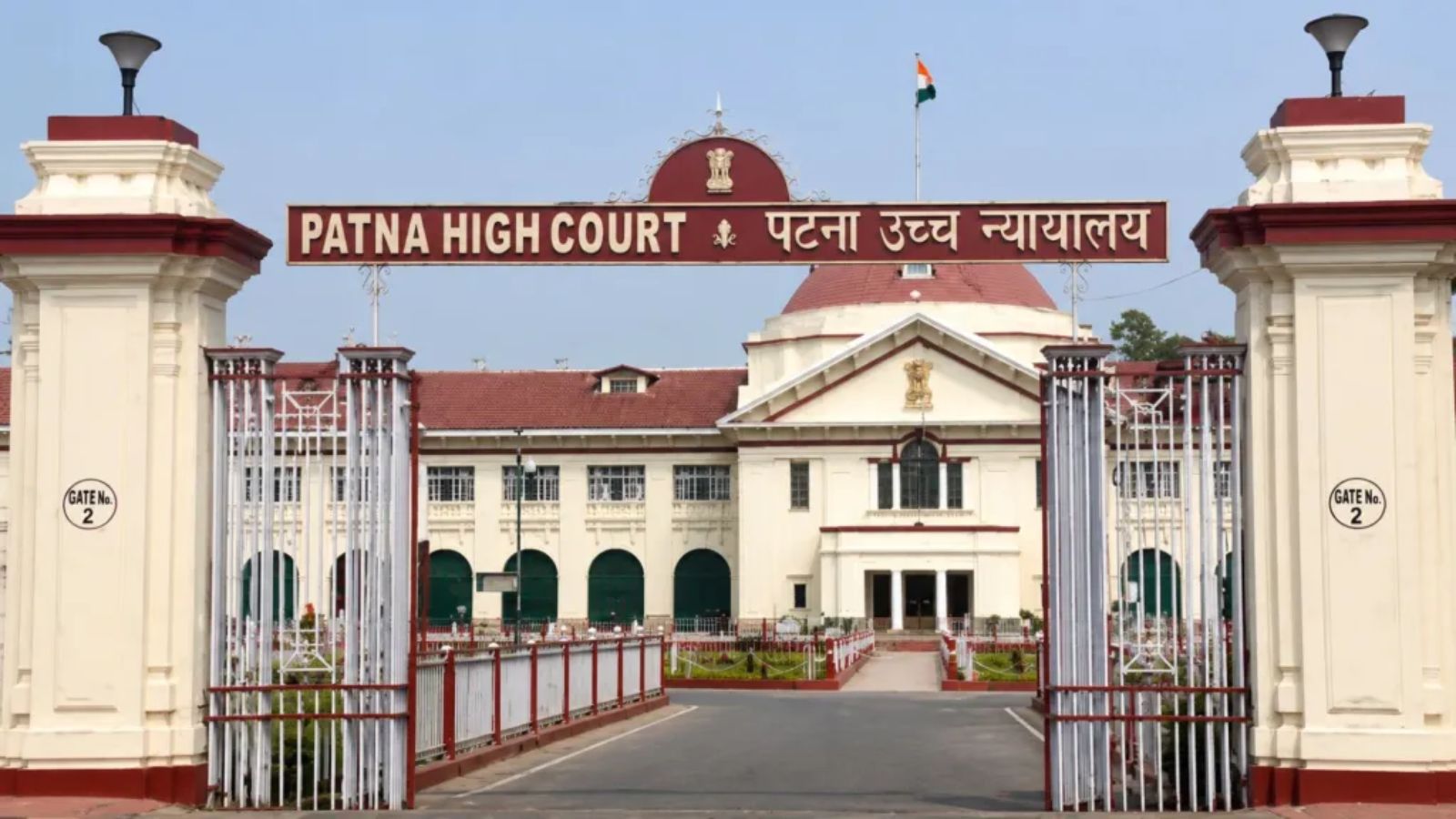
Patna High Court Sets 45-Day Limit for RTI Second Appeals

Supreme Court Orders Probe Into Alleged ITR, EPFO Data Misuse

Supreme Court Seeks Safeguards Against Private EPFO, ITR Data Misuse

PVR Inox Buyback: September 3 Last Day to Buy

Indian Stocks Extend Three-Day Losing Streak as Oil Rises

Augmont Enterprises Rises Despite Gold-Buying Appeal and Market Risks

BSE Shares Fall as New Closing Auction Session Draws Scrutiny

Spice Lounge Food Works Stock Hits Upper Circuit Amid Crash