3 weeks ago
Supreme Court questions blanket ban on digital personal data disclosure

In India, there is a law called the Right to Information Act that lets citizens ask the government for information.
It helps people check what their government is doing.
The law was recently changed through a new law about protecting personal data.
After the change, personal information can almost never be shared, even if sharing it would help many people.
Some lawyers think this change is too strict and unfair.
They went to the Supreme Court and asked the judges to decide whether the change is allowed.
The judges said the country must balance two important things: people's right to know and everyone's right to privacy.
The government said it would explain why the change is needed, and the judges gave it two weeks to respond.
The Court also asked the Ministry of Electronics and Information Technology to take part in the case.

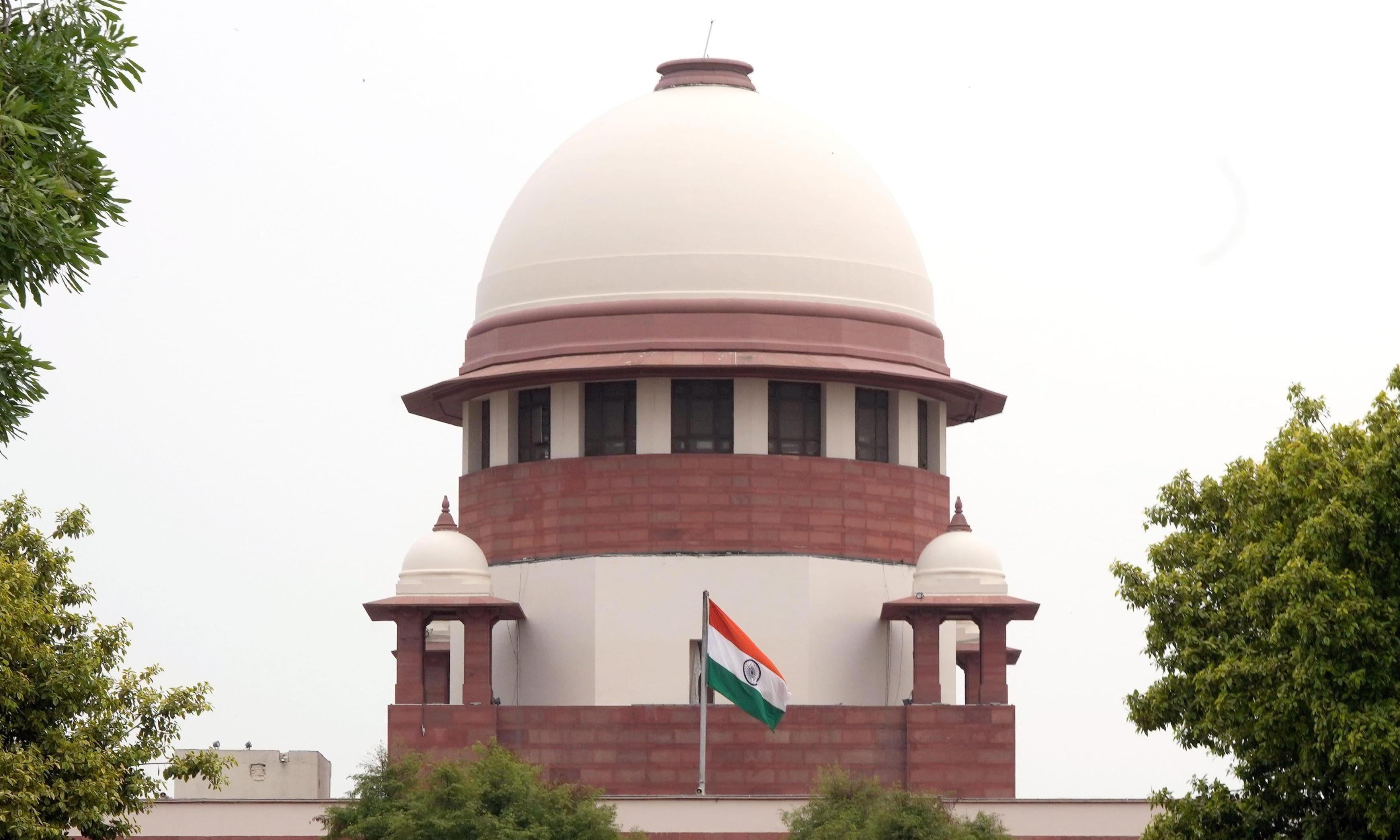
The Supreme Court is examining whether Parliament can impose a blanket ban on disclosure of digital personal information under the Right to Information Act.
The challenge targets an amendment to Section 8(1)(j) of the RTI Act, introduced through the Digital Personal Data Protection Act, which removed the public interest exception allowing disclosure of personal information.
Chief Justice Surya Kant, Justice Joymalya Bagchi and Justice V Mohana said the case requires balancing citizens' right to information with the fundamental right to privacy.
Petitioners' advocates argued the amendment fundamentally alters the RTI regime and could seriously impede investigative journalism that exposes corruption and abuse of power.
Solicitor General Tushar Mehta sought two weeks for the Central government to file its response, and the Court impleaded the Ministry of Electronics and Information Technology as a party.
- Who
- A Supreme Court Bench comprising Chief Justice Surya Kant, Justice Joymalya Bagchi and Justice V Mohana; petitioners' advocates including Vrinda Grover, Nisha Bhambhani and Prashant Bhushan; Solicitor General Tushar Mehta for the Central government.
- What
- A constitutional challenge to the amendment of Section 8(1)(j) of the Right to Information Act, which removed the public interest exception for disclosure of personal information.
- Where
- The Supreme Court
- When
- Friday
- Why
- To decide whether Parliament can impose a blanket prohibition on disclosure of digital personal information or whether a proportionate approach balancing the right to information and the right to privacy is required.
Petitioners' advocates
Central government
Blanket ban on personal information disclosure
Petitioners' advocates
Parliament cannot impose a blanket ban on disclosure of all digital personal information; the amendment removes the safeguard that permitted disclosure in the larger public interest and fundamentally alters the RTI regime.
Central government
The Central government maintains the amendment is justified and will file an affidavit defending it, subject to judicial review, treating the widening of protection for personal information as a valid cautionary approach.
Impact on investigative journalism
Petitioners' advocates
The amendment could seriously impede investigative journalism by restricting access to official records relied upon to expose corruption and abuse of power.
Central government
The Centre says it will justify the amendment in its affidavit; the Court will examine whether its classification bears a reasonable and intelligible nexus with the object sought to be achieved.
Key facts
- Law under challenge
- Section 8(1)(j) of the Right to Information Act
- Amendment introduced by
- Digital Personal Data Protection Act
- Bench
- Chief Justice Surya Kant, Justice Joymalya Bagchi, Justice V Mohana
- Petitioners' advocates
- Vrinda Grover, Nisha Bhambhani, Prashant Bhushan
- Government counsel
- Solicitor General Tushar Mehta
- Response deadline
- Two weeks sought for the Centre's affidavit
- Newly impleaded party
- Ministry of Electronics and Information Technology
- Pre-amendment position
- Personal information could be withheld only in limited circumstances; disclosure preserved where larger public interest justified it
Sources
Related news

Bombay High Court Limits RTI Duties Over Private Information
Delhi High Court Seeks Replies in Saurav Das Privacy Suit

Doxxing and data leaks threaten India's digital dignity
Saurav Das Sues Iyer-Mitra Over Alleged Address Disclosure
Supreme Court Petition Challenges School Access Curbs on Journalists
CJP Calls Off Delhi March After Supreme Court Order
Subhash Chandra Challenges Five-Member NCLT Bench in Insolvency Case
Supreme Court Limits Manan Mishra’s Pro Tem BCI Role
Subhash Chandra Challenges Five-Member Bench in Insolvency Case

Subhash Chandra Challenges NCLT Bench as NCLAT Appeal Waits