2 hrs ago
India Weighs Access as AI Makes Radiotherapy More Precise
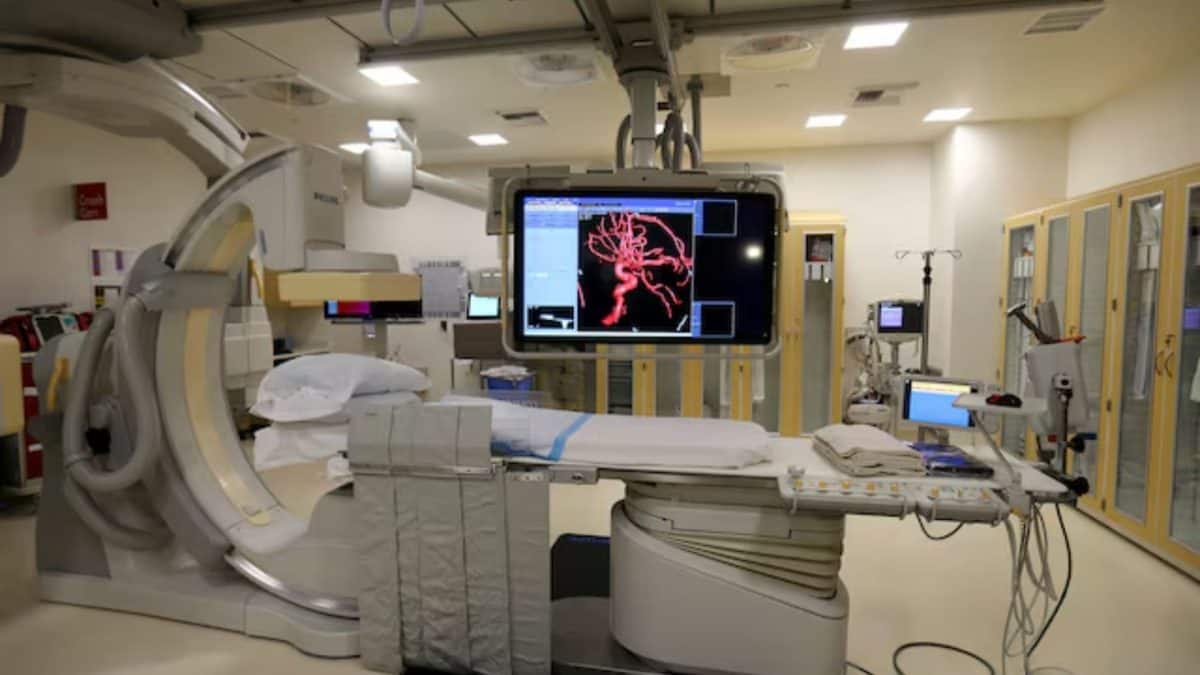
Radiotherapy uses carefully planned radiation to treat cancer.
New tools can adjust treatment when a tumor or nearby organs change.
One machine, called an MR-Linac, combines an MRI scanner with a radiation machine.
This helps doctors see soft tissues while giving treatment.
Artificial intelligence may make planning and checking treatments faster.
Doctors say AI will assist experts, not replace them.
These technologies can be expensive and are mostly found in large cities in India.
Experts want India to expand ordinary and advanced radiotherapy so more patients can receive safe, effective care.

AI, adaptive radiotherapy and MR-Linac systems are making cancer treatment more precise and responsive to anatomical changes.
Adaptive radiotherapy can help protect healthy organs, but evidence of improved survival remains limited and varied.
MR-Linac technology provides real-time soft-tissue imaging and may allow treatment plans to be adjusted during therapy.
Experts say AI can streamline contouring, planning and quality assurance, but clinical oversight and validation remain necessary.
India must expand infrastructure, trained staff, affordability and regional access so advanced radiotherapy does not widen healthcare disparities.
- Who
- Cancer patients, radiation specialists, medical physicists, therapists and Indian healthcare institutions are involved.
- What
- Radiotherapy is becoming more adaptive through image guidance, AI, advanced planning and MR-Linac technology.
- Where
- India, with advanced facilities concentrated mainly in major urban and tertiary healthcare centres.
- When
- The article discusses current developments and the next phase of cancer care; a 2026 review and a 2025 review are cited.
- Why
- To improve treatment precision and protect healthy tissue while addressing India’s growing cancer burden and unequal access to care.
Technology Expansion
Access and Evidence Caution
Role of advanced radiotherapy
Technology Expansion
Supporters say adaptive radiotherapy, AI and MR-Linac systems can improve precision, personalize treatment and protect surrounding healthy tissue.
Access and Evidence Caution
Experts caution that no emerging technology is universally superior; its use should depend on the tumor, treatment goal, patient anatomy, expertise and supporting evidence.
AI in treatment workflows
Technology Expansion
AI could reduce repetitive work and make complex adaptive processes more efficient, helping advanced radiotherapy expand.
Access and Evidence Caution
AI should be used only with clinical validation, quality controls and human oversight, and it should complement rather than replace clinical expertise.
India’s implementation strategy
Technology Expansion
India should develop specialized adaptive and MR-guided services at appropriate referral centres while adopting modern oncology infrastructure.
Access and Evidence Caution
India must first ensure broad access to dependable conventional and image-guided radiotherapy, stronger referral systems, public-sector coverage and affordability so innovation does not deepen urban-rural disparities.
Key facts
- Core technologies
- Image-guided radiotherapy, intensity-modulated radiotherapy, adaptive radiotherapy, AI and MR-Linac systems.
- Adaptive radiotherapy
- Adjusts treatment when tumors, organs or patient anatomy change between sessions.
- MR-Linac capability
- Combines magnetic resonance imaging with a linear accelerator to visualize soft tissue during treatment.
- AI applications
- Auto-contouring, treatment planning, image registration, workflow assistance and quality assurance.
- Evidence status
- Adaptive radiotherapy shows evidence for dose recovery, organ protection and workflow feasibility, while survival evidence remains limited and heterogeneous.
- Main access problem
- Advanced facilities are concentrated in major urban and tertiary centres, creating travel, delay and financial burdens for some patients.
- Workforce needs
- India needs more trained radiation oncologists, medical physicists and radiation therapists, alongside infrastructure and maintenance.
Quotes
Dr Hasib Abdul Gaffor
Senior Consultant at SPARSH Hospital, Hennur Road, Bangalore
“The future of radiotherapy will lie in the transition from being primarily a fixed form of treatment to becoming a treatment that can adapt to daily changes in the patient’s internal environment”
 firstpost.com
“India needs to ensure that smart radiotherapy enhances precision and does not widen the current disparity in access to advanced cancer care”
firstpost.com
Sources
Related news
AI Helping Indian Clinicians See More Patients, Philips Says

Image-Guided Brachytherapy Targets Tumors While Protecting Healthy Tissue
Minister Urges Human-Centred AI to Expand Healthcare Access

Singapore Cancer Centre Reports Nearly 20% Rise in Indian Patients

AI May Bring Specialist Care to Rural India, Training Lags

Radiation Therapy Advances Precision Cancer Treatment and Symptom Relief

AI in Indian Healthcare: Remote Monitoring, ICU Optimization Drive Growth

AI Reshapes Patient-Centric Healthcare and Life Sciences Progress

Enterprises Move From AI Pilots to Automated Decision-Making

CCI Warns AI Could Accelerate Anti-Competitive Digital Practices