

1 hr ago
Gut Bacterium Shows Statin-Like Cholesterol Effects in Mice
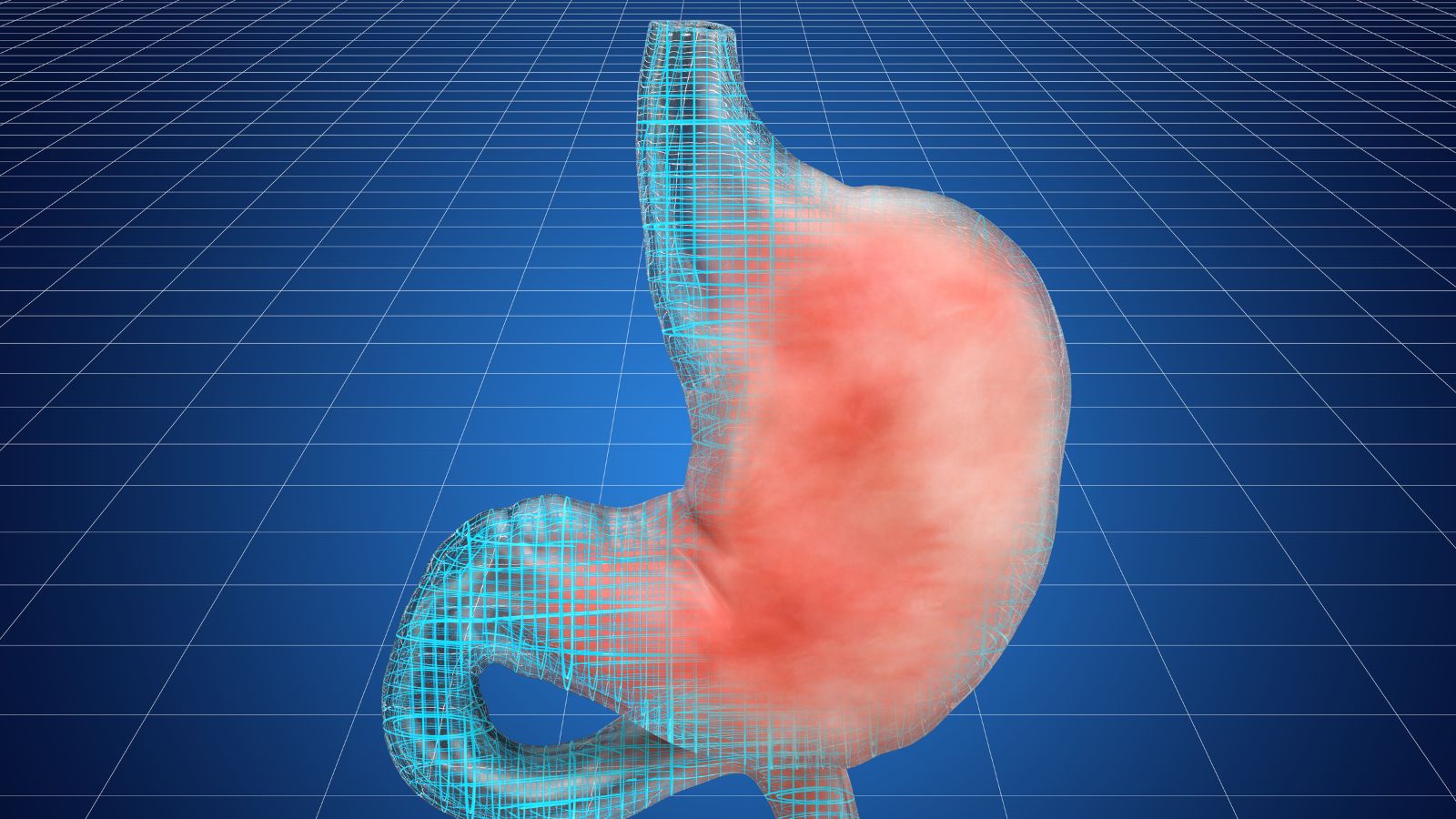
A type of bacteria that can live in the gut may make a molecule called C15:0.
In mice, the bacterium and its molecule lowered cholesterol and reduced fatty buildup in arteries.
The molecule seems to affect a liver process that statin medicines also target.
Researchers also found clues in samples from people, but those clues do not prove the bacteria protect people.
They have not tested whether eating certain foods can cause the whole helpful effect in humans.
Foods with fibre can support gut microbes, but this bacterium is not yet a proven cholesterol treatment.
More research is needed before scientists know whether this discovery can help people.

Researchers identified Bacteroides uniformis as a gut bacterium associated with producing pentadecanoic acid, or C15:0.
In mice prone to atherosclerosis, the bacterium lowered blood fats and reduced artery-wall inflammation and plaque.
The molecule appeared to suppress a cholesterol-making enzyme targeted by statins, prompting liver cells to remove more LDL from blood.
Human samples from more than 200 participants showed associations between abnormal blood lipids, cardiovascular disease, and lower C15:0 or related bacterial genes.
Researchers have not shown that increasing the bacterium or eating particular fibres lowers LDL or plaque in people.
- Who
- Researchers studying Bacteroides uniformis and cholesterol.
- What
- They found that the bacterium and its molecule C15:0 reduced cholesterol and arterial plaque in mice.
- Where
- The research included mouse experiments and blood and stool samples from human participants.
- When
- The study was published in Nature; the article does not give a publication date.
- Why
- Researchers investigated whether gut microbes produce molecules that affect cholesterol and cardiovascular disease.
Key facts
- Bacterium studied
- Bacteroides uniformis
- Molecule identified
- Pentadecanoic acid (C15:0)
- Mouse findings
- Lower cholesterol and other blood fats, reduced artery-wall inflammation, and less arterial plaque.
- Plaque reduction
- B. uniformis treatment reduced plaque by roughly one-third in the mouse experiments.
- Human samples
- Blood and stool samples from more than 200 participants were examined.
- Human evidence
- Abnormal blood lipid levels were associated with lower C15:0; cardiovascular disease was associated with fewer bacterial genes linked to producing it.
- Treatment status
- The findings do not establish B. uniformis or dietary fibre as a human cholesterol treatment.
Sources
Related news

Feeling Well Does Not Rule Out Cholesterol-Related Heart Risk

Gut Bacterial Molecule Linked to Alzheimer’s-Related Brain Changes

Why Cardiologists Say LDL Still Matters Despite Its Nuance

Doctor Explains Why Egg Yolks Aren’t Automatically Heart-Damaging
Study Links High Blood Xylitol Levels to Cardiovascular Events
