

1 hr ago
India Builds Supercomputer Network to Reduce Foreign Supply Risks
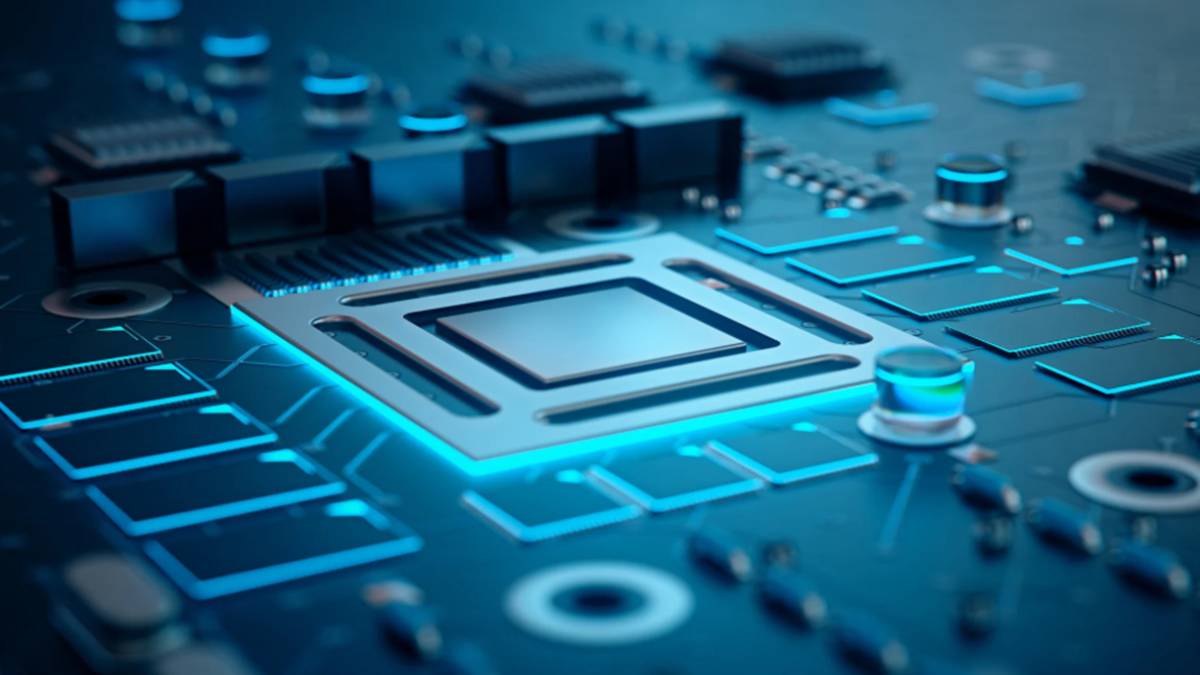
Supercomputers are powerful machines that can perform many calculations quickly.
They help researchers study topics such as weather, health, space and farming.
India began a mission in 2015 to build more of its own supercomputing technology.
The article says the country had 40 supercomputers delivering 68 PF as of September 2026.
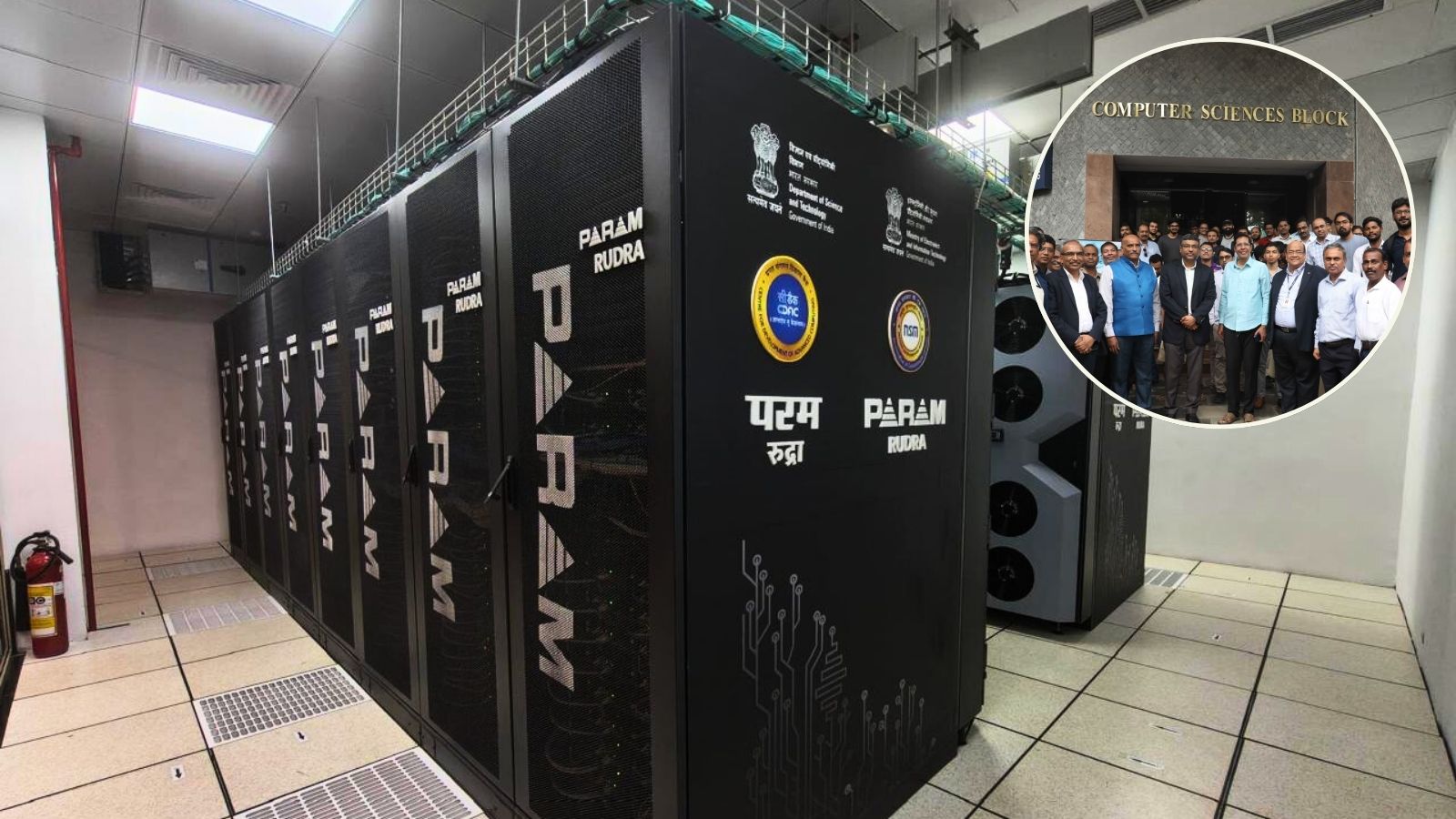
The mission has developed servers, software and networking technology in India.
It also reports that thousands of Rudra servers are already in use, with more being made.
Building these systems at home can reduce reliance on imported equipment and foreign supply chains.
However, India still imports high-end computer chips from global companies.

India launched the National Supercomputing Mission in April 2015 with an outlay of about Rs 4,500 crore.
The article says India had 40 supercomputers delivering 68 PF as of September 2026.
The mission developed Rudra servers and domestic software, cooling and networking technologies.
The article reports 6,000 Rudra servers deployed and another 1,500 under manufacturing as of September 2026.
India has domestic processor projects, but still imports high-end chips from companies including NVIDIA, AMD, Intel and TSMC.
- Who
- The Government of India and institutions involved in the National Supercomputing Mission.
- What
- India is building domestic supercomputers, servers, software and networking technology to reduce reliance on foreign supply chains.
- Where
- India.
- When
- The National Supercomputing Mission began in April 2015; figures cited in the article are as of September 2026.
- Why
- To strengthen domestic computing capabilities and ease exposure to foreign supply bottlenecks and export-control risks.
Domestic Capability
Continuing Foreign Dependence
How self-reliant is the system?
Domestic Capability
The article says India has developed Rudra servers, software, cooling and networking technologies to build a domestic supercomputing ecosystem and reduce supply-chain vulnerabilities.
Continuing Foreign Dependence
The article notes that India still imports high-end semiconductor chips from NVIDIA, AMD, Intel and TSMC, leaving an unresolved area of foreign dependence.
Key facts
- Mission launch
- April 2015
- Mission outlay
- About Rs 4,500 crore
- Supercomputer network
- 40 supercomputers delivering 68 PF as of September 2026, according to the article
- Rudra servers deployed
- 6,000 as of September 2026
- Rudra servers under manufacturing
- 1,500 as of September 2026
- Chip imports cited
- High-end chips from NVIDIA, AMD, Intel and TSMC
- Institutional installations
- Infrastructure installed in 10 premier institutions, with final-stage installation work underway in five more at the time of the cited February press note
Quotes

Press Information Bureau
Indian government communications agency cited in the article.
“They help process massive datasets and support complex simulations across climate, space, healthcare and engineering. They also enable faster analysis and help researchers address increasingly complex scientific challenges. It is becoming essential for accelerating scientific discovery and technological innovation.”
 financialexpress.com
“partnerships between startups, academia and multinationals to make India a supplier of RISC-V SoC (System on Chips) for servers, mobile devices, automotive, IoT and microcontrollers across the globe”
financialexpress.com
Sources
Related news

India Builds Sovereign AI Compute Pool Amid Rising GPU Costs

India’s Sovereign AI Strategy Requires Control Beyond Bigger Models

Astra Cybercity Plans $3 Billion Data Centre Investment in Maharashtra
Modi Pitches India as Trusted Hub for Chip Manufacturing
AI, localisation laws drive India’s data center boom
Modi Unveils India’s Semiconductor Push Amid Global Supply Risks

Emkay picks Syrma, Avalon in India's $850 billion datacentre boom
PARAM SHAKTI Supercomputing Facility Launched at IIT Madras
