2 weeks ago
Crocodile Brains Barely Changed for 100 Million Years, Scientists Say
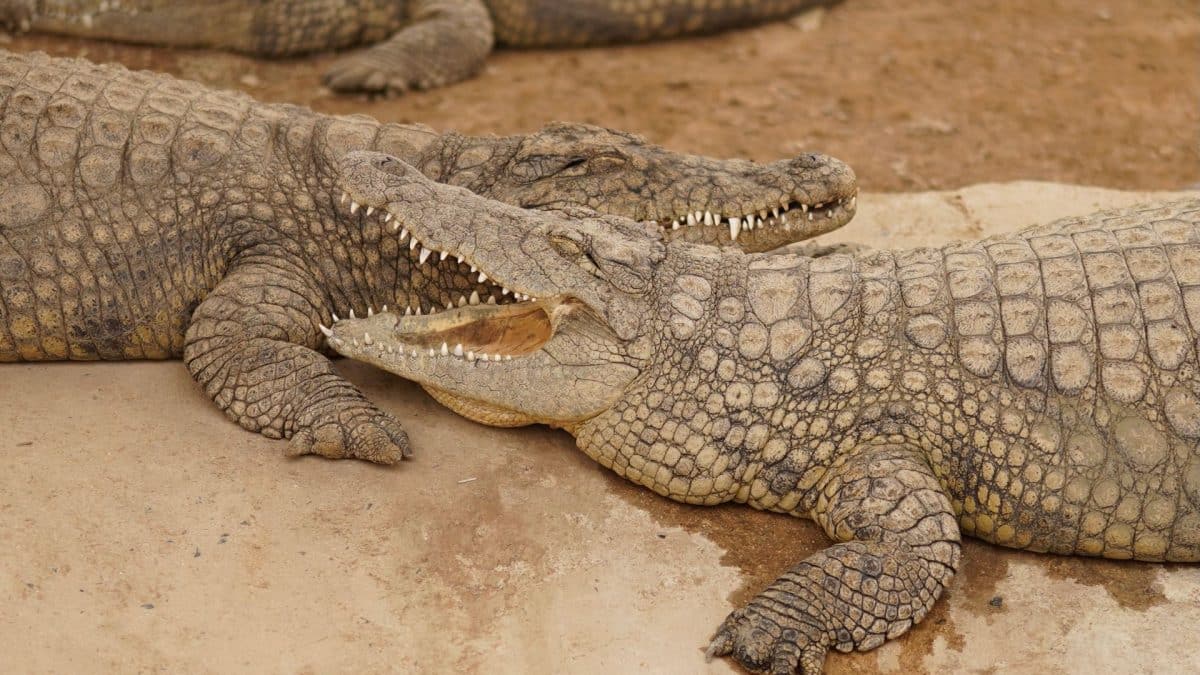
Crocodiles are very old animals.
They lived on Earth even before the dinosaurs went away.
A long time ago, a giant asteroid hit Earth and many animals disappeared, but crocodiles kept living.
Scientists wanted to know why crocodiles are so good at surviving.
They used special X-ray machines called CT scanners.
These machines let them look inside the skulls of 43 different kinds of crocodiles, both ones alive today and ones that lived long ago.
They found that crocodile brains have not changed very much in 100 million years.
Even though crocodiles look different on the outside, their brains look almost the same.
Scientists think this is because crocodiles found a really good brain design a long time ago, and they did not need to change it.

High-resolution CT scans of 43 living and extinct crocodilian species revealed a brain design that barely changed over about 100 million years.
The study, led by Paul Burke of the Swedish Museum of Natural History, was published in the Journal of Anatomy.
Crocodilian brain and sensory anatomy stayed stable even as skull shapes diversified considerably.
Internal braincase and inner ear structures helped researchers tell closely related species apart and resolve previously unclear relationships.
Long, narrow snouts evolved independently multiple times across crocodylian history, a case of convergent evolution.
- Who
- Researchers led by Paul Burke, a postdoctoral researcher at the Swedish Museum of Natural History.
- What
- A CT-scan study found crocodilian brain and sensory anatomy stayed stable for about 100 million years even as skull shapes and snouts diversified.
- Where
- Led at the Swedish Museum of Natural History, using fossils found on nearly every continent.
- When
- Recently published in the Journal of Anatomy; the article does not specify an exact publication date.
- Why
- To explain crocodilian resilience over deep time and to clarify evolutionary relationships between extinct species.
Key facts
- Study focus
- Evolution and stability of the crocodilian brain
- Lead researcher
- Paul Burke
- Institution
- Swedish Museum of Natural History
- Species examined
- 43 living and extinct crocodylians
- Method
- High-resolution CT scanning
- Journal
- Journal of Anatomy
- Timescale of brain stability
- About 100 million years
- Key finding
- Long narrow snouts evolved independently multiple times (convergent evolution)
Sources
Related news
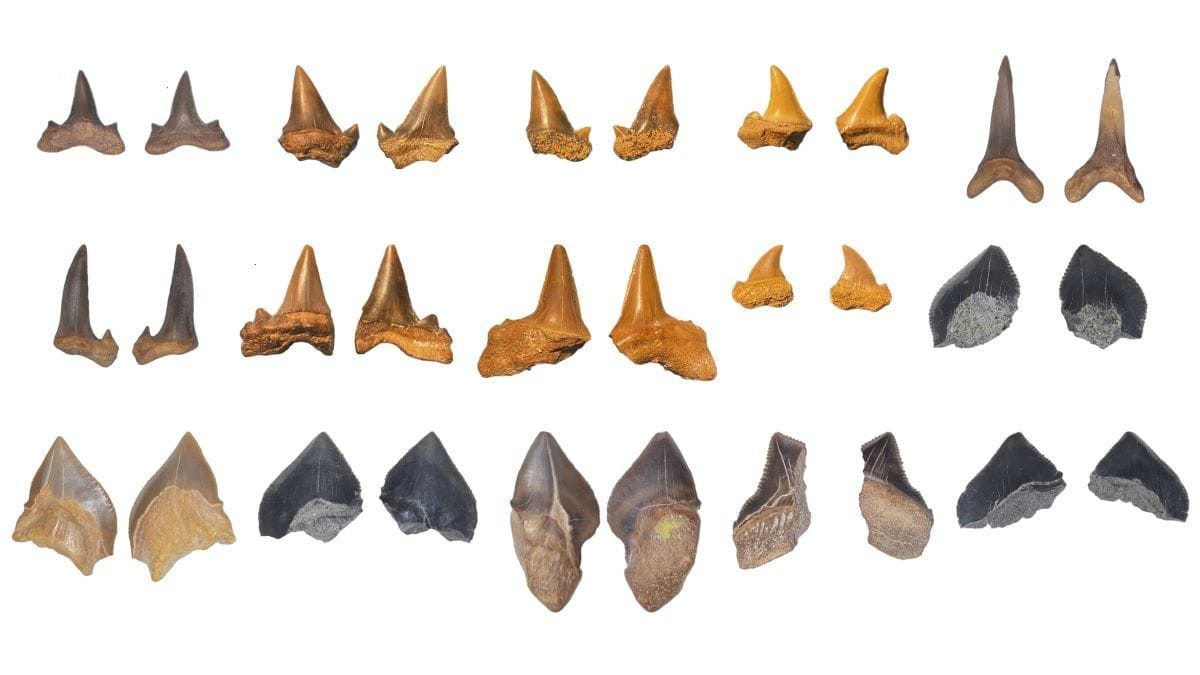
Egyptian Shark Graveyard Reveals Ancient Cretaceous Marine Ecosystem

Dog brains evolved to understand humans, Harvard study finds

Egypt’s Desert Reveals Ancient Shark Graveyard From Cretaceous Sea

Narwhal Tusk’s Opposing Spirals Reveal Secrets of Stability