1 week ago
Taiwan Charges Nine Over Alleged Illegal AI Server Exports
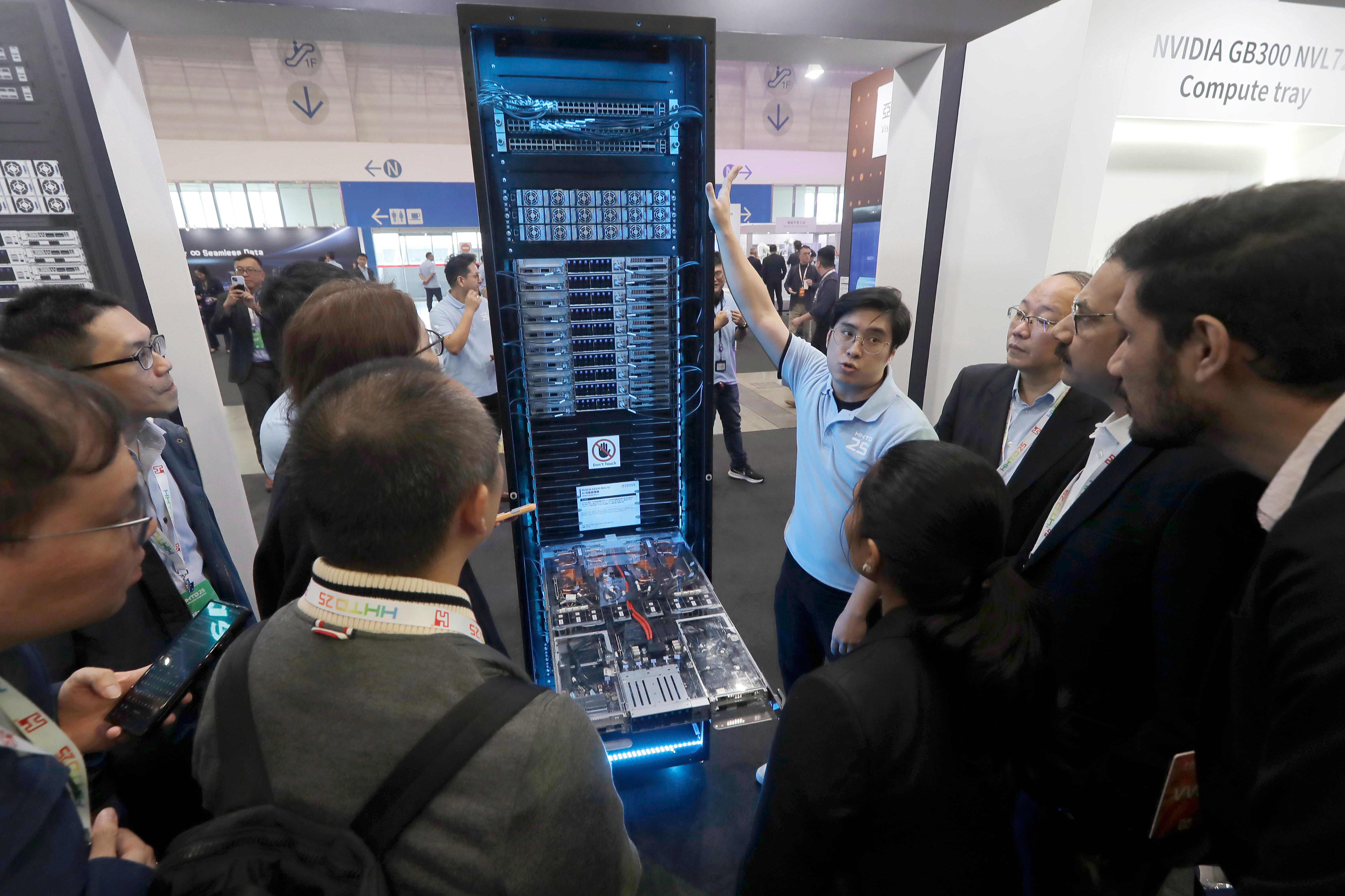
Taiwan prosecutors charged nine people over allegedly sending powerful AI servers to China.
The servers used B300 graphics processors that prosecutors said were banned from sale to China.
The group allegedly used false documents to say the machines would be used at a facility in Taiwan.
Prosecutors said 130 servers were ordered from Super Micro.
They said 74 reached Chinese customers, using several shipping routes.
The other 56 were stopped by Taiwan customs before leaving the island.
Prosecutors said the people involved knew the companies had strict export rules.
NVIDIA and Super Micro said they were cooperating with Taiwanese authorities and working on export compliance.

Taiwan prosecutors charged nine people, including one NVIDIA employee and two Super Micro employees, over alleged illegal exports to China.
The case involved 130 B300 AI servers ordered from Super Micro and allegedly designated for installation at a Taiwan facility.
Prosecutors said 74 servers reached Chinese customers through direct shipments and routes via Indonesia, Japan and Hong Kong.
Taiwan customs officials stopped the remaining 56 servers after detecting irregularities in a planned shipment to Japan.
Eight defendants face breach-of-trust and document-forgery charges, while a ninth faces charges related to alleged fund siphoning.
- Who
- Taiwan prosecutors charged nine people, including one employee of NVIDIA and two employees of Super Micro's Taiwan unit.
- What
- They allege that the defendants used false documents and other methods to illegally export high-end AI servers containing B300 processors to China.
- Where
- The case involved Taiwan, China, Indonesia, Japan and Hong Kong; the servers were allegedly ordered for a facility in Taiwan.
- When
- The indictments were announced on August 24; the article does not specify the year for the announcement.
- Why
- Prosecutors said the defendants sought enormous profits while circumventing export controls and misrepresenting the servers' intended end users.
Prosecutors' allegations
Companies' responses
Whether export rules were circumvented
Prosecutors' allegations
Taiwan prosecutors allege that the defendants colluded, falsified end-user documents and used multiple routes to evade export restrictions on B300 servers.
Companies' responses
NVIDIA and Super Micro did not admit wrongdoing in the statements reported. NVIDIA said it would work with Taiwan authorities, and Super Micro said the arrests followed its cooperation with authorities.
Responsibility for the alleged shipments
Prosecutors' allegations
Prosecutors said the defendants knew both companies had rigorous export controls and acted for enormous profit, increasing compliance costs and damaging Taiwan's international image.
Companies' responses
Super Micro said the two arrested employees were former employees and emphasized that it would continue enhancing its export-compliance program.
Company compliance
Prosecutors' allegations
Prosecutors allege that company procedures were bypassed through false paperwork and other arrangements, including a Japanese company and fake websites.
Companies' responses
Super Micro described its export-compliance program as robust and said it would continue strengthening it; NVIDIA said it would help resolve the allegations.
Key facts
- People charged
- Nine people were charged: eight with breach of trust and document forgery, and one in a related alleged fund-siphoning case.
- Servers ordered
- The alleged scheme involved 130 B300 servers ordered from Super Micro.
- Servers delivered
- Prosecutors said 74 servers reached Chinese customers: 50 through Indonesia, 16 directly to China, and eight through Japan and Hong Kong.
- Servers stopped
- Taiwan customs stopped the remaining 56 servers during a planned shipment to Japan.
- Alleged methods
- Prosecutors alleged the use of false end-user documents, fake websites and a company established in Japan.
- Export controls
- United States restrictions since 2022 require licenses for the export or sale of certain advanced AI semiconductors to China.
- Company responses
- NVIDIA said it would work with Taiwan authorities, while Super Micro said it was cooperating and would strengthen its export-compliance program.
Quotes
Patrick Rutherford
Nvidia spokesperson
“We will work with the Taiwan authorities to help them resolve the allegations as quickly as possible”
 deccanchronicle.com
Sources

Related news
US examines how China rents Nvidia chips it cannot buy
US Moves to Close Cloud Loophole for Banned AI Chips

Nvidia Denies Report of China AI Chip Shipments
Nvidia Develops China-Specific AI Chip Amid Export Restrictions
Small Nvidia H200 Shipments Reach China Amid Export Restrictions

Former Google Engineer Sentenced for Stealing AI Infrastructure Secrets