2 weeks ago
US examines how China rents Nvidia chips it cannot buy
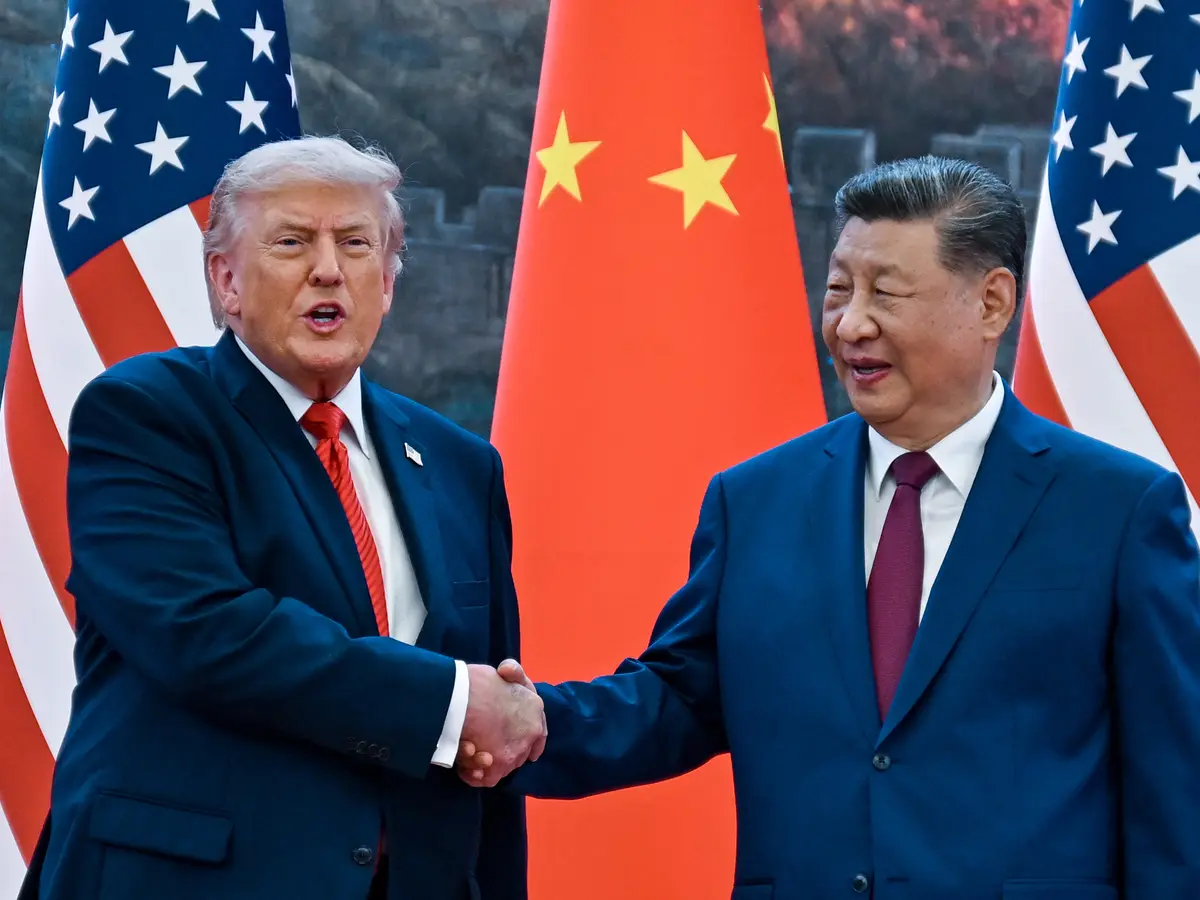
The United States made a rule that says companies cannot sell the most powerful computer chips to China.
These chips are like tiny brains for computers and help make artificial intelligence (AI) smart.
But some clever companies found a different way.
Instead of buying the chips, they rent them from data centers in other countries.
Since the chips never move, the old rule does not clearly apply.
Now, the US government is studying exactly how this renting works.
They noticed that Chinese labs are building huge AI programs, almost as if they had the best chips.
In July, six of the top ten AI models on world leaderboards came from China.
The government is trying to decide if renting computer power should also be against the rules.
It is a hard puzzle, because stopping internet use is much harder than stopping boxes from being shipped.

The Commerce Department's Bureau of Industry and Security is reviewing how Chinese AI firms access Nvidia chips by renting computing capacity located in other countries.
The review was triggered by Chinese laboratory results showing access to cutting-edge hardware despite export restrictions, with six of the top ten leaderboard models coming from China in mid-July.
Moonshot AI released Kimi K3 on July 27, a 2.8-trillion-parameter model described as the largest ever published as an open download.
The White House accused Moonshot AI in July of accessing banned Nvidia GB300 servers in Thailand.
Nvidia CEO Jensen Huang met Commerce Secretary Howard Lutnick in late July amid scrutiny of potential violations involving Nvidia chip exports to China.
- Who
- The US Commerce Department's Bureau of Industry and Security, Chinese AI firms such as Moonshot AI, Alibaba, DeepSeek and ByteDance, and Nvidia.
- What
- Washington is examining how Chinese AI companies use Nvidia chips by renting computing capacity in other countries, bypassing export controls written for physical shipments.
- Where
- Washington, D.C., with Chinese firms reportedly accessing computing capacity in third countries, including Thailand.
- When
- The review surfaced after technical results in mid-to-late July; Kimi K3 was released on July 27 and Jensen Huang met Howard Lutnick in late July.
- Why
- Chinese laboratories published results indicating access to advanced hardware despite export controls, exposing gaps in rules written around the physical movement of goods.
US regulators
Nvidia and hardware industry
Effect of export controls on China's AI progress
US regulators
Export controls are needed to slow China's access to advanced American hardware, and loopholes such as renting overseas compute must be closed.
Nvidia and hardware industry
Nvidia argues export controls do not eliminate demand — they redirect it toward domestic Chinese alternatives, accelerating the self-sufficiency the controls are meant to delay.
Regulating remote access to compute
US regulators
Renting compute in third countries is a loophole that warrants regulation, including verifying the nationality and ownership of cloud customers worldwide.
Nvidia and hardware industry
Compute is now a service rather than a physical product, so controls written for physical goods will keep leaking and restricting remote access is impractical.
Key facts
- Agency conducting review
- Commerce Department's Bureau of Industry and Security
- Trigger
- Chinese lab results indicating access to cutting-edge hardware despite restrictions
- Kimi K3 release
- July 27; 2.8-trillion-parameter model, largest ever published as open download
- Mid-July leaderboards
- Six of top ten AI models were Chinese, including all of the top five
- Earlier May action
- Restricted export of Nvidia Rubin and Blackwell chips and AMD MI350x to Chinese-owned entities outside China
- Allegation
- White House accused Moonshot AI of accessing banned Nvidia GB300 servers in Thailand
- High-level meeting
- Jensen Huang met Commerce Secretary Howard Lutnick in late July
- Market note
- Acer, Asus and HP began using CXMT's DRAM in notebooks
Sources
Related news
US Moves to Close Cloud Loophole for Banned AI Chips
Taiwan Charges Nine Over Alleged Illegal AI Server Exports
Nvidia Develops China-Specific AI Chip Amid Export Restrictions
Small Nvidia H200 Shipments Reach China Amid Export Restrictions

Samsung, SK Hynix Test Chinese Chip Tools Amid Export Uncertainty
Nvidia AI Chip Price Hike Pushes Silicon Valley Toward Efficiency

Brazil fines TikTok owner ByteDance over teen data violations

Australian Teens Return to TikTok Despite Under-16 Ban

Rights Group Says Social Platforms Enabled Child Recruitment

Indian Markets End Lower Amid Global Uncertainty and Crude Pressures

TikTok Agrees to Pay $400 Million Over Children’s Privacy Violations