2 weeks ago
Why Natural Disasters Get Cute Names Like Dim-Sum, Dolphin
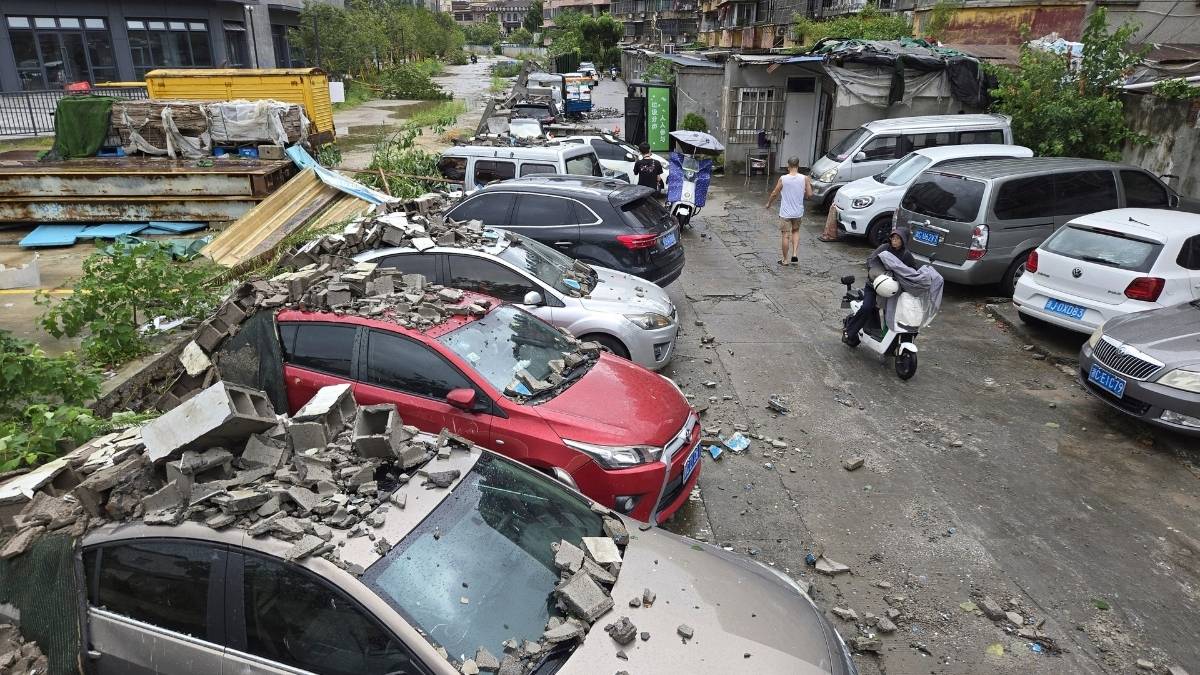
Natural disasters are big events like typhoons, hurricanes and earthquakes.
They get names so people can talk about them easily.
A typhoon called Dim-Sum was named after the tasty little Cantonese snacks called dim sum.
A typhoon called Dolphin was named to celebrate the white dolphins that live near Hong Kong.
Storms in the Atlantic Ocean usually get people's names, like Katrina.
A long time ago, all storms in the US were named after women.
Now they use both men's and women's names.
If a storm is very destructive, its name is retired and never used again.
Earthquakes, volcanoes, tsunamis and wildfires usually get names from places, not people.
Names of disasters are just a handy shortcut to help everyone stay safe and informed.

The World Meteorological Organization says naming storms makes warnings easier to communicate, avoids confusion when several storms are active, and improves public awareness and preparedness.
Typhoon Dim-Sum was named after Cantonese bite-sized dishes after Hong Kong invited the public to suggest culturally representative names; other suggestions included Gaeguri (frog) from North Korea and Hebi (snake) from Japan.
Typhoon Dolphin, a name contributed by Hong Kong as a homage to local Chinese white dolphins, made landfall in China's Zhejiang province on August 9.
Atlantic storms get people's names in A-Z order, were all female until the late 1970s, and have alternated between men's and women's names since 1979; destructive names like Sandy and Katrina are retired by regional committees.
Earthquakes, volcanoes, tsunamis and wildfires are named differently: by epicentre location and year, mountain names such as Mount St Helens, the earthquake that generated them, and nearby geographical features respectively.
- Who
- The World Meteorological Organization (WMO) and regional committees such as the ESCAP/WMO Typhoon Committee, along with the public in places like Hong Kong that suggest names.
- What
- An explainer on how natural disasters get their names, covering storm naming lists and public polls, plus location-based naming for earthquakes, volcanoes, tsunamis and wildfires.
- Where
- The western North Pacific and South China Sea, the Atlantic Ocean, Hong Kong, China's Zhejiang province, India, and the US.
- When
- Typhoon Dolphin made landfall on August 9; naming examples cited in the article span from 1953 to 2025.
- Why
- According to the WMO, naming storms makes warnings easier to communicate, avoids confusion when several storms are active, and improves public awareness and preparedness.
Key facts
- Naming bodies
- WMO regional committees; ESCAP/WMO Typhoon Committee for the western North Pacific and South China Sea
- Typhoon Dim-Sum
- Named after Cantonese bite-sized dishes; selected via a Hong Kong public poll
- Typhoon Dolphin
- Made landfall in China's Zhejiang province on August 9; name honours Chinese white dolphins
- Atlantic storm names
- People's names allotted in A-Z sequence
- US hurricane naming history
- All female names until the late 1970s; alternating men's and women's names since 1979
- Retired storm names
- Sandy and Katrina
- Purpose of naming (WMO)
- Easier warnings, avoids confusion, improves awareness and preparedness
- Non-storm disaster naming
- Earthquakes by epicentre and year; tsunamis by generating earthquake; wildfires by nearby locations; volcanoes by mountain names
Sources
Related news

Atlantic’s Next Tropical Storm Will Be Named Dolly

Typhoon Dolphin Disrupts Japan and China; Flights Face Cancellations
China Braces for Heavy Rain as Typhoons Narra, Saudel Approach
Typhoon Dolphin Forces Mass Evacuations Across Eastern China
China issues red alert as Typhoon Dolphin hits eastern coast
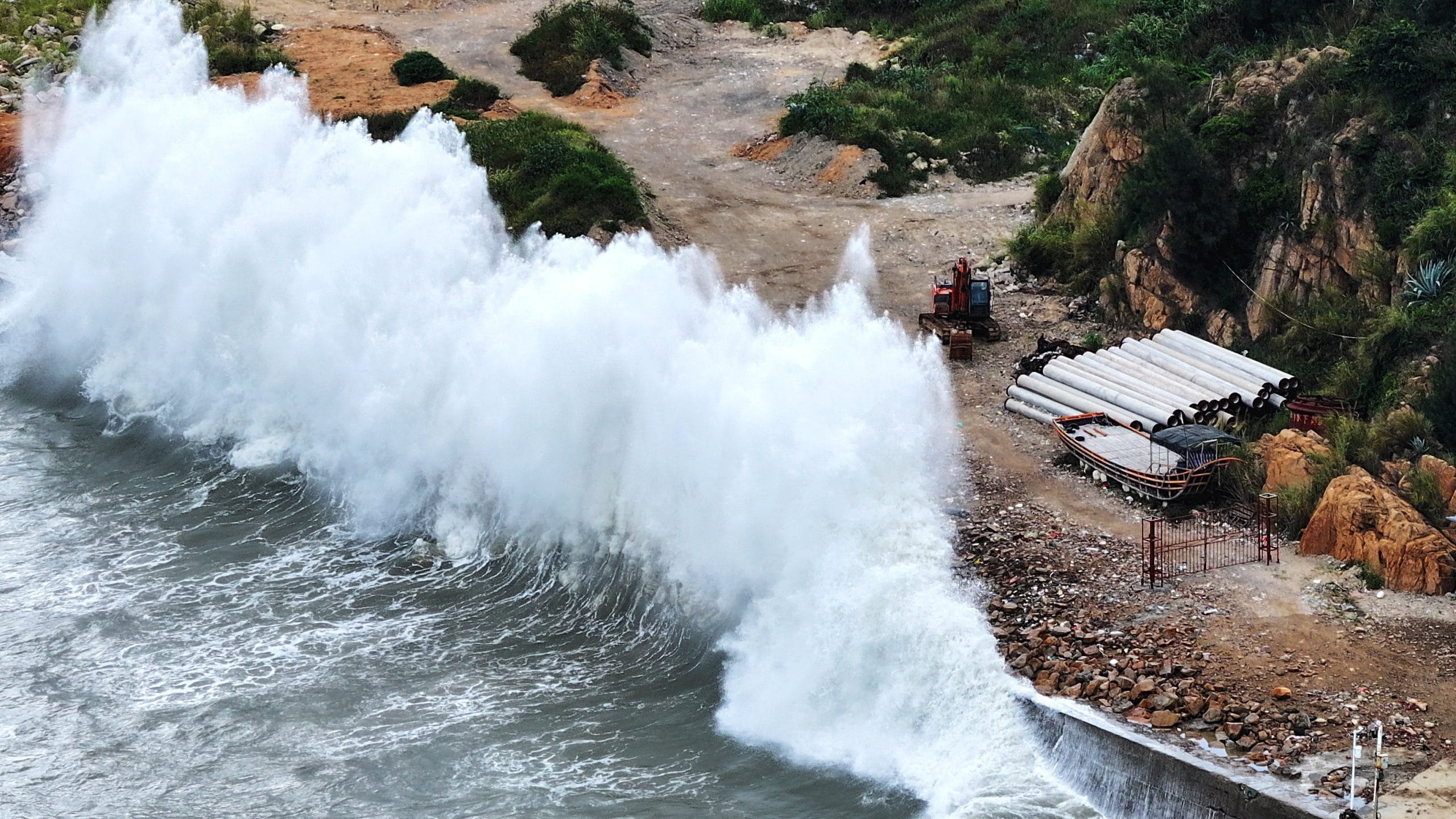
Typhoon Dolphin Hits China's Zhejiang: 1 Million Evacuated, Flights Cancelled