18 hrs ago
Pentagon Orders Immediate Testosterone Screening for Male Troops

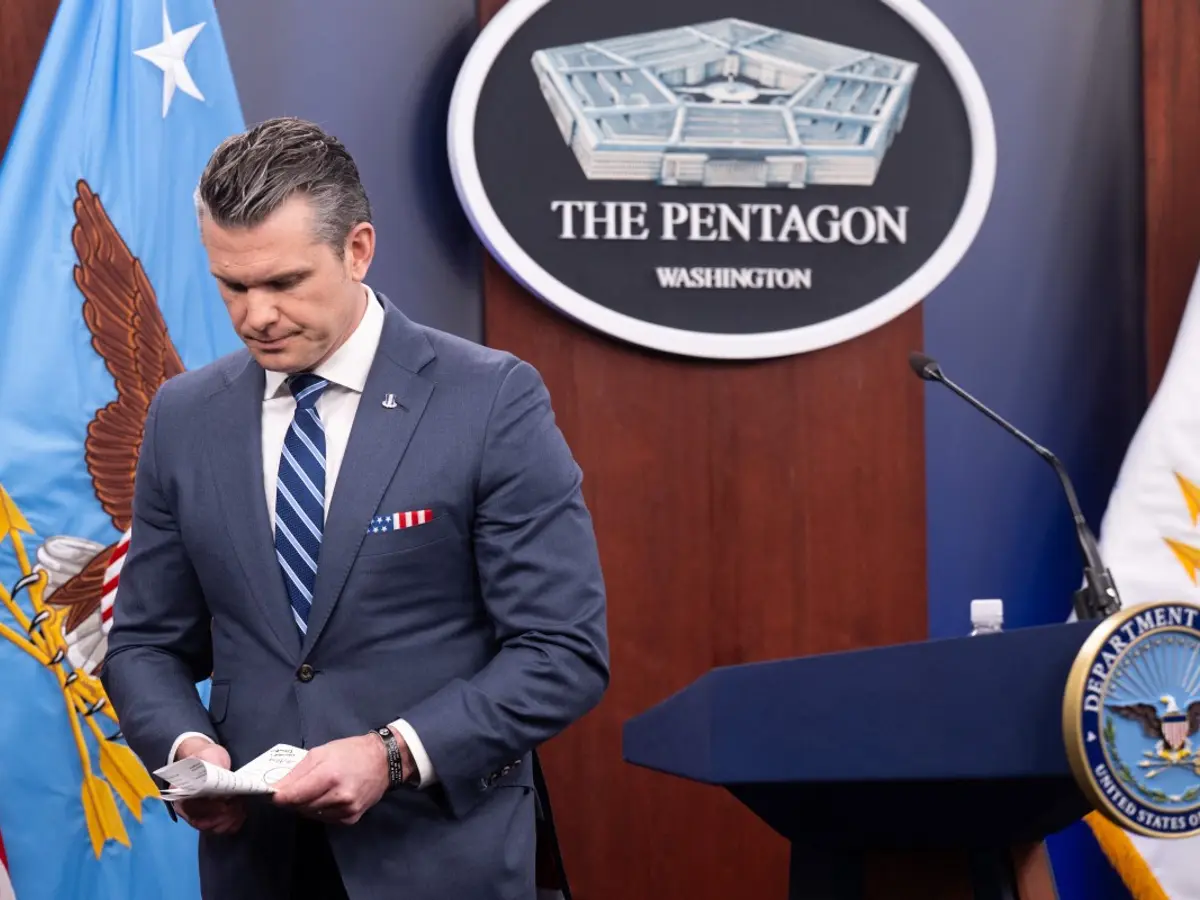
The Pentagon has created new health rules for male troops who are at least 30 years old.
These service members will receive a blood test for low testosterone every year.
Younger men can be tested if they ask or if a doctor sees possible symptoms.
Women in the military will not automatically receive the same blood test.
Instead, doctors will look for signs such as tiredness or changes in menstrual cycles.
The Pentagon says the checks could help troops stay healthy and ready for demanding work.
Doctors worry that testing many healthy people could lead to unnecessary treatment.
Testosterone treatment can have risks, including infertility and other side effects.
The United States Food and Drug Administration plans to discuss testosterone use at an expert meeting in September.

Active-duty and reserve male service members aged 30 and older must receive annual testosterone blood tests.
Men under 30 may be tested upon request or when doctors identify possible symptoms of low testosterone.
Female service members will not receive routine testosterone testing but will be evaluated for symptoms such as fatigue and disrupted menstrual cycles.
The Pentagon says the policy is intended to address hormonal and metabolic problems and improve long-term military readiness.
Medical professionals question whether broad testing is evidence-based and warn that inappropriate treatment could cause infertility and other side effects.
- Who
- The United States Department of Defense, under Defence Secretary Pete Hegseth, and active-duty and reserve service members.
- What
- The Pentagon has issued immediate guidelines requiring annual testosterone-deficiency screening for male service members aged 30 and older.
- Where
- Across the United States armed forces.
- When
- The policy takes effect immediately; the order was announced in July, and a United States Food and Drug Administration expert meeting is planned for September.
- Why
- The Pentagon says the policy will identify hormonal and metabolic problems and improve long-term combat readiness.
Medical Concerns
Military Readiness Rationale
Whether routine testing is justified
Medical Concerns
Medical professionals question whether screening large numbers of healthy service members is supported by sufficient evidence.
Military Readiness Rationale
The Pentagon says standardized screening can identify hormonal and energy-related problems affecting service members under demanding conditions.
Potential treatment risks
Medical Concerns
Doctors warn that treating low readings without considering symptoms and other clinical factors could cause unnecessary treatment, infertility, and other side effects.
Military Readiness Rationale
The Pentagon’s guidelines establish a standard approach for screening and treatment intended to support the physical condition and long-term readiness of troops.
Key facts
- Affected men
- Active-duty and reserve male service members aged 30 and older.
- Testing schedule
- Annual blood tests for testosterone deficiency.
- Men under 30
- Testing is available upon request or when doctors identify possible symptoms.
- Female service members
- No routine testosterone blood tests; doctors will assess symptoms including fatigue and disrupted menstrual cycles.
- Women’s treatment
- Doctors may prescribe testosterone off-label to postmenopausal women with unusually low sexual desire.
- Policy rationale
- The Pentagon links screening and treatment to hormonal and metabolic health and military readiness.
- Planned review
- The United States Food and Drug Administration is due to hold an expert meeting on testosterone use and related issues in September.
Sources
Related news

Pentagon Rescinds Testosterone Screening Guidance Pending Updates
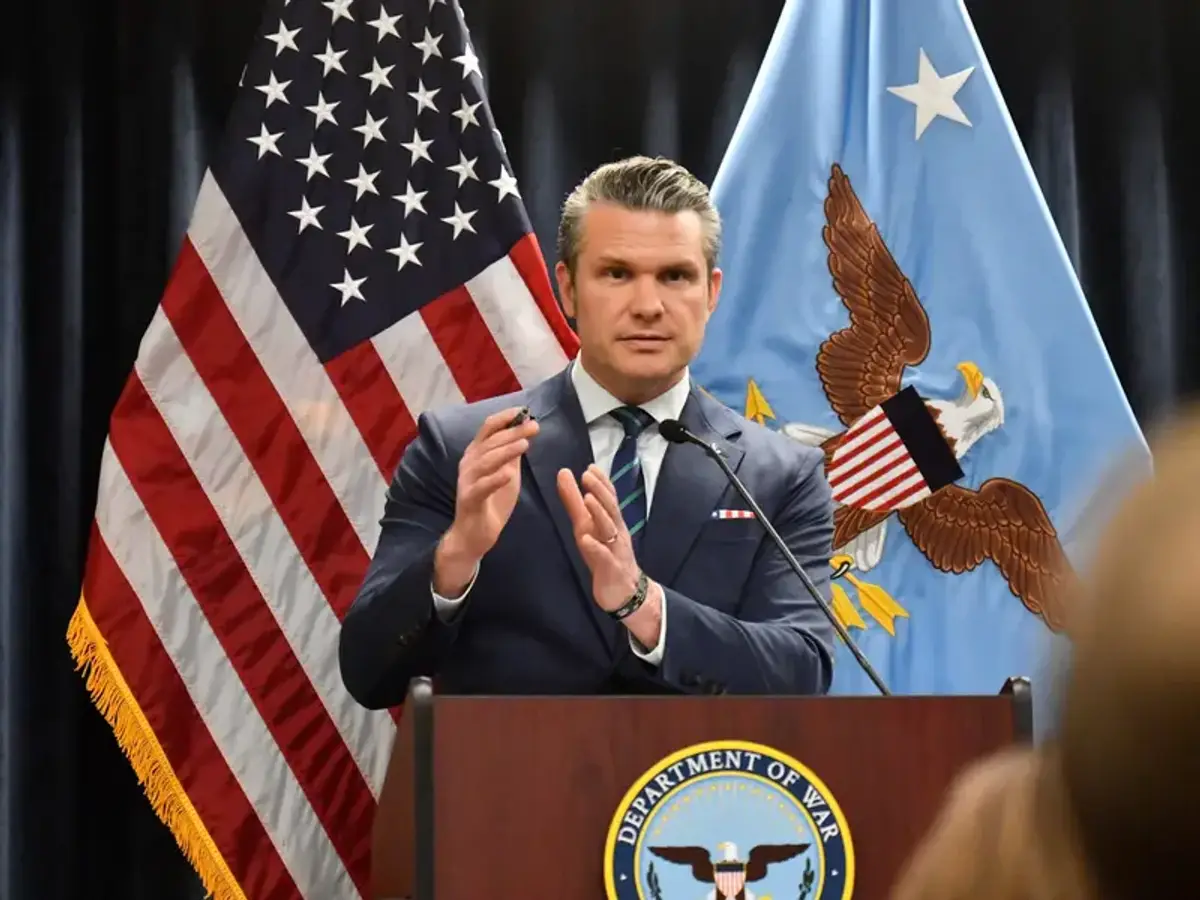
Hegseth’s Canadian Cadet Post Sparks Appearance Controversy
Pentagon Reports Decline in US Military Sexual Assault
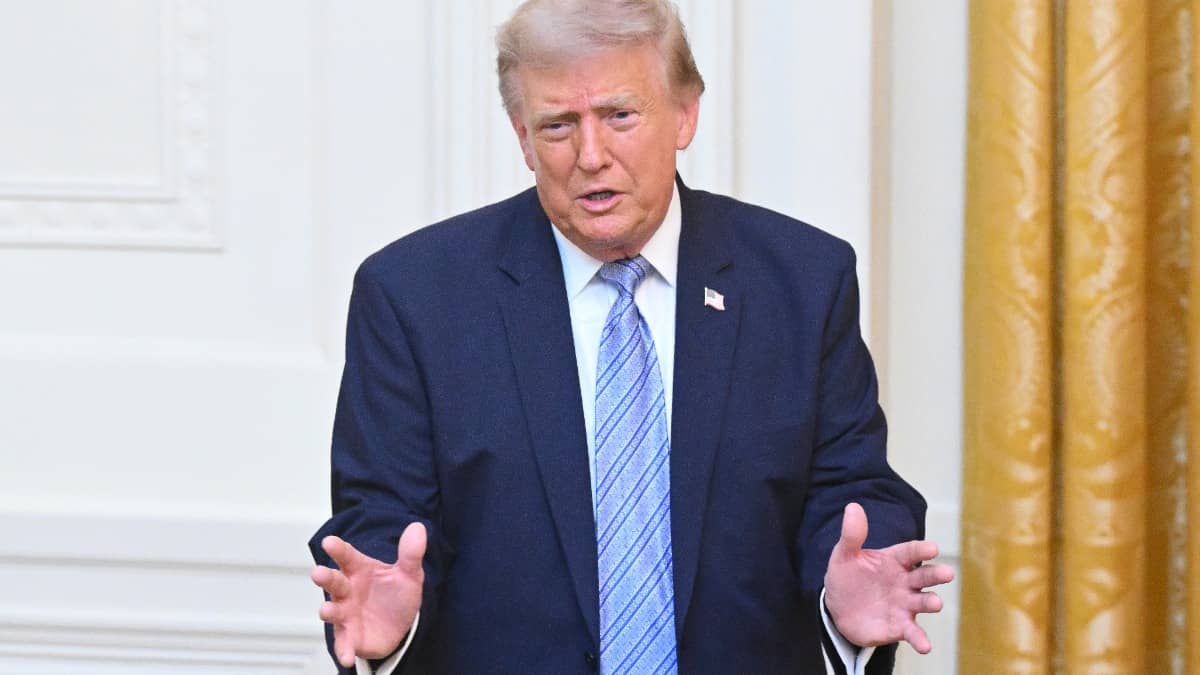
Trump denies 'fake' report of Hegseth clash over munitions shortages

India Weighs Year-Round Random Drug Tests for Pilots

Pentagon Warns Trump’s Iran War Could Strain U.S. Readiness
Trump’s Iran War Expands as US Troop Deployments Reach 2027

Anthropic Regains Favor With Trump Administration, Commerce Chief Says

Longer Middle East Deployments Strain U.S. Forces in Iran Conflict

Who Is Alejandro Betancourt, Trump’s Proposed Venezuelan Oil Partner?