3 days ago
Pentagon Warns Trump’s Iran War Could Strain U.S. Readiness

The article says there are concerns that a war with Iran could place too much pressure on U.S. troops for too long.
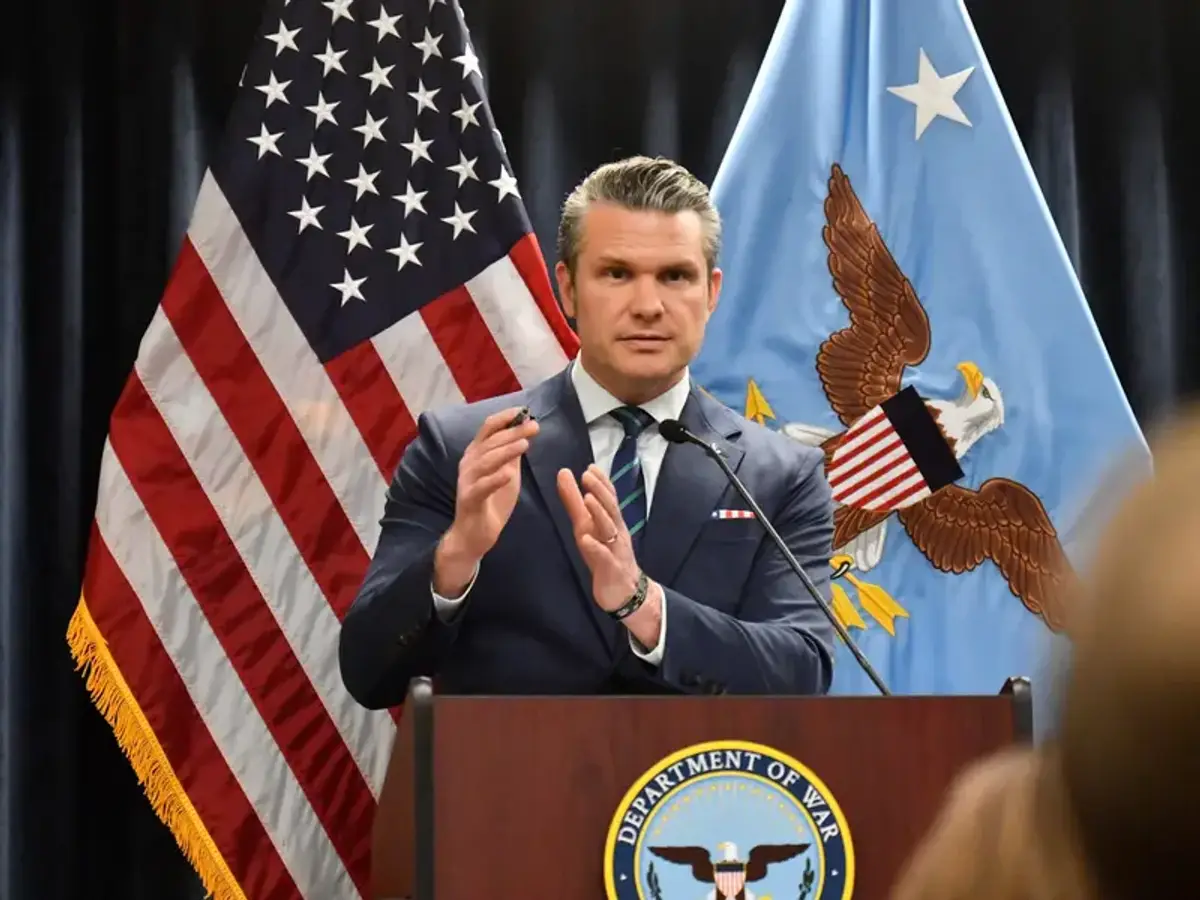
Pete Hegseth is talking with important military leaders about the situation.
The military says it is preparing forces to discourage more fighting.
It also wants to be ready to respond if needed.
At the same time, leaders want to keep the military prepared for other responsibilities.
Decisions about where troops go and how long they stay will depend on the current threats.
They will also depend on priorities set by the president and advice from senior military commanders.
The Pentagon said it would not explain its private decision-making process.

The article frames the Iran war as raising concerns about excessive demands on U.S. forces.
Secretary Pete Hegseth is working with military services, the Joint Staff, and combatant commanders.
The Pentagon says U.S. forces are being positioned to deter conflict and respond when required.
Officials say force commitments depend on threats, presidential priorities, and military advice.
The Department of War declined to discuss its internal operational processes.
- Who
- Secretary Pete Hegseth, U.S. military services, the Joint Staff, combatant commanders, and U.S. forces.
- What
- The Pentagon is assessing the scope and duration of U.S. force commitments amid concerns about military readiness.
- Where
- The statement concerns U.S. forces assigned to combatant commands; no specific location is given.
- When
- The articles do not specify a date or duration.
- Why
- To deter conflict, respond effectively when necessary, and maintain acceptable levels of readiness based on threats and strategic priorities.
Key facts
- Central concern
- The headline describes concern that the Iran war could demand too much from U.S. forces for too long.
- Military coordination
- Pete Hegseth is engaged with the Services, the Joint Staff, and combatant commanders.
- Stated objective
- U.S. forces are being postured to deter conflict and respond effectively when required.
- Readiness goal
- The Pentagon says force posture should maintain acceptable levels of readiness.
- Decision factors
- Force commitments are based on current threat assessments, presidential strategic priorities, and military advice.
- Operational detail
- The Department of War declined to discuss internal operational processes.
Quotes
Pentagon spokesperson Parnell
Pentagon spokesperson who provided the statement
“Decisions regarding the scope and duration of specific force commitments to any Combatant Command are made based on the current threat assessment, strategic priorities established by the President, and the advice of the Chairman of the Joint Chiefs of Staff and Combatant Commanders.”
 timesnownews.com
“Secretary Hegseth is actively engaged with the Services, the Joint Staff, and Combatant Commanders to ensure that U.S. forces are postured to deter conflict, respond effectively when required, and maintain acceptable levels of readiness.”
timesnownews.com
Sources
Related news
Trump confronts Hegseth over missile shortages, threatens leakers

Hegseth Faces Scrutiny Over Wife’s Pentagon Influence and War Leadership

Report Says Trump’s Iran War Drains U.S. Navy Funds
Pentagon Turmoil Deepens as Hegseth Tightens Grip on Military

Iran War Strains US Forces as Commanders Resist Deployment Extensions
Trump Says Iran War Ending 'Pretty Soon,' Rejects Missile Shortage

Anthropic Rebuilds Ties With Trump Administration After Pentagon Feud
Hegseth’s Canadian Cadet Post Sparks Appearance Controversy

G-20 Summit Disputes Draw Attention as Bond Markets Strain

Trump Nominates Combat Veteran Hung Cao as Permanent Navy Secretary