10 hrs ago
Taiwan Micron Strike Threat Could Raise Indian Device Prices
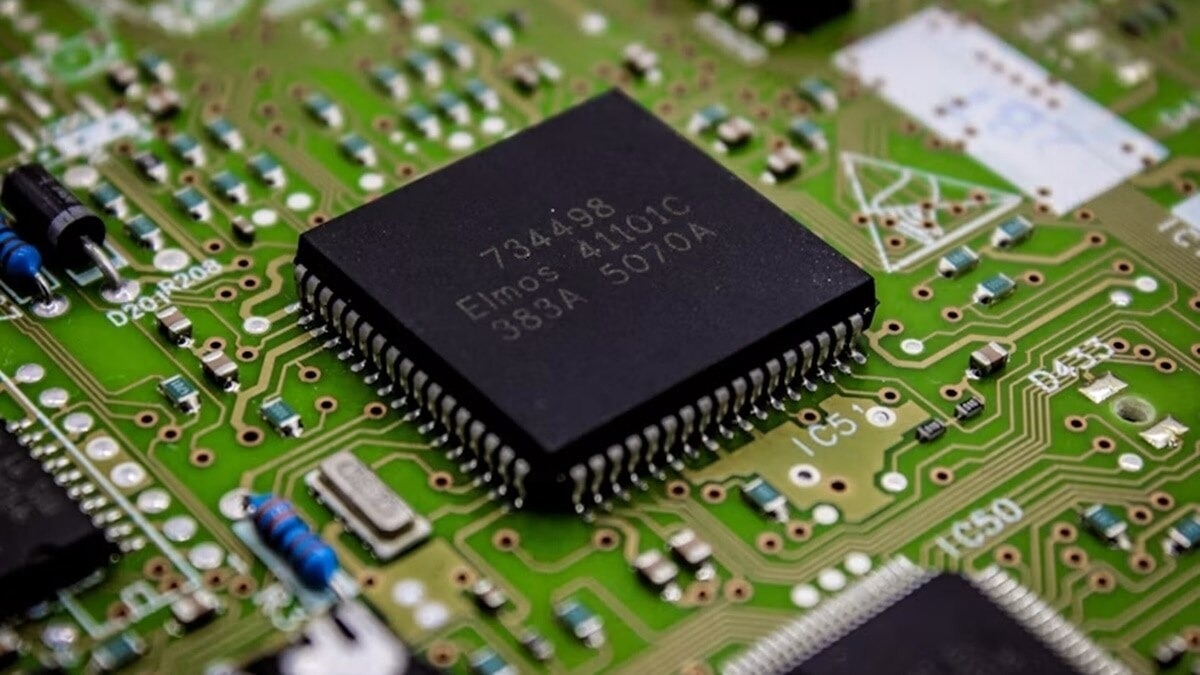
Workers at a Micron factory in Taoyuan, Taiwan, have voted to allow a strike, but they have not chosen a date.
They want their pay to be more closely connected to the company's profits.
Micron makes memory chips used in devices such as phones and computers.
If workers stop production for a long time, fewer chips might be available.
Buyers could then compete more strongly for the chips, pushing prices up first in the chip market.
Companies might later renegotiate their supply deals.
If the disruption continued for months, device makers could pass some extra costs on to customers in India.
Experts estimate that laptops and smartphones could become another 5% to 10% more expensive, but this is not certain.

A Micron union in Taoyuan has authorised strike action after 99% of voting members supported it, but no strike date has been announced.
The union is seeking performance-linked pay tied to company profits; Micron announced a fiscal 2026 rewards package that included a T$1 million cash bonus for employees in Taiwan.
Analysts say Taoyuan is an important DRAM production hub, and a prolonged stoppage could tighten global memory supplies.
Memory spot prices could react within days or weeks, with supply-contract renegotiations possible over the following two to three months.
If disruption lasts three to six months, experts estimate laptop and smartphone prices could rise by a further 5% to 10%; a strike authorisation alone does not mean production will stop.
- Who
- Micron Technology and its Taoyuan union, whose members authorised strike action.
- What
- A potential strike could disrupt memory-chip production and add to price pressure on devices.
- Where
- Micron's Taoyuan manufacturing operations in Taiwan; possible consumer effects discussed include India.
- When
- The union vote has taken place, but no strike date has been announced.
- Why
- The union is seeking a performance-linked pay structure tied to company profits.
Key facts
- Strike mandate
- 99% of union members who voted backed authorisation for strike action.
- Strike timing
- No date has been announced; negotiations over union demands continue.
- Micron reward package
- The fiscal 2026 package included a T$1 million cash bonus for employees in Taiwan.
- Potential price effect
- Experts estimate a prolonged disruption could add 5% to 10% to laptop and smartphone retail prices.
- Possible timeline
- Spot-market effects could appear within days or weeks; contract renegotiations could follow over two to three months.
- Existing price increases
- Fab Economics says laptop and PC prices rose 20% to 30% over the last few years, while budget and mid-range smartphones rose 15% to 25%.
- Storage price increases
- Fab Economics says standalone storage products such as SSDs and external drives rose 40% to 60% amid a NAND flash crunch.
Quotes
Danish Faruqui
CEO of Fab Economics.
“Taiwan represents 60% of Micron's global production capacity, and the Taoyuan facility is a key hub for DRAM and High-Bandwidth Memory (HBM). Any prolonged disruption would severely strain an already historically undersupplied memory market.”
 businesstoday.in
“A work stoppage at Micron’s Taoyuan facilities would pass through to retail price tags via a multi-tiered timeline, with the first waves hitting within days to a few weeks.”
businesstoday.in
Jeongku Choi
Research analyst at Counterpoint Research.
“What is unfolding in Taoyuan is a direct regional spillover from South Korea. Once Samsung and SK Hynix set the benchmark by sharing double-digit operating profits with fab floor workers, employee expectations across the Taiwan started shifting.”
businesstoday.in
Sources
Related news
Micron Taiwan Workers Reject Offer, Seek Larger AI-Era Bonuses
Laptop Prices Rise as RAMageddon Disrupts Budget Computing
Micron Taiwan Union Rejects 68-Month Offer, Demands AI Profits

India Tablet Shipments Fall as Memory Prices Rise
India's Smartphone Prices Rise as OnePlus Limits Increase

Amazon Says Great Indian Festival 2026 Is Now or Never

Samsung Forecasts Record Profit as AI Chip Demand Surges
Samsung Forecasts Record Profit as AI Chip Demand Surges

Korean Investors Lose $1.7 Billion on Leveraged Chip Bets

Taiwan Pulls Ahead of Korea in Global AI Market Trade