1 week ago
Kolkata Diners Raise Food Safety Concerns At Luxury Hotels

Some people in Kolkata say they were served unsafe or low-quality food at expensive hotels and restaurants.
They described rotten fish, bad chicken, flies and food that seemed too old.
A few diners said they became sick after eating there.
One person said her husband needed medical care after falling ill.
The complaints became part of a bigger discussion after food-safety raids in Bengaluru.
Diners want safety checks at all kinds of eateries, not only luxury hotels.
A chef explained that kitchens must carefully manage temperatures, storage, cooking and cleanliness.
The restaurant industry said businesses should follow safety rules and regulators should enforce them fairly.
The main message is that expensive food should still be fresh and safe to eat.

Kolkata diners described rotten seafood, undercooked dishes, flies and poor-quality buffet food at luxury hotels and restaurants.
Several diners said they became ill after eating seafood or meat, while one account involved a hospitalization for pancreatitis.
Concerns have intensified following food-safety raids on fine-dining establishments and luxury hotels in Bengaluru and elsewhere.
Chefs say kitchens must control temperatures, storage, expiry labels, pest control, hygiene checks and food-handler training.
The restaurant industry says stronger self-compliance must be paired with clear standards, consistent enforcement and due process.
- Who
- Kolkata diners, food vloggers, a chef, and restaurant-industry representatives raised concerns about food safety at luxury hotels and other eateries.
- What
- Consumers reported alleged food-safety and food-quality problems, including rotten seafood, undercooked food, flies and stale meat, prompting calls for broader inspections and stronger compliance.
- Where
- The reported incidents occurred at Kolkata hotels and restaurants, including venues on JBS Haldane Avenue and EM Bypass; the related crackdown took place in Bengaluru.
- When
- Accounts refer to incidents in June, last year and during last year’s Durga Puja; the wider debate followed recent food-safety raids in Bengaluru.
- Why
- The complaints reignited debate over whether expensive buffet and fine-dining operations are maintaining freshness, hygiene and food-safety standards.
Diners and Food-Safety Advocates
Industry and Kitchen Professionals
Accountability for unsafe food
Diners and Food-Safety Advocates
Diners said premium prices should guarantee basic food safety and described experiences involving spoiled food, insects, poor preparation and illness.
Industry and Kitchen Professionals
The restaurant industry emphasized self-compliance, food-safety training and accountability, while calling for credible enforcement and due process.
Scope of inspections
Diners and Food-Safety Advocates
Consumers and content creators said inspections should cover luxury hotels as well as restaurants, pubs, casual dining venues and every type of eatery.
Industry and Kitchen Professionals
Industry representatives did not oppose regulation but stressed that enforcement should operate under clear, consistent standards across the sector.
Affordable buffet deals
Diners and Food-Safety Advocates
Some diners questioned whether very low-priced unlimited buffets could involve reheated food or reduced freshness, though some accounts were based on second-hand reports.
Industry and Kitchen Professionals
The article does not provide a direct hotel response explaining buffet pricing or freshness practices; a chef instead described the controls professional kitchens should follow.
Key facts
- Reported sushi price
- One sushi festival cost Rs 2,000 plus taxes per guest.
- Reported buffet prices
- Diners cited buffets costing more than Rs 2,000, including one priced at Rs 3,000 plus taxes.
- Reported problems
- Accounts included rotten tuna, improperly prepared prawns, an aged lobster, flies, stale fish and spoiled chicken.
- Health impact
- One diner said she and her husband fell ill after eating seafood; she said he developed pancreatitis and was taken to a nursing home.
- Food-safety framework
- Chef Sujan Mukherjee highlighted HACCP critical control points, including receiving, storage, cooking, serving and buffet temperatures.
- Industry response
- Piyush Kankaria said the industry should improve self-compliance while regulators provide clear standards, consistent enforcement and due process.
- Hotel response
- Kolkata-based hotels contacted for comment did not respond, according to the report.
Quotes
Sujan Mukherjee
Chef with years of experience working in luxury hotels
“The most important points are called CCPs, critical control points, as per HACCP, which is Hazard Analysis and Critical Control Points. First is controlling the temperature — the receiving temperature of meat, fish, poultry and dairy, as per FSSAI guidelines. Then there is storage temperature, cooking temperature, serving temperature and buffet temperature. Pest control is also very important.”
 telegraphindia.com
“I’ve encountered undercooked food and, particularly with seafood, dishes that seemed to have been stored for far too long. Last year during Durga Puja, a luxury hotel served us prawns that hadn’t been properly deveined and what appeared to be an aged lobster. Both my husband and I fell ill afterwards and developed pancreatitis. He had to be rushed to a nursing home the very next day.”
telegraphindia.com
Sources
Related news

Bengaluru luxury hotels raided over rotten meat, expired food

Food Safety Officials Raid Five-Star Hotels in Bengaluru
FSSAI Notices Delhi Hotels Over Expired Food, Pests

Expired Food, Fungal Vegetables Found at Bengaluru's Star Hotels
FSSAI Flags Hygiene Violations at Two Delhi Five-Star Hotels
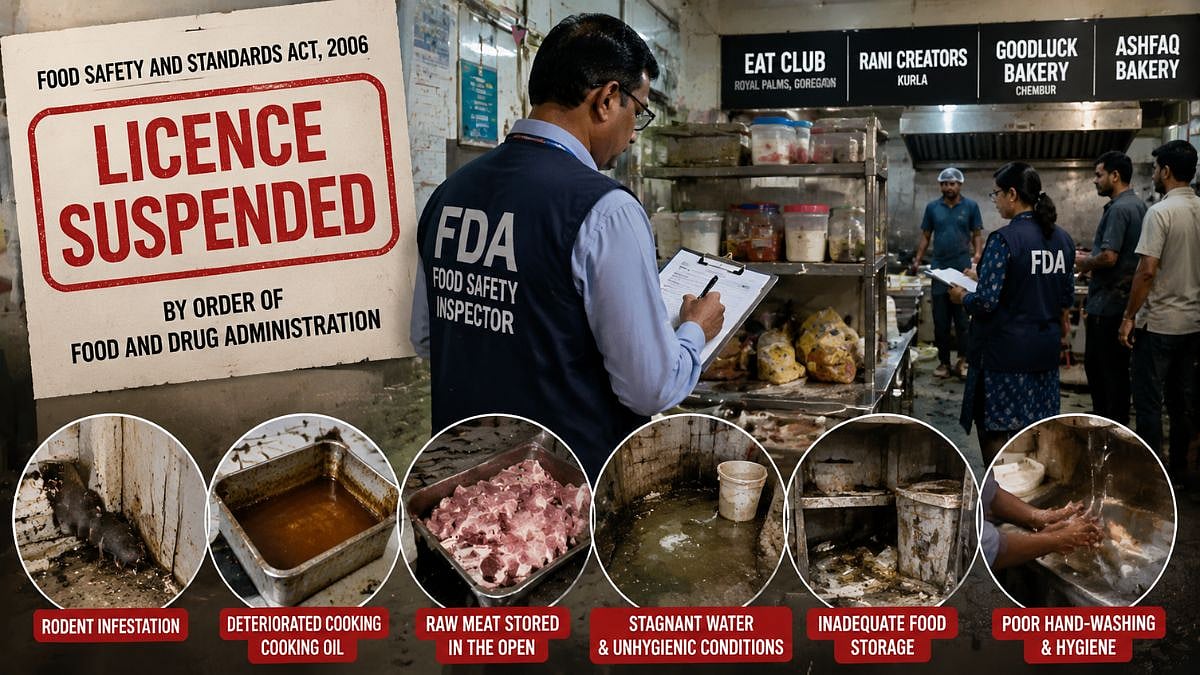
Mumbai FDA Suspends Two Food Licences, Flags Two More

India’s Proposed Food Warning Labels Face Health, Industry Backlash

FSSAI Chief Backs Mundhe’s Maharashtra Food Safety Drive

Egg prices surge 10-50% in six months, consumers concerned about adulteration
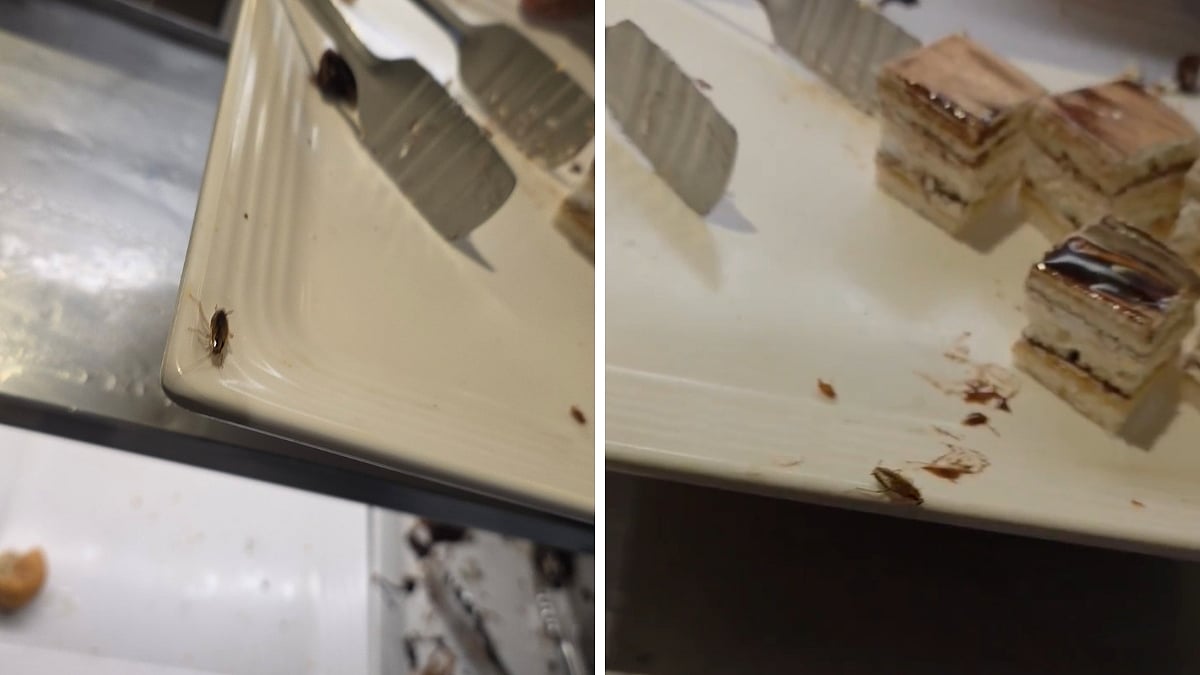
Cockroach Allegedly Spotted On Dessert Plate At Virar Restaurant