2 weeks ago
Maharashtra Plans Rs 4,000-Crore Mumbai 3.0 New Town
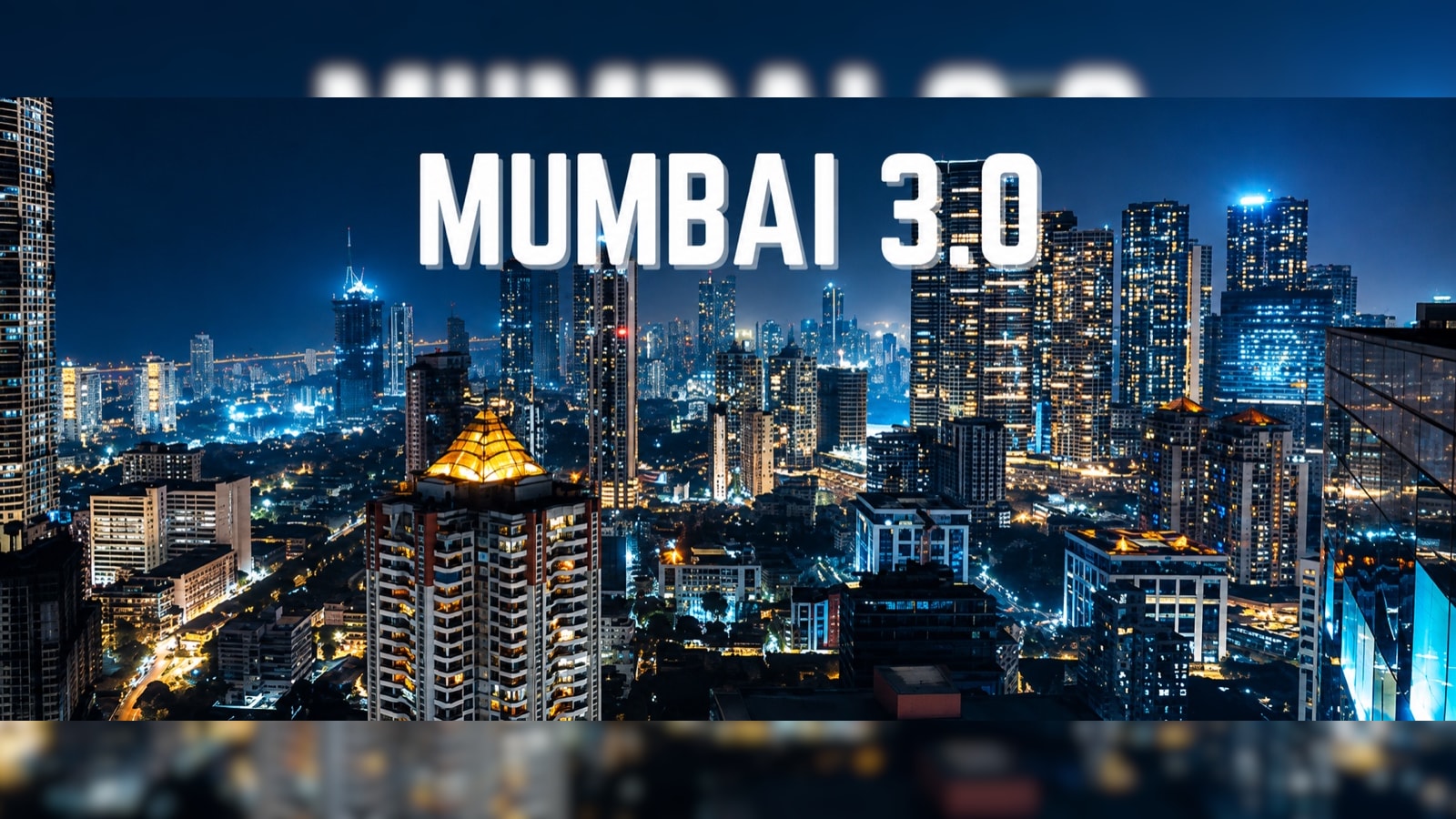
Maharashtra is planning a large new city called Mumbai 3.0.
It would be built beyond Navi Mumbai in the Raigad district.
The plan includes 124 villages and covers more than 323 square kilometres.
The city would have homes, offices, factories, schools, hospitals and technology businesses.
Roads, trains and the nearby airport are expected to make it easier to reach.
The project aims to create jobs near homes so people do not need to travel as far each day.
Some areas would remain green, with forests and rural settlements protected in the plan.
MMRDA has set aside Rs 4,000 crore for the project during 2026-27.
Building the first phase may take until the end of this decade, and the complete city would take much longer.

The proposed Karnala-Sai-Chirner New Town would cover 124 villages across 323.44 square kilometres in Raigad district.
The Mumbai Metropolitan Region Development Authority has been appointed the area's New Town Development Authority.
The project is planned as an economic and residential centre with technology, logistics, healthcare, education and housing districts.
Connectivity would come from Atal Setu, Navi Mumbai International Airport and several proposed or emerging transport corridors.
MMRDA has earmarked Rs 4,000 crore for the project in its 2026-27 budget, while land acquisition and planning are underway.
- Who
- The Maharashtra government and the Mumbai Metropolitan Region Development Authority are leading the proposed development.
- What
- A new planned urban centre called the Karnala-Sai-Chirner New Town, or Mumbai 3.0, is being proposed.
- Where
- The project would cover 124 villages across Uran, Panvel and Pen talukas in Raigad district, beyond Navi Mumbai.
- When
- MMRDA has allocated funds for 2026-27; the first phase could take shape toward the end of this decade.
- Why
- It is intended to address Mumbai Metropolitan Region pressures involving limited land, high property prices, housing, roads and infrastructure.
Development Advocates
Planning and Land Concerns
Economic and housing growth
Development Advocates
Supporters say Mumbai 3.0 could create jobs, homes, new commercial districts and new real-estate markets while easing pressure on Mumbai and Navi Mumbai.
Planning and Land Concerns
The project must ensure that investment produces a complete urban ecosystem rather than disconnected residential and commercial construction.
Infrastructure-led expansion
Development Advocates
Atal Setu, the airport and planned transport corridors are seen as creating strong conditions for a new economic centre.
Planning and Land Concerns
The development will need multimodal connectivity, social infrastructure and mixed-use neighbourhoods to remain liveable as it expands.
Land and environmental balance
Development Advocates
The plan includes green zones, forests and rural settlements alongside townships and industrial corridors.
Planning and Land Concerns
Land acquisition and compensation for owners across 124 villages are important unresolved implementation issues, with multiple compensation routes being offered.
Key facts
- Project name
- Karnala-Sai-Chirner New Town, also called Mumbai 3.0
- Planned area
- 323.44 square kilometres
- Villages included
- 124 villages across Uran, Panvel and Pen talukas
- Development authority
- Mumbai Metropolitan Region Development Authority
- Budget allocation
- Rs 4,000 crore for 2026-27
- Proposed investment commitment
- Brookfield has made a proposed $12 billion commitment covering areas including real estate, transit-oriented development, logistics parks, data centres and global capability centres.
- Land-use plan
- Around 104 square kilometres is planned for townships and industrial corridors, while other areas would retain green zones, forests and rural settlements.
Quotes
Vishal N Ratanghayra
Founder & CEO of Platinum Corp.
“Mumbai 3.0 has the potential to fundamentally reshape the growth trajectory of the MMR by moving beyond the traditional model of residential expansion and creating a new, integrated economic centre.”
 NDTV
NDTV
“Such large‑scale and infrastructure‑driven development can offer new micro‑markets, create employment opportunities, and generate housing needs, commercial needs and allied services demands.”
NDTV
Sources
Related news
MMRDA Plans Third Mumbai New City to Decongest Mumbai
Raj Thackeray and Shinde Clash Over Third Mumbai Plans
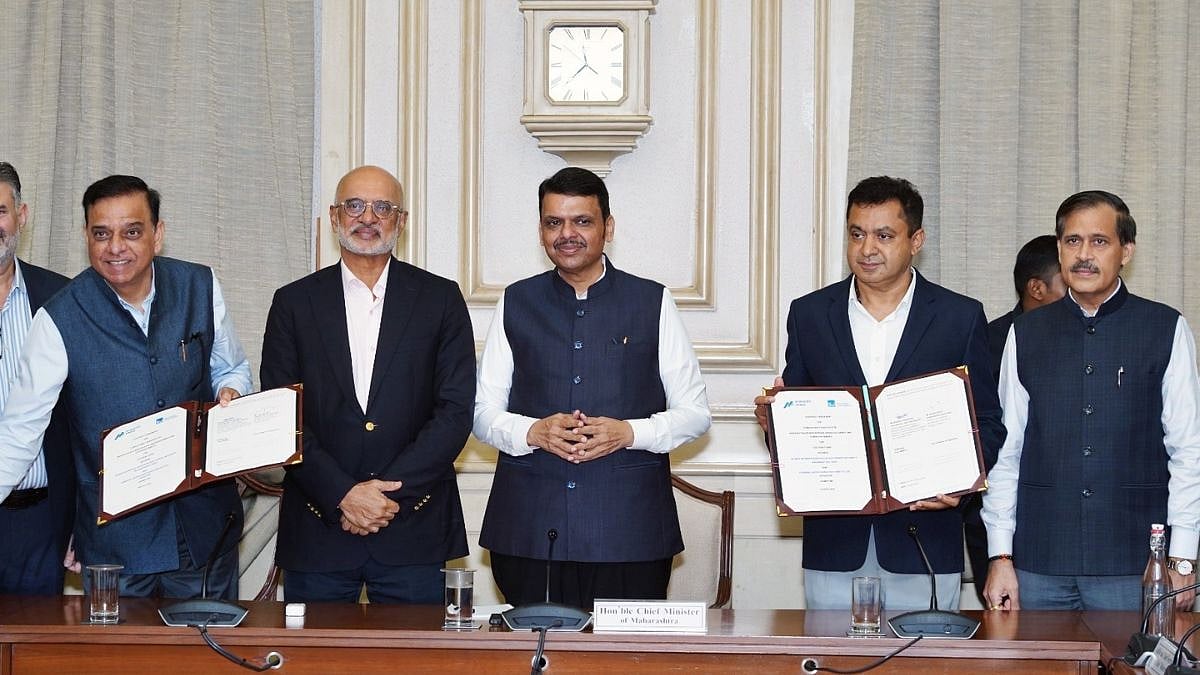
MMRDA, Surbana Jurong Sign Pact to Plan Mumbai 3.0 Master Plan

Maharashtra Plans Statewide Growth Beyond Mumbai, Shinde Says
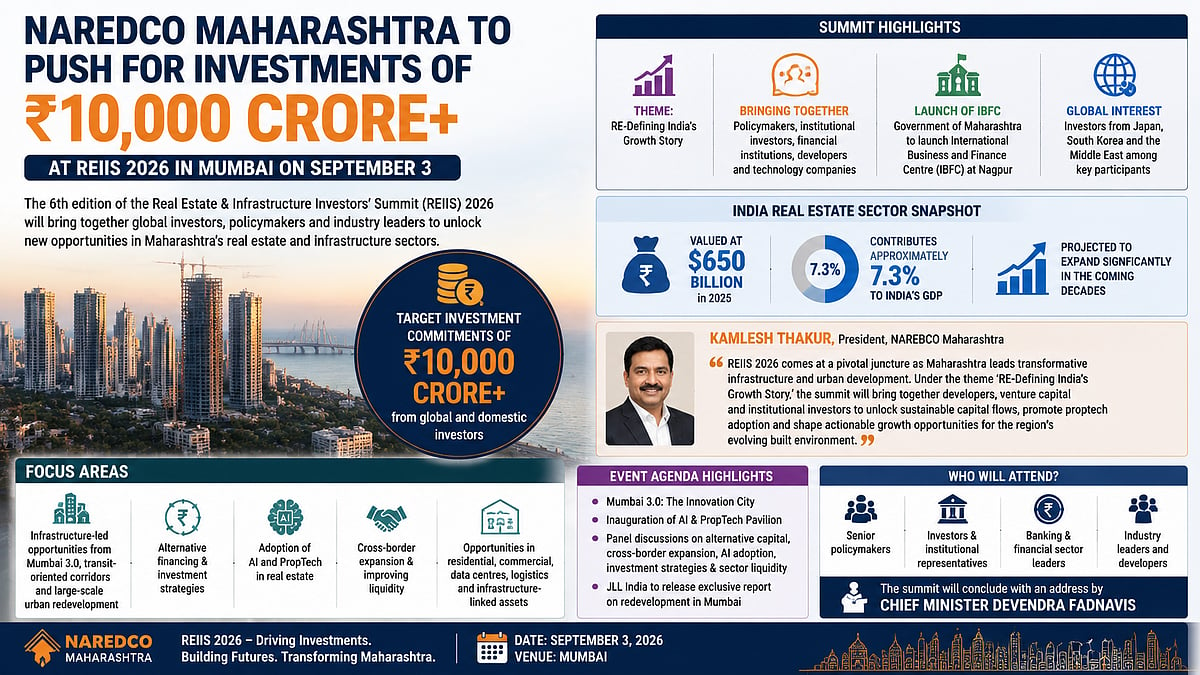
NAREDCO Maharashtra Seeks ₹10,000 Crore Real Estate Investment

CIDCO Details NAINA’s Airport-Led Planned Growth Vision For Region
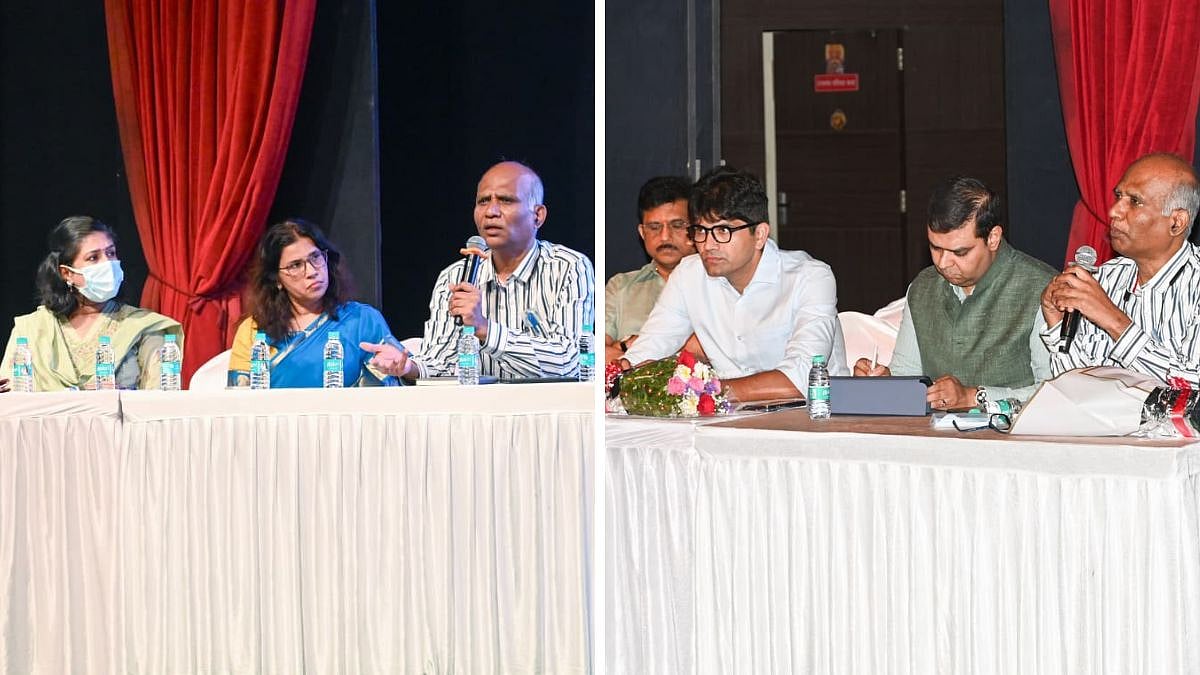
Mumbai Trains Election Officials Amid Statewide Electoral Roll Revision

Bombay Gymkhana Squash Finals Set After Junior Semifinals
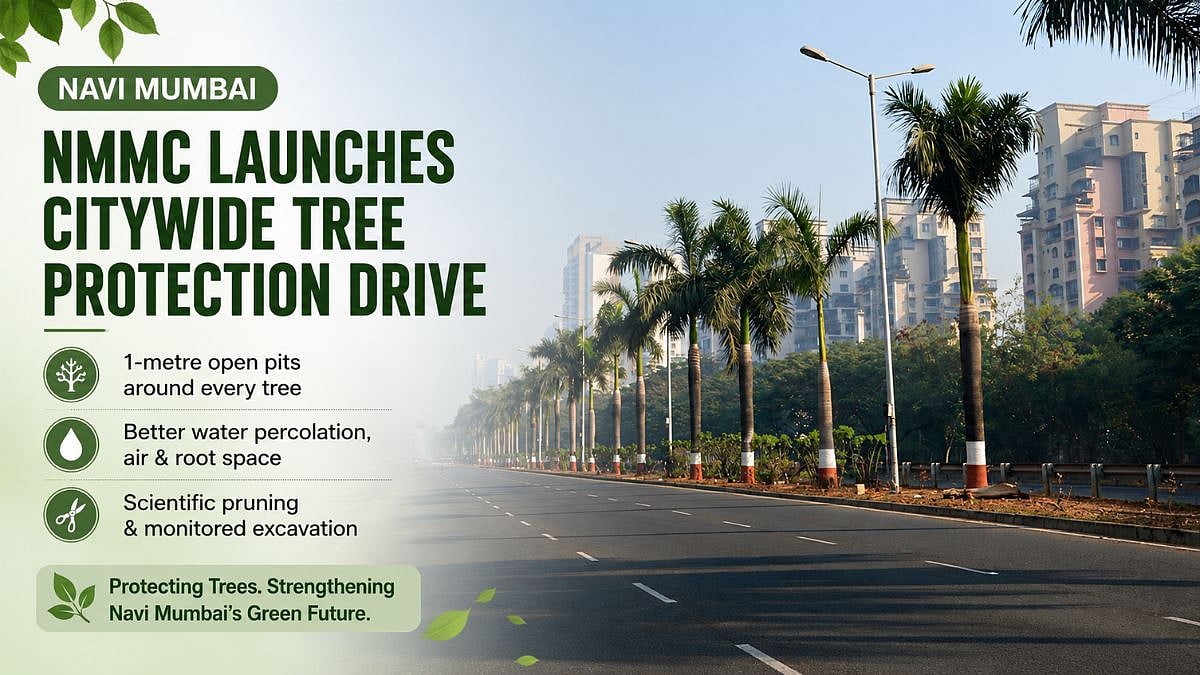
NMMC Launches Navi Mumbai Drive to Protect Existing Trees
Maharashtra Ministers Seek End to Jarange Patil’s Maratha Quota Fast
Bhiwandi JCB Operator Assault Spurs Warehouse Work Dispute Investigation