6 days ago
Jaggery Isn't Much Healthier Than Sugar, Nutritionists Say
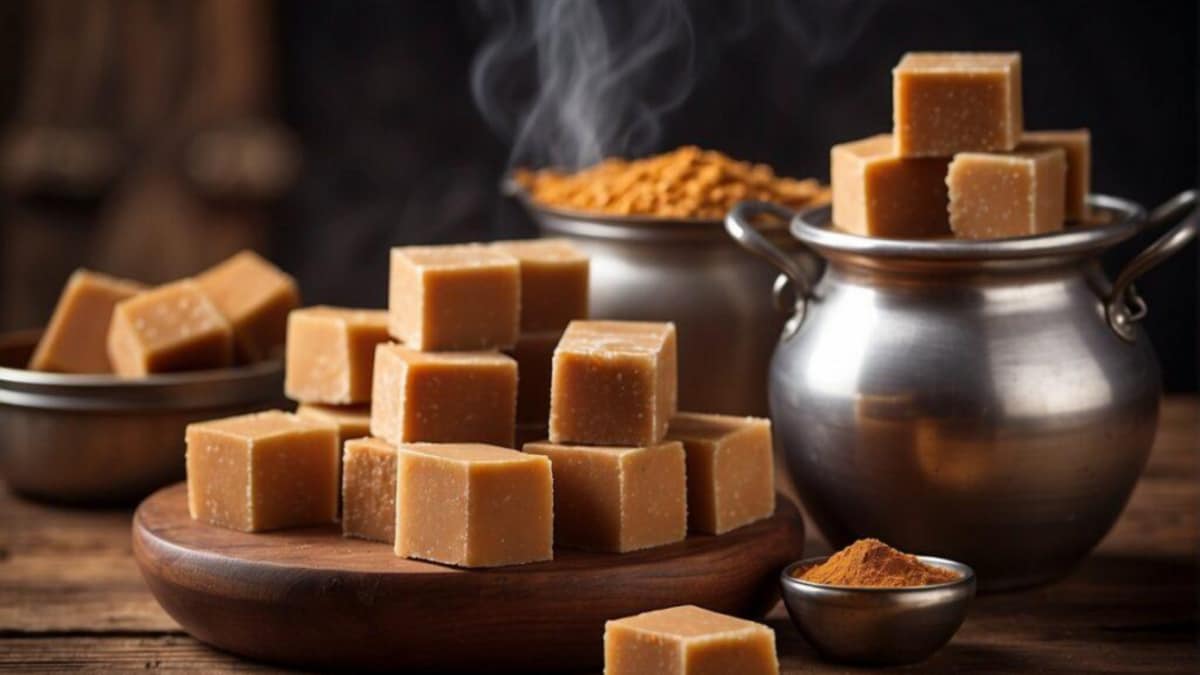
Jaggery and desi khand may seem healthier because they are traditional and less processed.
They can contain tiny amounts of minerals that white sugar usually lacks.
However, all three are still types of sugar.
Eating jaggery does not turn a sweet drink or dessert into a healthy food.
There is not strong evidence that jaggery prevents colds, coughs, or infections.
It is also not proven to greatly improve immunity during the monsoon.
You can enjoy it in small amounts if you like the taste.
Eating balanced meals and keeping food and water safe matters more for staying well.

Jaggery and desi khand are less refined than white sugar and may retain small amounts of minerals.
Nutritionists say the mineral difference does not make either sweetener a health food or justify larger portions.
Claims that jaggery prevents coughs, colds, infections, or significantly boosts immunity are not well established.
Jaggery, desi khand, and refined sugar remain concentrated sources of sugar, so portion size and total intake matter.
For monsoon wellness, experts recommend balanced meals, protein, seasonal produce, safe water, fresh food, and good hygiene.
- Who
- Nutritionist Arooshi Aggarwal discusses jaggery, desi khand, and refined sugar.
- What
- The article examines whether jaggery and desi khand are healthier than refined sugar and whether they improve monsoon health.
- Where
- The discussion concerns Indian kitchens and monsoon eating.
- When
- The article was published and last updated on August 27, 2026.
- Why
- Jaggery and desi khand are often marketed as natural, healthier sweeteners and as foods that may support immunity during the monsoon.
Traditional and Natural-Sweetener View
Nutrition-Focused View
Perceived health benefits
Traditional and Natural-Sweetener View
Jaggery and desi khand are less refined, retain some molasses and minerals, and are traditionally used in monsoon foods and warm drinks.
Nutrition-Focused View
Their small mineral content does not make them health foods, and their nutritional advantage over refined sugar is modest.
Monsoon protection
Traditional and Natural-Sweetener View
Traditional practices and Ayurveda associate jaggery with warmth and use it in preparations such as ginger and tulsi drinks.
Nutrition-Focused View
Traditional seasonal use does not prove that jaggery prevents infections, colds, coughs, or weak immunity.
Replacing refined sugar
Traditional and Natural-Sweetener View
Some people may prefer jaggery or desi khand for their taste, texture, and less-refined preparation.
Nutrition-Focused View
Swapping sweeteners without reducing the quantity may not meaningfully improve health because all remain concentrated sources of sugar.
Key facts
- Sweeteners discussed
- Jaggery, desi khand, and refined white sugar
- Mineral content
- Jaggery and desi khand may retain small amounts of minerals such as iron, potassium, and calcium.
- Health claims
- Claims that jaggery prevents coughs, colds, infections, or significantly boosts immunity are not well established.
- Main nutritional point
- All three sweeteners remain sources of sugar, and the amount consumed matters most.
- Recommended approach
- Use jaggery or desi khand as sweeteners in moderation, not as seasonal medicines.
- Monsoon wellness
- Prioritize freshly prepared meals, protein, seasonal fruits and vegetables, safe drinking water, and food hygiene.
Quotes
Arooshi Aggarwal
Nutritionist quoted in the article discussing traditional sweeteners and monsoon health claims
“Gur and desi khand are traditional foods, but they should not be considered ‘monsoon remedy’ foods. They can be used in small quantities to sweeten foods and drinks, but claims that they specifically prevent coughs, colds or infections, or significantly improve immunity, are not well established.”
 news18.com
Sources
Related news
Record Sugar Prices Prompt Five Alternatives For Festive Indian Sweets

Minister’s Sugar Remarks Draw Opposition Criticism Amid Rising Prices
Teej Special Dishes to Make at Home During Sawan

Why Fanta Has More Sugar in India Than Britain
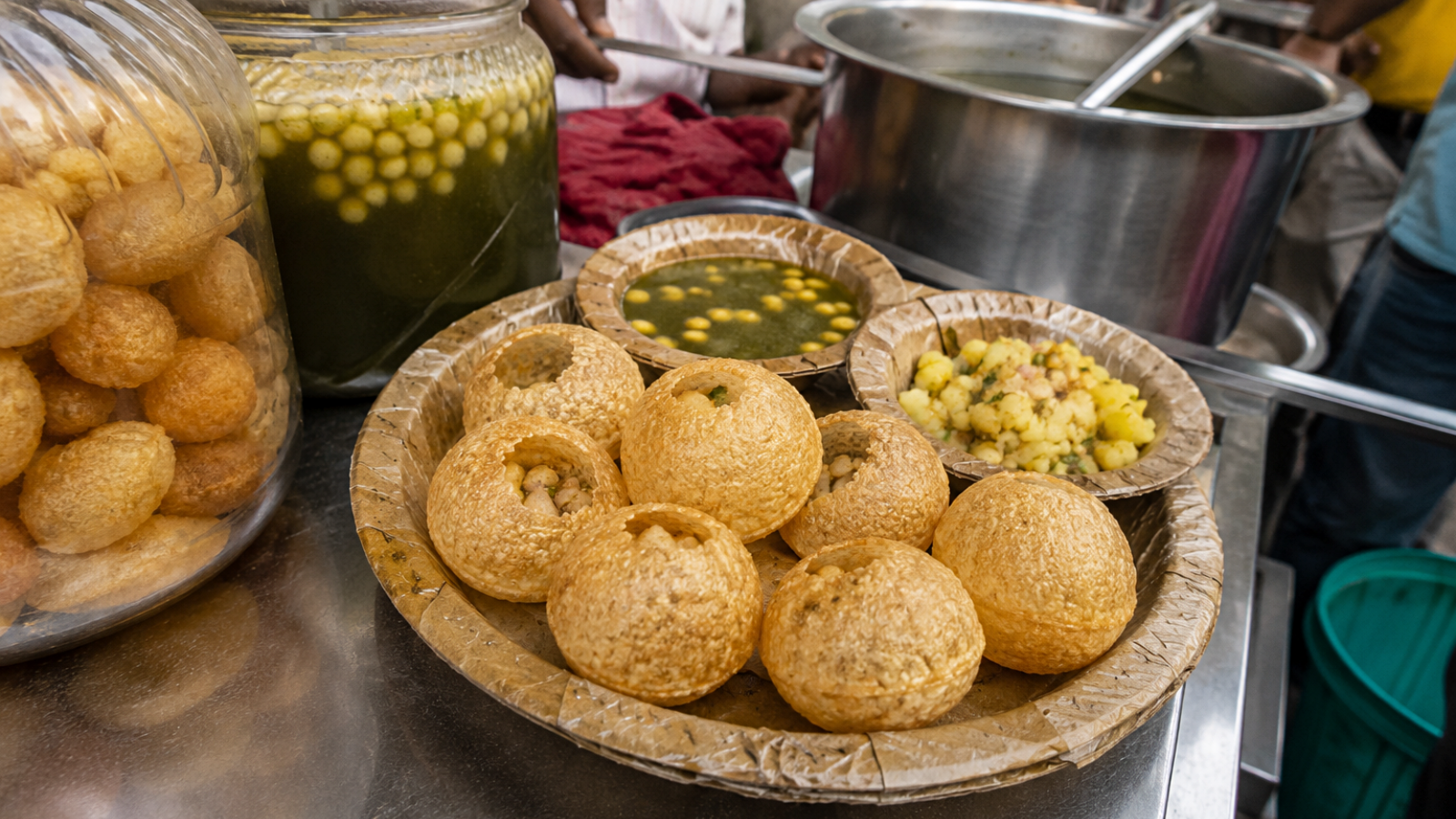
Nutritionist Says Whole-Wheat Aata Golgappa Shells May Be Healthier