

1 week ago
Record Sugar Prices Prompt Five Alternatives For Festive Indian Sweets
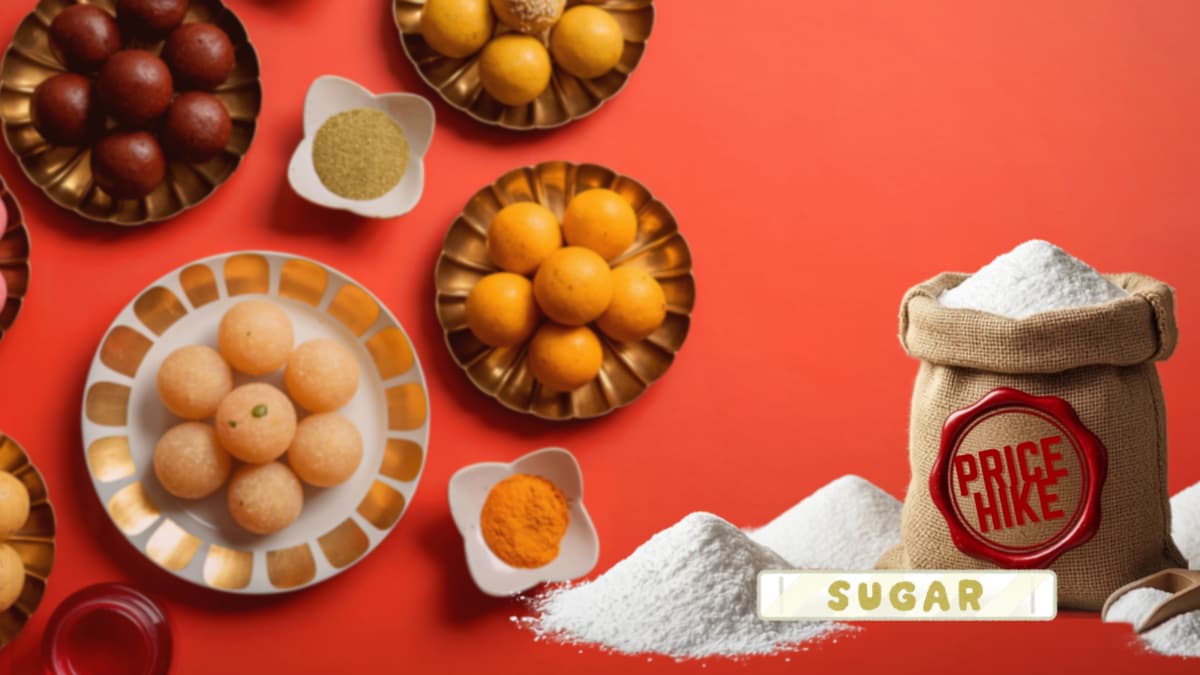
Sugar has become more expensive in India before important festivals.
This could make sweets such as laddoos, modaks and barfis cost more to prepare.
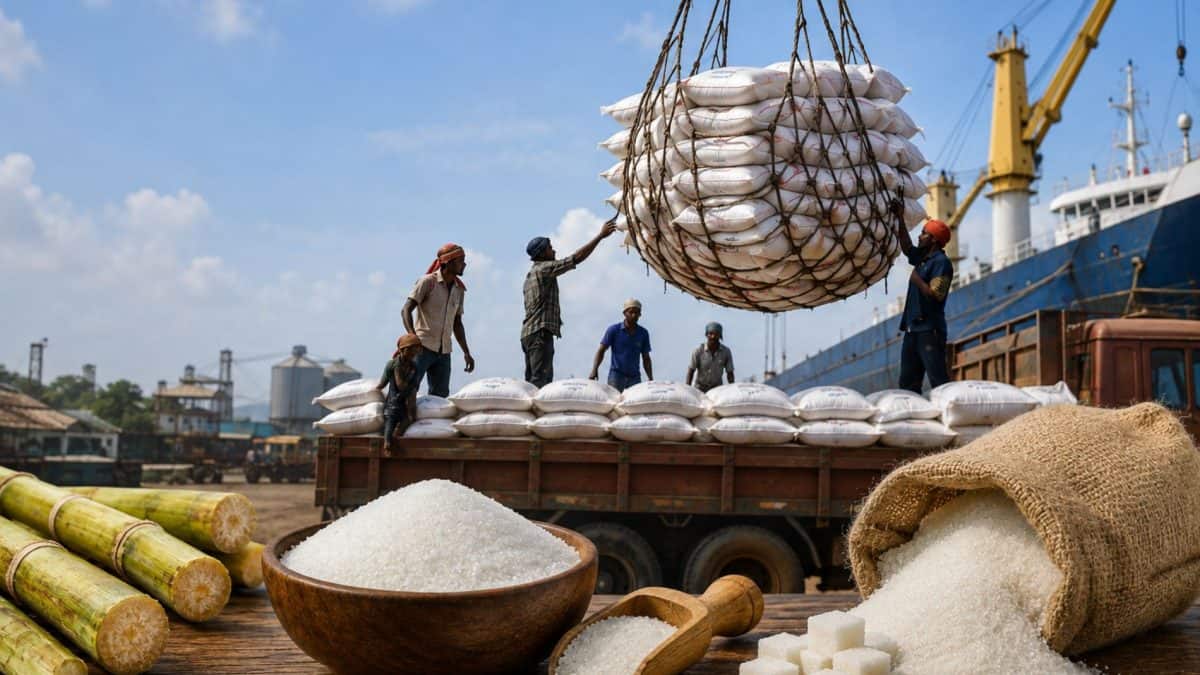
The government has allowed sugar imports to help improve supplies.
People can also try other ways to sweeten homemade desserts.
Jaggery gives sweets a deep caramel-like taste.
Honey, dates and coconut sugar add different flavors and textures.
Stevia is very sweet, so only a small amount is needed.
These alternatives are not unlimited, so they should still be used carefully.

Sugar prices in India have reached record highs ahead of the festive season.
The government has allowed 10 lakh tonnes of duty-free sugar imports until October 31, 2026.
Jaggery, honey, dates, coconut sugar and stevia are suggested as refined-sugar alternatives.
Jaggery can generally replace sugar 1:1, while honey and stevia require quantity adjustments.
The alternatives may change taste, and natural sweeteners should still be used mindfully.
- Who
- Indian consumers, home cooks and the government are involved.
- What
- Sugar prices have reached record highs, while five alternatives are suggested for festive sweets.
- Where
- India.
- When
- The report was published on August 21, 2026, ahead of Raksha Bandhan and Ganesh Chaturthi; permitted imports continue until October 31, 2026.
- Why
- Domestic supplies have tightened and festive-season demand for sugar traditionally increases.
Key facts
- Sugar prices
- Prices in India have touched record highs.
- Government measure
- The government allowed 10 lakh tonnes of duty-free sugar imports.
- Import deadline
- The imports are permitted until October 31, 2026.
- Suggested alternatives
- Jaggery, honey, dates, coconut sugar and stevia.
- Jaggery substitution
- It can be used as a 1:1 replacement for sugar in most traditional sweets.
- Honey substitution
- The article recommends starting with three-fourths of the sugar quantity.
- Expected prices
- Sugar prices are expected to stabilize at ₹45–50 per kilogram while remaining 10–20% higher year-on-year.
Sources
Related news
Bengal sweet trade faces sugar shock before festive season
India Allows Duty-Free Sugar Imports as Prices Surge
India weighs sugar duty cuts as festive prices rise
India Allows Duty-Free Sugar Imports as Prices Surge
Milk Price Hike Prompts Milk Powder Barfi Recipe Ahead

Sugar Purchase Caps Spread Across India Ahead of Festivals

Gold Loans Quadruple as India’s Untapped Gold Wealth Fuels Growth

Toxic Box Office Hits New Low After Strong Opening

The Yellow Diary Launches India Tour With Sold-Out Bengaluru Shows

India’s Fourth BRICS Chair Faces a Much Larger Summit

Nepal Families Seek Missing Loved Ones After Deadly Flash Floods
