1 hr ago
Election Panel Dispute Exposes Government’s Controversial Institutional Choices
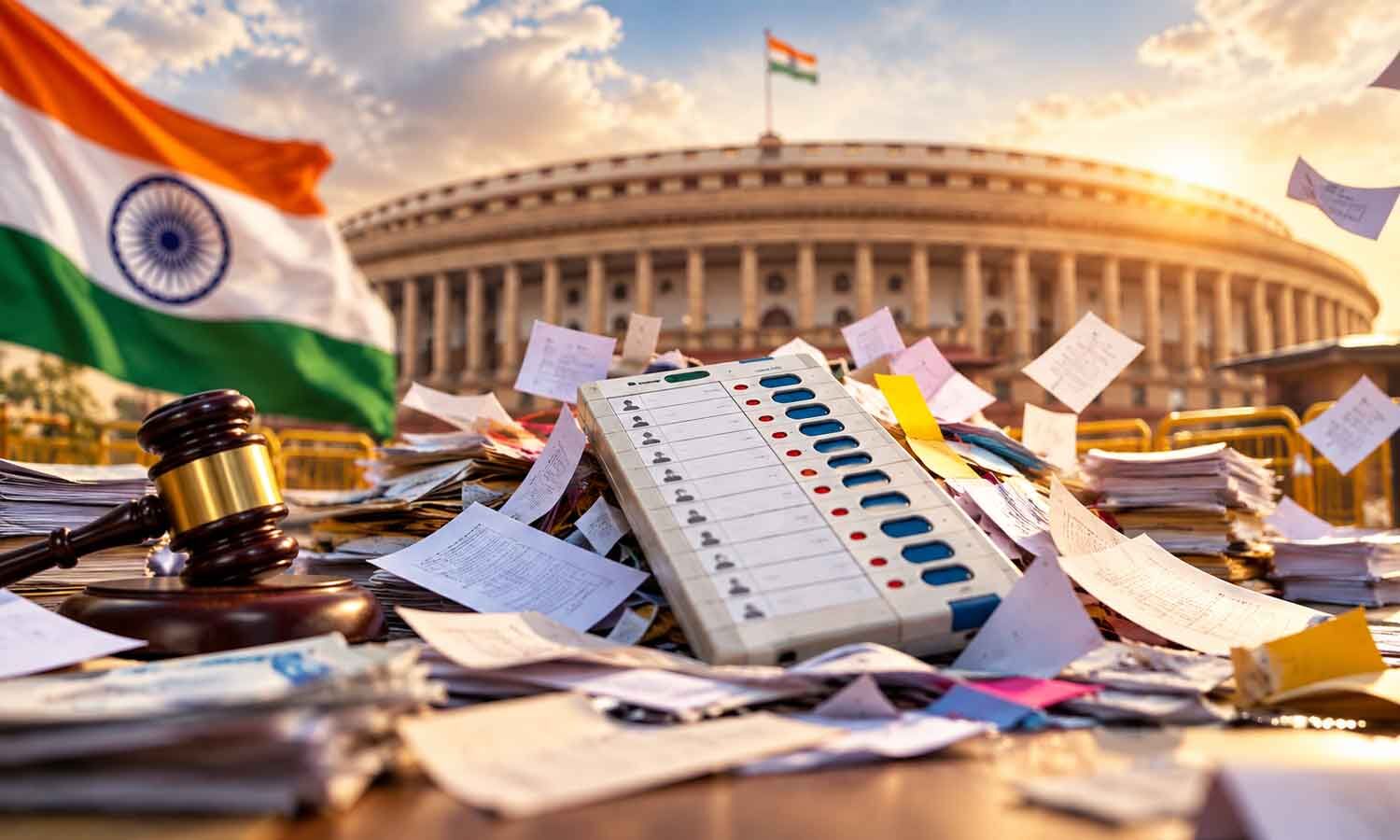
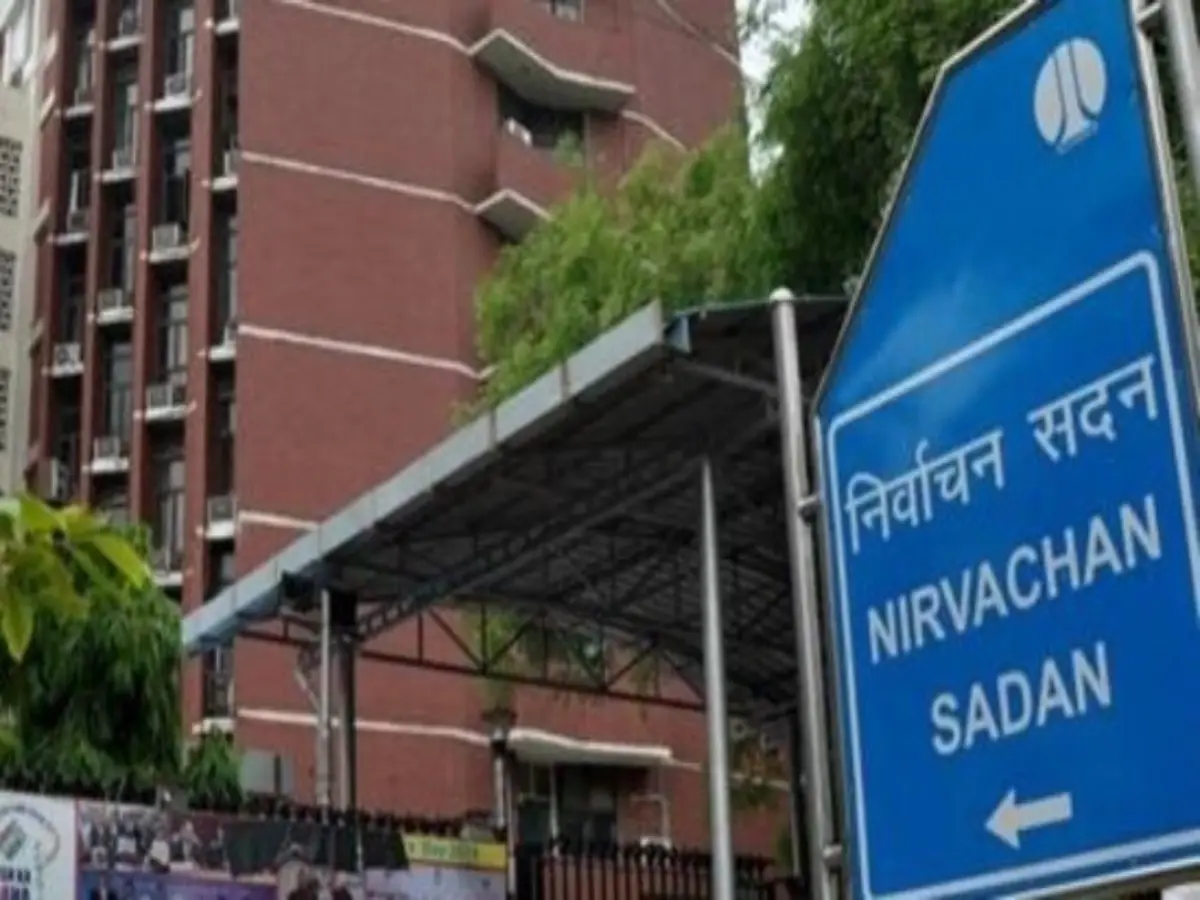
India’s Election Commission is supposed to conduct elections fairly and independently.
Recently, one of its election programs, called Special Intensive Revision, caused a political argument.
Reports said two commissioners questioned some decisions made by the chief election commissioner.
The commission then held a meeting to show that its members were united.
Critics believe the chief election commissioner may have acted too independently.
They also criticize a 2023 law that gave the government more influence over how commissioners are chosen.
Supporters point out that the two questioning commissioners did not submit formal dissent notes.
The larger concern is that people may stop trusting the commission if they think it is influenced by the government or the Opposition.

The Election Commission of India held a meeting intended to signal unity among its three members.
Special Intensive Revision triggered political controversy and reportedly produced disagreements within the commission.
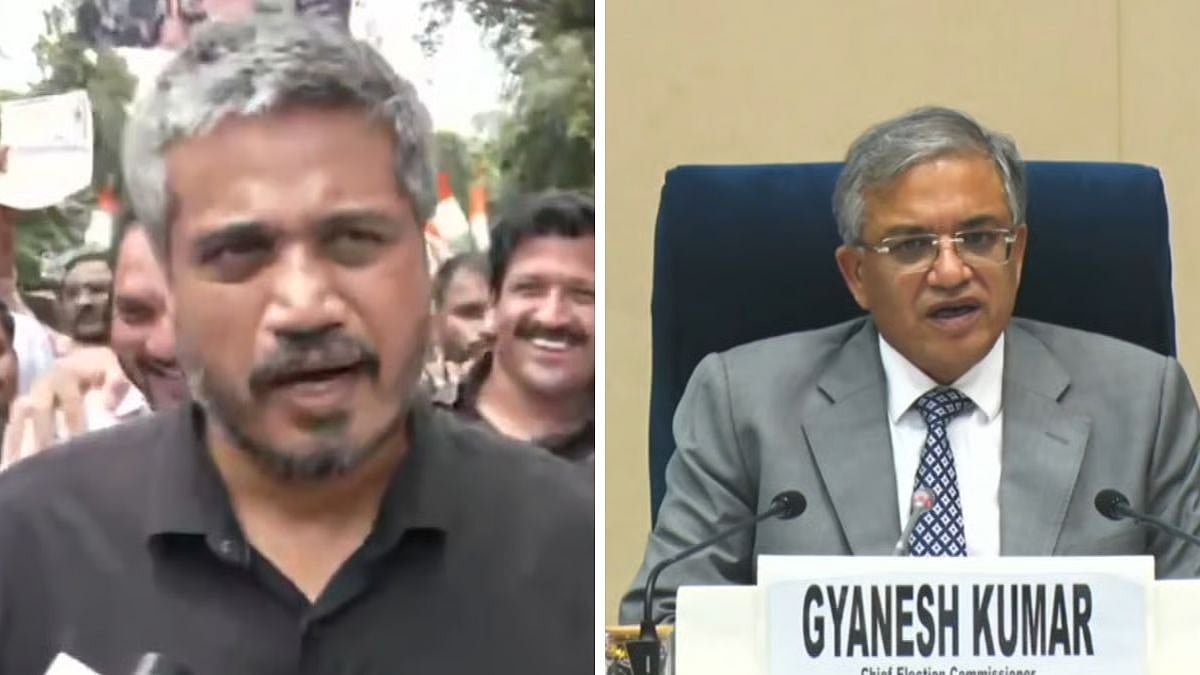
Election Commissioners Sukhbir Singh Sandhu and Vivek Joshi questioned aspects of Chief Election Commissioner Gyanesh Kumar’s functioning.
Critics say the 2023 appointment law increased executive influence by replacing the Chief Justice of India with a Union Cabinet minister on the selection committee.
The controversy has raised broader concerns about the Election Commission’s impartiality, autonomy and public credibility.
- Who
- The Election Commission of India, Chief Election Commissioner Gyanesh Kumar, Election Commissioners Sukhbir Singh Sandhu and Vivek Joshi, and the Narendra Modi government.
- What
- A dispute over the Election Commission’s functioning and the institutional effects of its Special Intensive Revision and commissioner-appointment system.
- Where
- India, involving the Election Commission of India and Parliament.
- When
- The panel’s unity meeting was reported on Saturday; the broader controversy concerns recent decisions and the 2023 appointment law.
- Why
- The Special Intensive Revision led to political controversy and reported internal disagreements, while critics argue that the 2023 law increased executive influence over the commission.
Critics of the Government
Government Supporters
Effect of the 2023 appointment law
Critics of the Government
Removing the Chief Justice of India from the selection committee weakened judicial participation and increased the possibility of executive influence over the Election Commission.
Government Supporters
The government used its parliamentary majority and constitutional authority to enact the law; supporters emphasize that the commissioners appointed under it did not formally dissent.
Gyanesh Kumar’s functioning
Critics of the Government
Reports that Sukhbir Singh Sandhu and Vivek Joshi questioned the chief election commissioner’s decisions support concerns that he was acting unilaterally.
Government Supporters
The absence of formal dissent notes and the panel’s public meeting can be presented as evidence that the commission remains institutionally united.
Institutional credibility
Critics of the Government
Perceived executive influence could make every Election Commission decision vulnerable to partisan suspicion and damage public confidence.
Government Supporters
Criticism can be viewed as politically motivated, while the commission’s meeting was intended to reassure the public that its members are on the same page.
Key facts
- Institution
- Election Commission of India
- Controversial program
- Special Intensive Revision
- Chief Election Commissioner
- Gyanesh Kumar
- Commissioners who questioned decisions
- Sukhbir Singh Sandhu and Vivek Joshi
- Appointment law
- Chief Election Commissioner and Other Election Commissioners (Appointment, Conditions of Service and Term of Office) Act, 2023
- Selection committee change
- The law replaced the Chief Justice of India with a Union Cabinet minister; the Leader of the Opposition remained the third member.
- Formal dissent
- The two commissioners reportedly questioned decisions but did not file dissent notes.
Sources
Related news

Election Panel Disputes Raise Questions About Public Confidence
Congress Accuses Gyanesh Kumar of Acting With Government Support

Supreme Court Refers Election Commission Appointment Law to Larger Bench
Paswan urges poll chief to clarify amid Election Commission rift
Rohit Pawar Attacks CEC Gyanesh Kumar Amid SIR Row
Why India’s 2023 Election Commissioner Law Faces Supreme Court Review
Central Railway Freight Loading Surges Through August 2026
Clash at Kolkata’s SRFTI Over ABGP Campus Event

Rekha Gupta Launches 53 Civic Projects Across Delhi Colonies

Uttar Pradesh Trade Policy Opens Global Markets for MSMEs