8 months ago
Alps lead global glacier extinction milestone
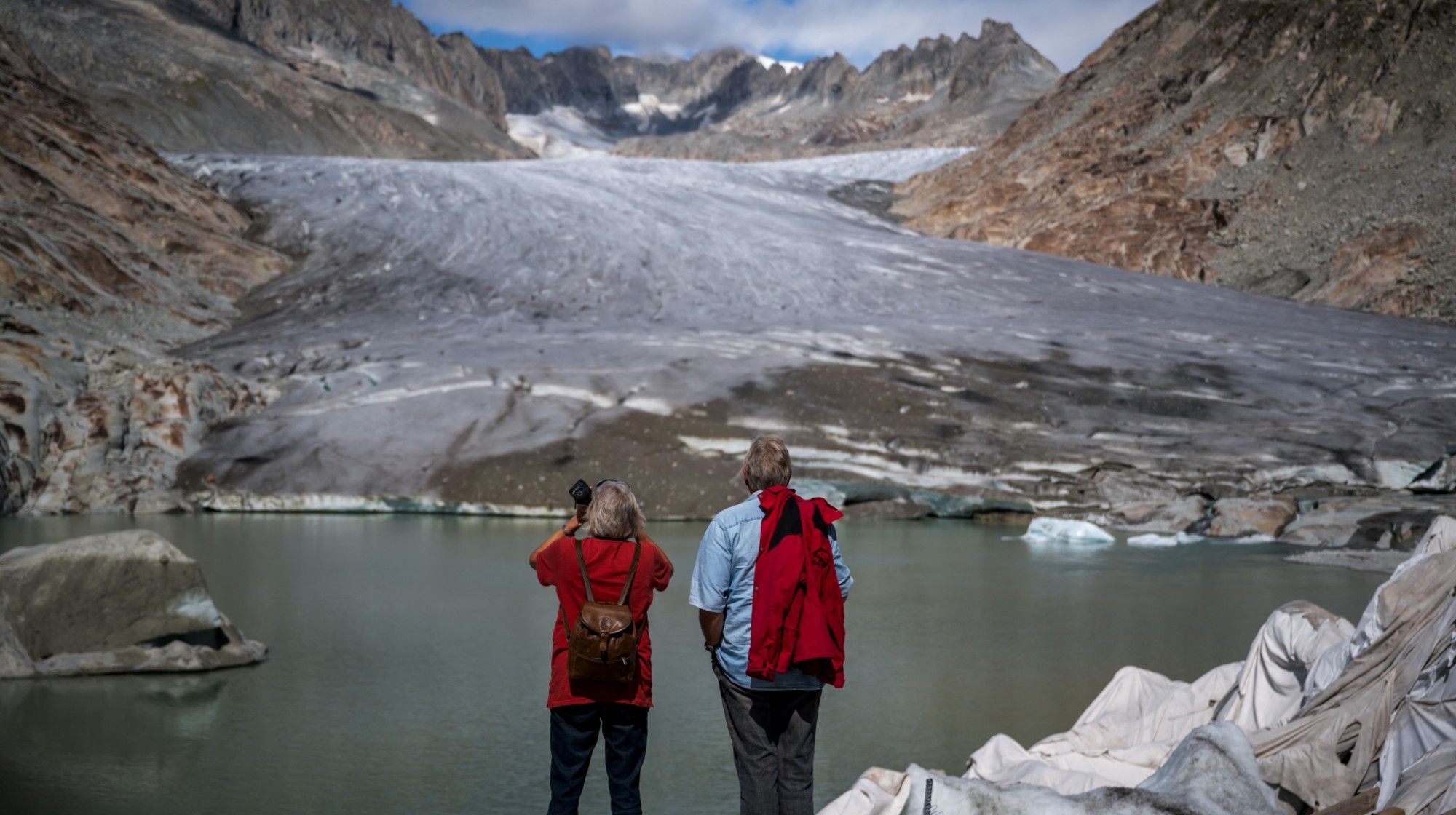
Scientists have found that many glaciers around the world are melting and disappearing faster than before.
They call this 'peak glacier extinction,' which means the year when the most glaciers will vanish.
This could happen to 2,000 to 4,000 glaciers every year.
The Alps are especially affected.
The study used data from 200,000 glaciers and different warming scenarios.
If the world gets much hotter, most glaciers could be gone by 2100.
This is important because glaciers are part of our culture, tourism, and the environment.
Scientists hope this information will help people understand the impact of climate change on local areas.

Researchers predict a dramatic increase in annual glacier disappearances due to global heating.
Peak glacier extinction is defined as the year with the highest number of glacier disappearances, ranging from 2,000 to 4,000 annually.
The Alps are leading the trend, with about 3,200 glaciers in central Europe set to shrink by 87% by 2100.
Global glaciers could reduce to 20% by 2100 under 2.7°C of warming, 50% at 1.5°C, and nearly complete loss at 4°C.
The study aims to assess climate impacts on local economies, ecosystems, and tourism, highlighting the importance of individual glaciers.
- Who
- Researchers from ETH Zurich and other institutions
- What
- Predicted a dramatic increase in annual glacier disappearances
- Where
- Global, with the Alps leading the trend
- When
- Peak glacier extinction expected in the coming decades
- Why
- Due to global heating and its impact on glacial ice
Key facts
- Study Published
- Nature Climate Change
- Glaciers Monitored
- 200,000
- Peak Extinction Range
- 2,000 to 4,000 glaciers annually
- Central Europe Glacier Loss
- 87% by 2100
- Global Glaciers in 2100 (2.7°C Warming)
- 20%
- Global Glaciers in 2100 (1.5°C Warming)
- 50%
- Global Glaciers in 2100 (4°C Warming)
- Nearly 0%
Quotes
Lander Van Tricht
Lead researcher and ETH Zurich glaciologist
“Every individual glacier can matter.”
 theweek.com
“We will lose a lot of glaciers.”
theweek.com

Eric Rignot
Professor of Earth system science at the University of California at Irvine
“Reforming a glacier would take decades if not centuries.”
theweek.com
Sources
Related news
Nepal Glacier Collapse Raises Questions About Emerging Climate Risks
2026 Winter Olympics to Use 3 Million Cubic Yards of Artificial Snow

Freddie Mercury's Alleged Daughter Dies at 48

Avalanches kill two in Italy’s Alps
Humans Destroyed Natural Shields, Faced Consequences