

2 weeks ago
Chandrasekaran leaves Tata group bigger after wager on future
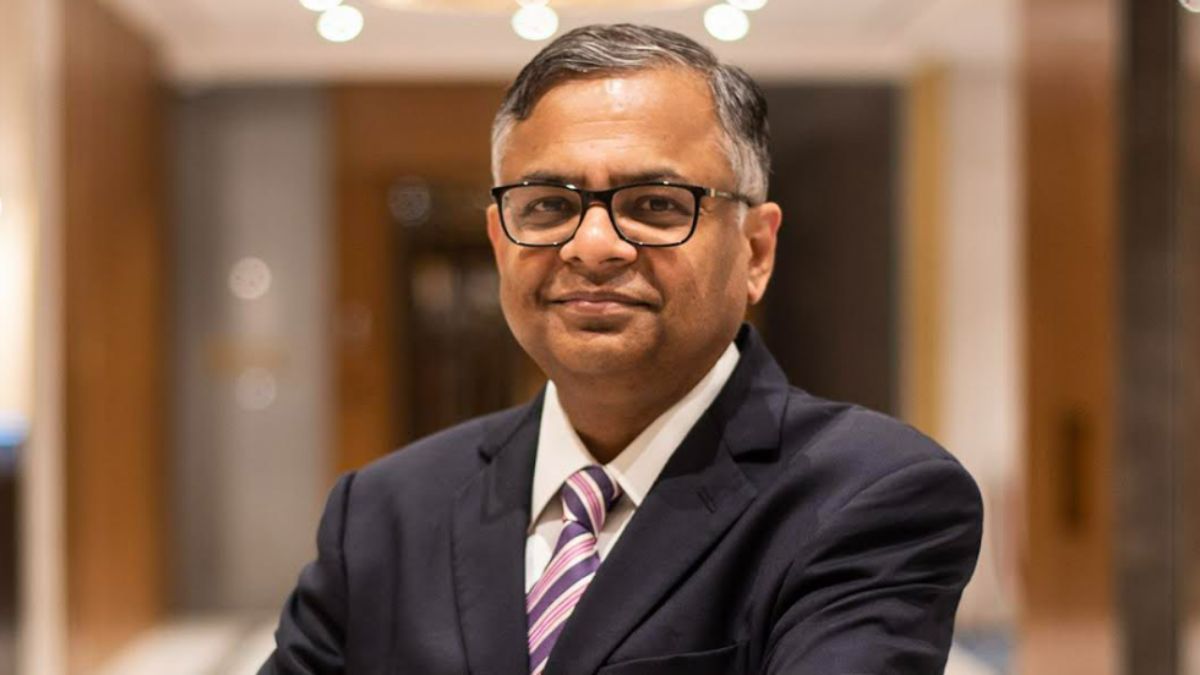
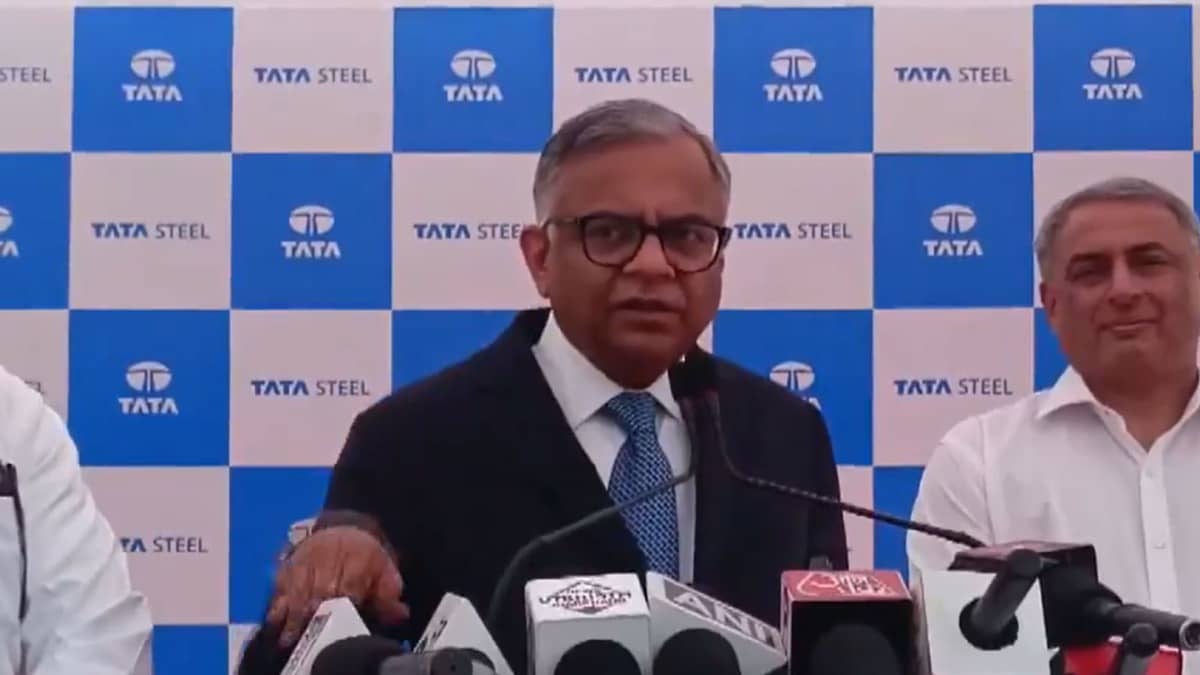
Mr. Chandrasekaran was the boss of a very big group of companies called Tata for about nine and a half years.
When he started, the Tata companies were having a tough time.
During his time, the companies became more than twice as big and much more valuable.
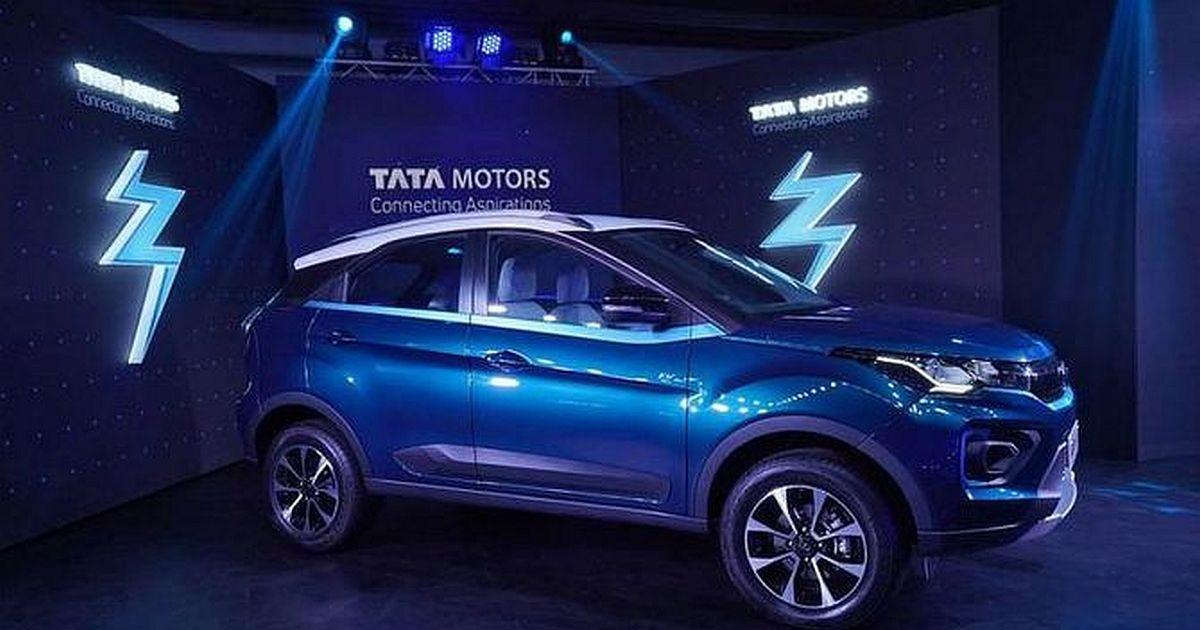
He helped Tata make electric cars and build strong consumer brands, and he started new projects like making computer chips in Dholera.
But some of his new ideas lost a lot of money, like the shopping app Tata Digital.
Air India, the airline company Tata bought, also lost a lot of money.
The biggest worry is TCS, Tata's software company, because artificial intelligence is changing how such companies work.
It will now be the next boss's job to fix these problems, which is like inheriting a big, busy house with lots of homework to finish.

Tata group's market value rose 3.2 times and its profit pool expanded four-fold between February 28, 2017, and August 11, 2026.
Tata group companies delivered nearly 14% compounded annual returns versus the Nifty's roughly 12%.
In early 2023, Chandrasekaran committed the group to investing Rs 8.5 lakh crore over five years to 2027, doubling the share for high-technology businesses from 25% to 50%.
Tata Digital lost Rs 4,974 crore in FY26, while Air India's losses more than doubled to Rs 22,238 crore.
TCS has underperformed as artificial intelligence disrupts the technology-services model, leaving the group's flagship recovery as a key challenge for his successor.
- Who
- N Chandrasekaran, outgoing chairman of the Tata group, whose successor now faces a big transformation challenge.
- What
- Concluded a nine-and-a-half-year tenure that more than doubled the group's size, expanded its profit pool four-fold and raised market value 3.2 times, while leaving loss-making high-technology, digital and airline bets.
- Where
- Tata group's headquarters at Bombay House, with major new investments including a semiconductor fabrication plant at Dholera.
- When
- Between February 2017 and August 11, 2026.
- Why
- He wagered on high-technology and digital businesses to secure the group's future, but his successor must fix losses at Tata Digital, Air India and Tata Electronics and revive TCS amid AI disruption.
Optimists' view
Sceptics' view
New-age business bets
Optimists' view
Pushing into semiconductors, electronics and digital businesses positions the group for future growth, with about Rs 17 lakh crore earmarked for chips and electronics and a fabrication plant under way at Dholera.
Sceptics' view
Tata Digital lost Rs 4,974 crore in FY26 and Tata Electronics lost Rs 1,611 crore; the digital-services foray arguably came too late and lacked the leadership talent to execute it.
Air India acquisition
Optimists' view
The airline is a strategic asset worth taking on despite the heavy investment required for its transformation.
Sceptics' view
Air India's losses more than doubled to Rs 22,238 crore in FY26, and Chandrasekaran acknowledged its transformation could take between five and 10 years.
TCS under AI disruption
Optimists' view
TCS has brought in talent and strengthened partnerships with global AI majors to navigate the transition.
Sceptics' view
TCS has underperformed as artificial intelligence disrupts the technology-services model it helped define, and the transition remains unfinished.
Key facts
- Tenure
- February 2017 – August 2026 (9.5 years)
- Market value growth
- 3.2 times
- Group return vs Nifty
- Nearly 14% vs roughly 12%
- Investment commitment
- Rs 8.5 lakh crore over five years to 2027
- High-tech capital share
- Doubling from 25% to 50%; about Rs 17 lakh crore for semiconductors and electronics
- Air India FY26 loss
- Rs 22,238 crore
- Tata Digital FY26 loss
- Rs 4,974 crore
- Tata Electronics FY26
- Rs 1,611 crore loss on revenue exceeding Rs 1.31 lakh crore
Sources
Related news
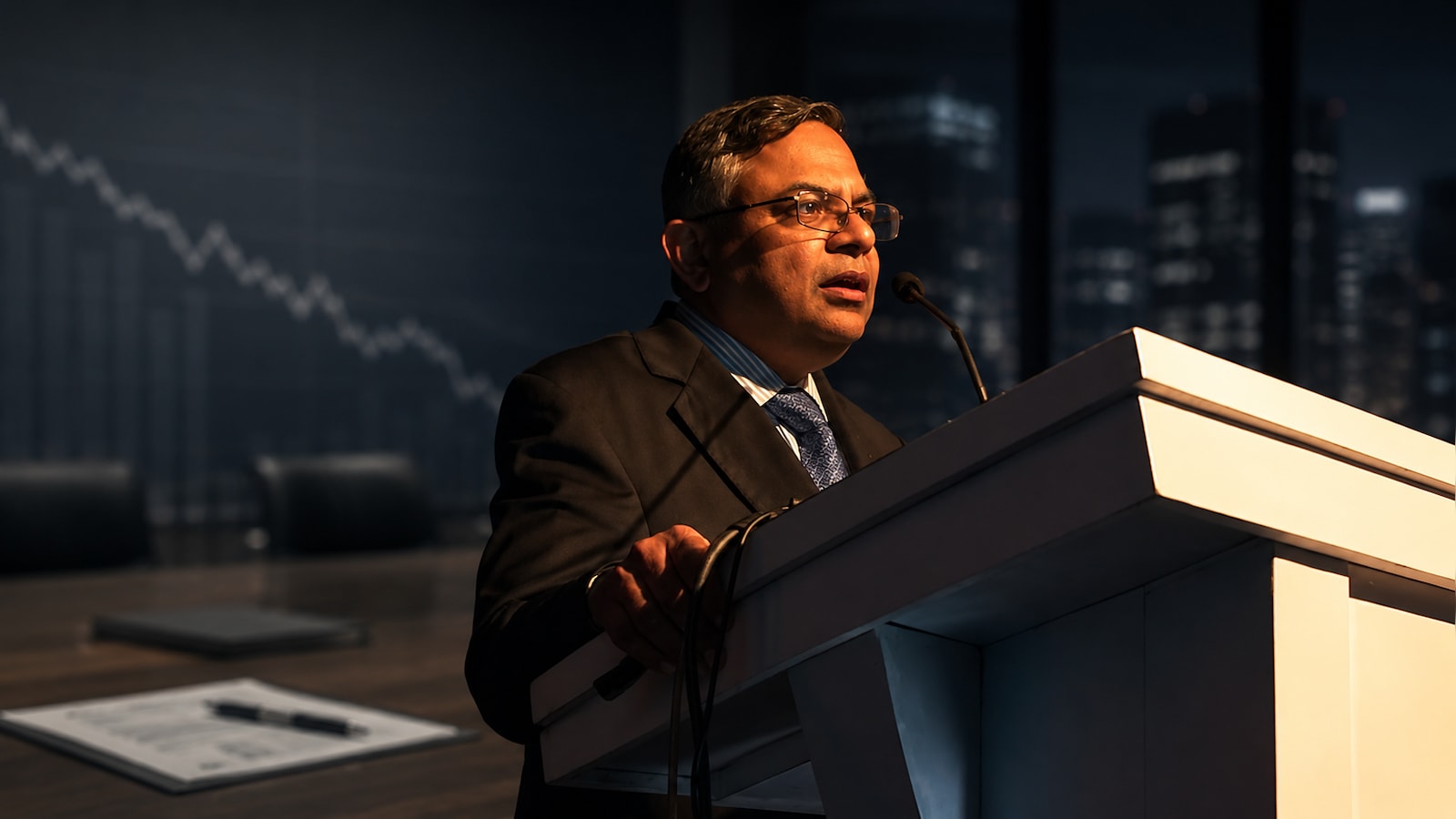
Chandrasekaran steps down as Tata Sons chairman, ending nine-year tenure
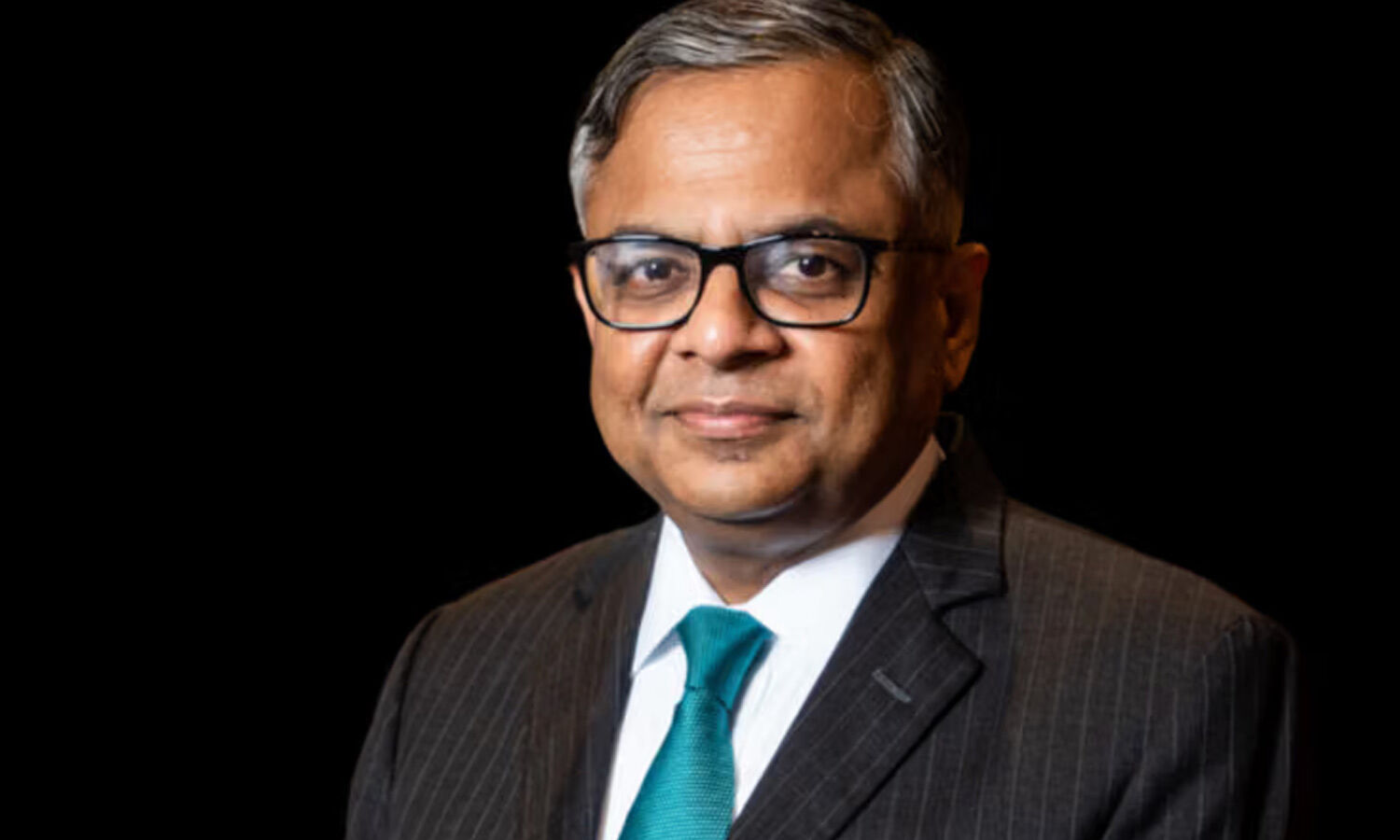
Chandra resigns as Tata Sons chairman after transformative decade
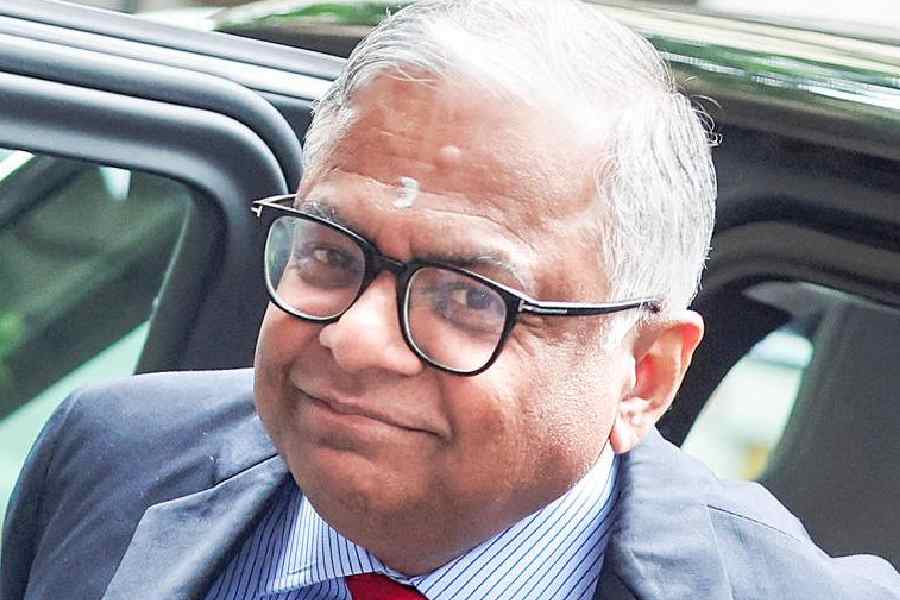
Tata Chairman's Exit Leaves $120 Billion Spending Ambition in Limbo
N Chandrasekaran Resigns As Tata Sons Chairman After Decade-Long Tenure

Chandrasekaran Steps Down as Tata Sons Chairman Amid Rift

Tata Sons Chairman N Chandrasekaran to Exit After Nine-Year Tenure

Auto Industry Urges Shift From Make to Create in India
Car Sales Aug'26: Tata Leads Growth, Maruti Dominates Volume
Brokerages Favor Indian Auto Stocks as Truck Sales Surge

Auto stocks plunge despite strong August sales and demand outlook
Tata Motors Rises to No. 2 in India's PV Market
