1 hr ago
Supreme Court Questions Prohibition, Strikes Down Maharashtra Methanol Rules
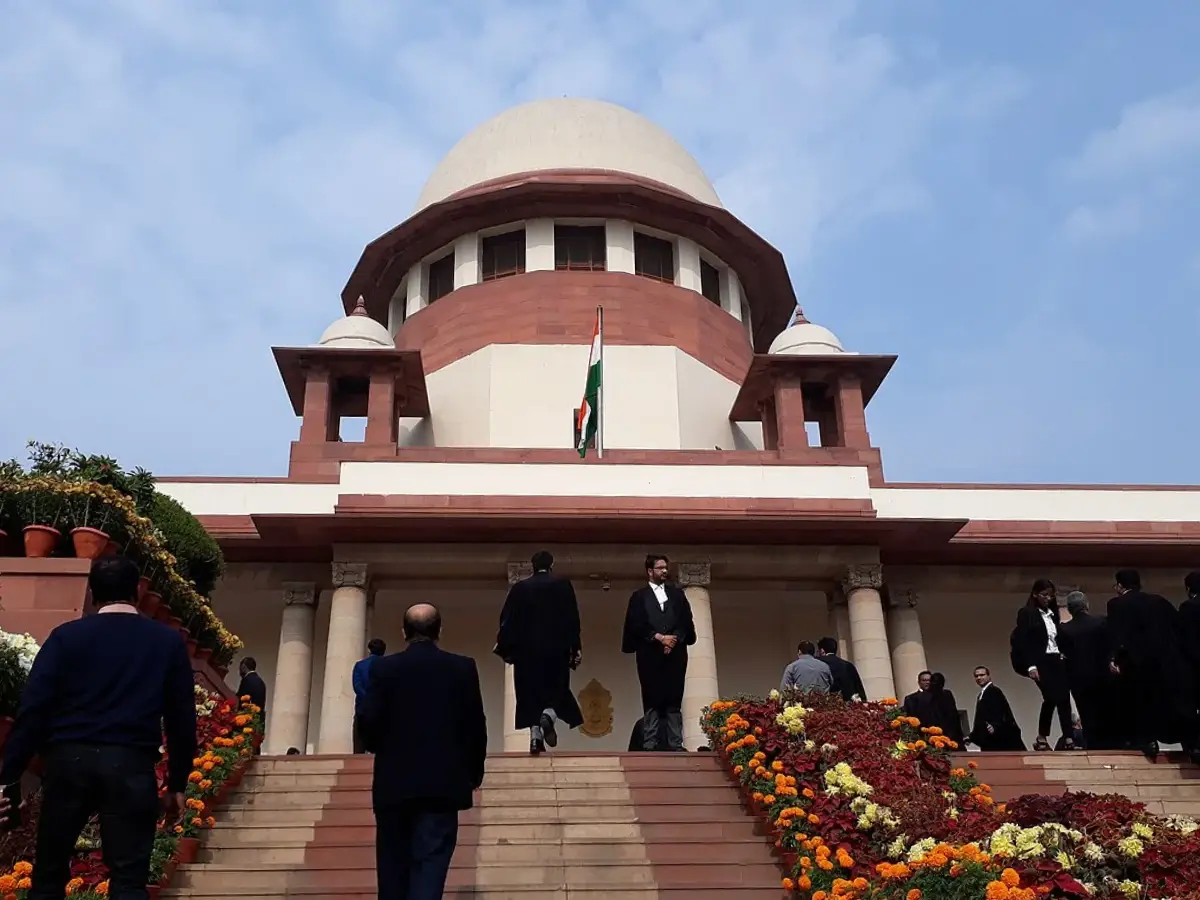
The Supreme Court examined Maharashtra rules controlling methanol sales.
These rules required manufacturers to add a bitterant and colourant.
They were created after a 1991 Mumbai hooch tragedy killed 93 people.
The court said complete liquor bans can push alcohol underground.
It linked such bans with lost revenue, costly enforcement, corruption, illegal distilling and drug problems.
It noted Gujarat’s prohibition policy and more than 600 deaths in major hooch tragedies.
The court said Maharashtra had not shown the additives would stop methanol diversion.
It struck down the rules as violating two constitutional rights.
It suggested licences, stock checks, secure transport and tamper-evident seals instead.

The Supreme Court struck down Maharashtra’s Rules 18A and 18B governing methanol sales.
The rules required bitterant and colourant to be added before methanol was sold to non-drug manufacturers.
The court said complete liquor bans can drive alcohol underground and contribute to illegal distilling and hooch deaths.
It cited Gujarat’s prohibition policy and at least 10 major hooch tragedies causing more than 600 deaths.
The bench recommended tighter licensing, stock monitoring, secure transportation and tamper-evident seals for methanol.
- Who
- The Supreme Court bench of Justices JB Pardiwala and K Vinod Chandran, Maharashtra government and chemical manufacturers including the Indian Chemical Council.
- What
- The court struck down Maharashtra’s Rules 18A and 18B of the Maharashtra Poisons Rules, 1972, and questioned the effectiveness of complete liquor prohibition.
- Where
- The ruling concerned Maharashtra and also discussed prohibition-related incidents in Gujarat and Madhya Pradesh.
- When
- Friday, September 18; the rules originated after the 1991 Mumbai hooch tragedy.
- Why
- The court found the mandatory bitterant and colourant requirements lacked a rational and proximate connection to preventing methanol diversion and violated constitutional standards.
Supreme Court’s view
Maharashtra government’s view
Effectiveness of additives
Supreme Court’s view
The court said Maharashtra had not shown that adding bitterant and colourant would discourage methanol use in spurious liquor or change its chemical composition sufficiently to prevent diversion.
Maharashtra government’s view
The government defended the requirements as safeguards intended to prevent methanol diversion and reduce fatal hooch tragedies.
Approach to prohibition
Supreme Court’s view
The court said complete alcohol bans can drive liquor markets underground, increasing unregulated and lethal brews, and cited several associated consequences.
Maharashtra government’s view
The government’s position, as described in the ruling, focused on using regulation to prevent methanol misuse and protect public health.
Alternative safeguards
Supreme Court’s view
The court recommended purchaser-licence checks, stock reconciliation, returns of unused methanol, dedicated tankers and tamper-evident seals.
Maharashtra government’s view
The government sought to retain the existing rules, but the court rejected that request.
Key facts
- Rules struck down
- Rules 18A and 18B of the Maharashtra Poisons Rules, 1972.
- Constitutional provisions
- The court held the rules violated Articles 14 and 19(1)(g).
- 1991 Mumbai tragedy
- A methanol-related spurious liquor tragedy killed 93 people.
- Gujarat prohibition
- Gujarat has maintained strict prohibition since its formation in 1960.
- Gujarat hooch tragedies
- The court said Gujarat experienced at least 10 major mass hooch tragedies causing more than 600 deaths.
- Recent incidents cited
- Around 13 people died in Bhavnagar, Gujarat, and around 15 in Sagar, Madhya Pradesh, after consuming illicit liquor.
- Suggested safeguards
- Verify purchaser licences, monitor consumption, reconcile stocks, return unused methanol, and improve transportation and storage controls.
Quotes
Supreme Court bench of Justices JB Pardiwala and K Vinod Chandran
The Supreme Court bench hearing the challenge to Maharashtra’s methanol-related rules.
“The state failed to indicate that this practice of putting such additives would discourage or rather dissuade continuous usage of methanol or affect its chemical composition so it cannot be used in making spurious liquor.”
 wionews.com
“History bears eloquent testimony to the fact that a complete alcohol ban often drives the liquor trade underground, increasing the prevalence of unregulated, lethal brews.”
wionews.com
Sources
Related news
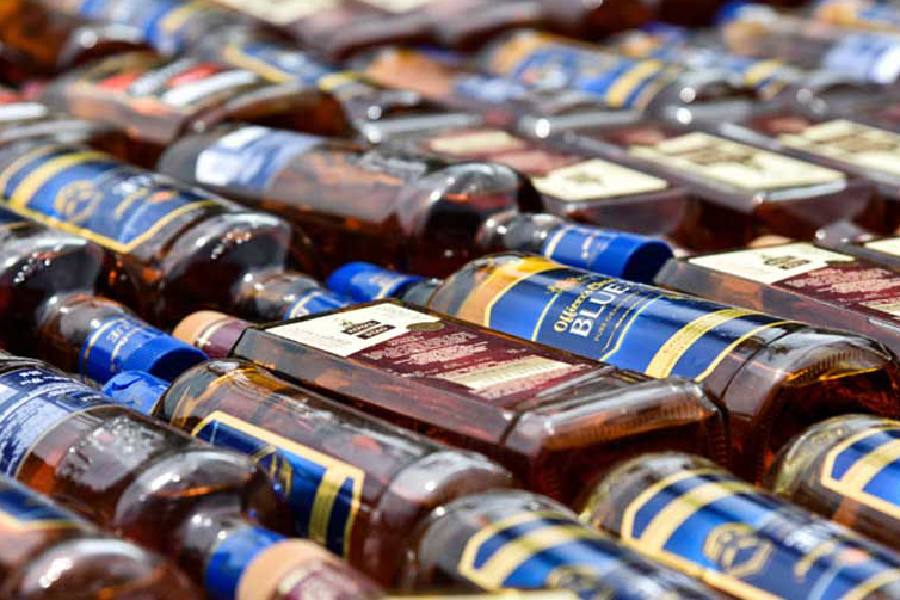
Gujarat Methanol-Laced Liquor Death Toll Rises to 13
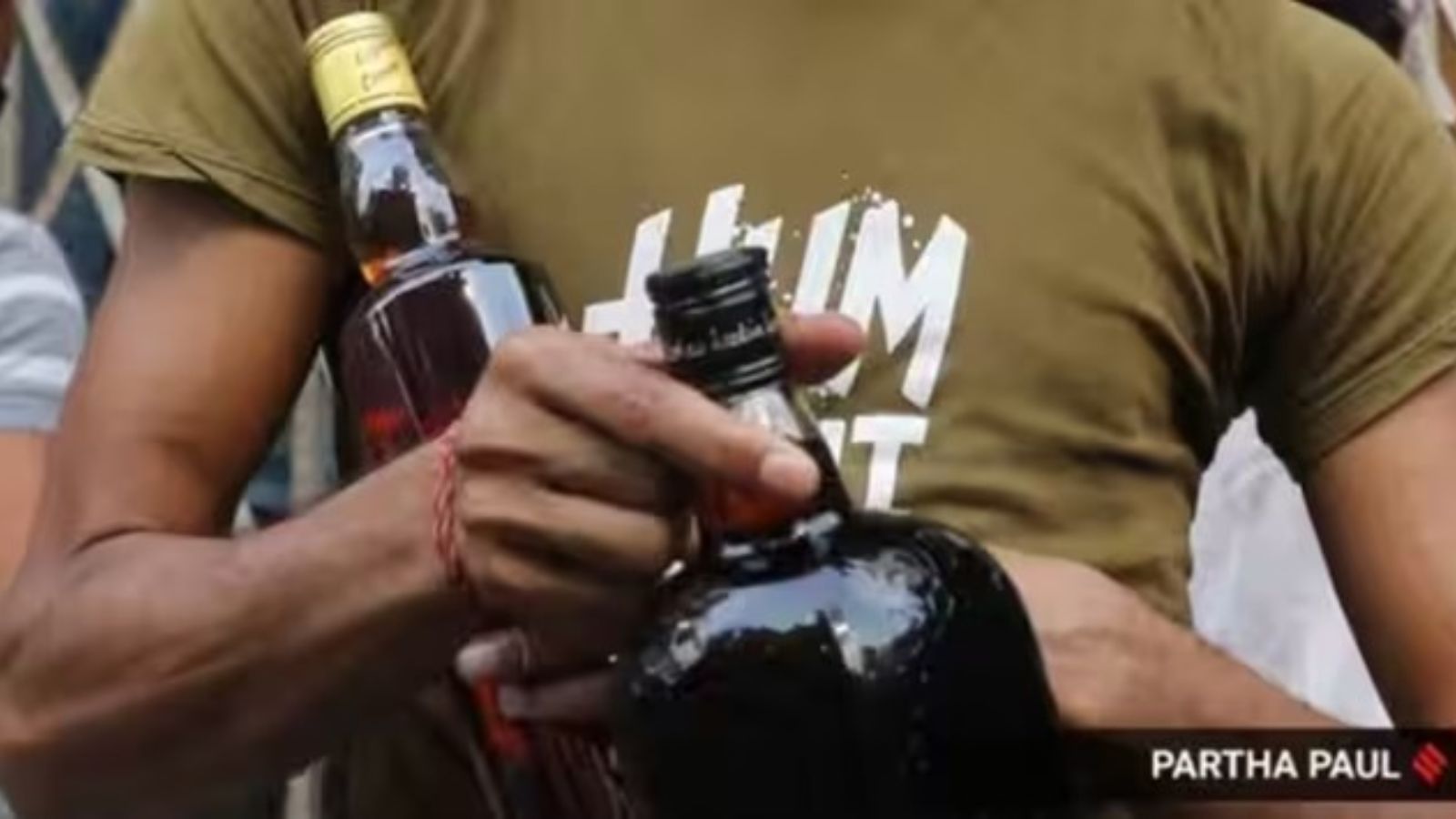
Gujarat Warns of Toxic Liquor Bottles After Seven Deaths
Bhavnagar Spurious Liquor Deaths Leave Eight Dead, 25 Hospitalised

Congress Targets Mohan Yadav Over Gujarat Hooch Tragedy

Bombay High Court Forces Pune To Scale Back Festival Alcohol Ban
Gujarat Doctors Race Against Time After Toxic Liquor Tragedy
IIT Kharagpur Director Calls for Inclusive Innovation at Ray Lecture