1 week ago
Target Halloween Costume Backlash Highlights Global Brand Controversies

Target sold a Halloween costume that some people thought looked like a racist caricature.
People complained online, so Target apologized and removed it from stores.
The article says other large brands have faced similar problems.
Some advertisements or products were criticized for appearing racist, antisemitic, insensitive to LGBTQ people, or dismissive of protests.
Starbucks faced criticism in South Korea over a campaign linked to the 1980 Gwangju Uprising.
Bud Light faced a conservative backlash after working with Dylan Mulvaney.
Some controversies hurt sales or caused companies to change their products and advertisements.
Other companies said their campaigns were successful or took action to protect employees.
The examples show why brands need to consider how products and messages may affect different groups.

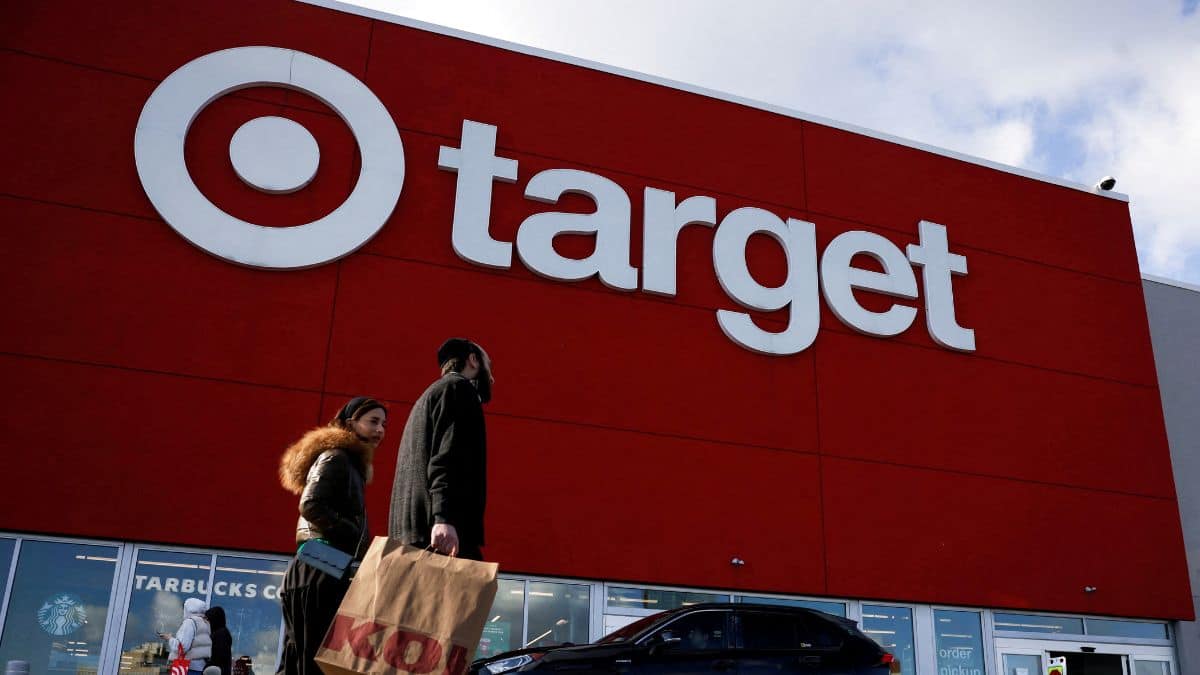
Target apologized and removed a children’s clown costume after critics said it resembled Blackface and minstrel imagery.
Similar controversies involved Starbucks, American Eagle, Target’s Pride Collection, Bud Light, Balenciaga, Gucci, H&M, Pepsi, Dove, Zara and Mountain Dew.
Starbucks said a South Korean campaign referencing the 1980 Gwangju Uprising caused a significant sales decline and led to the Korea chief’s dismissal.
Bud Light’s promotion with transgender influencer Dylan Mulvaney triggered a conservative backlash, and Modelo Especial became America’s best-selling beer.
The companies generally apologized, withdrew advertisements or products, or defended their campaigns while facing criticism over cultural insensitivity.
- Who
- Target and other major global brands, along with consumers and critics who objected to allegedly insensitive products or campaigns.
- What
- Backlash over Target’s children’s Halloween costume has renewed attention on past brand controversies involving cultural, racial, historical and political sensitivities.
- Where
- The controversies involved markets including the United States, South Korea and other international consumer markets.
- When
- The current backlash affected Target shares on Tuesday; the article was published August 26, 2026, and the examples span 2013 to 2026.
- Why
- Critics viewed the products or campaigns as invoking racist imagery, historical trauma, antisemitism, LGBTQ-related controversy or the trivialization of civil-rights protests.
Critics and affected audiences
Brands and company responses
Cultural and racial imagery
Critics and affected audiences
Critics said the Target costume evoked Blackface and minstrel shows; similar concerns were raised about products and advertisements from Gucci, H&M, Dove and Mountain Dew.
Brands and company responses
Target, Gucci, H&M and Dove apologized and withdrew or removed the criticized products or advertisements; the article does not report a specific response from Mountain Dew.
Historical and political references
Critics and affected audiences
Critics said Starbucks’ campaign appeared to reference the Gwangju crackdown, while Pepsi’s Kendall Jenner advertisement trivialized U.S. rights protests and civil unrest.
Brands and company responses
Pepsi scrapped the advertisement within 24 hours and apologized. Starbucks dismissed the head of its South Korean unit after describing a significant sales decline.
Commercial and workplace consequences
Critics and affected audiences
Consumers used social media backlash and, in Dove’s case, calls for a boycott to express opposition; Bud Light’s backlash was linked to losing its leading U.S. beer-sales position.
Brands and company responses
Target said removing some Pride merchandise was intended to protect employees, and American Eagle later said its criticized campaign succeeded by expanding its customer base.
Key facts
- Target costume
- The “Kids’ Glows Under Blacklight Circus Clown Halloween Costume” was criticized as resembling Blackface and minstrel imagery; Target apologized and pulled it from stores.
- Starbucks campaign
- A South Korean campaign in early 2026 appeared to reference the 1980 Gwangju Uprising; Starbucks described the resulting sales decline as “very significant.”
- American Eagle campaign
- The 2025 “Sydney Sweeney Has Great Jeans” campaign drew criticism over perceived racial undertones, while American Eagle later called it a success.
- Target Pride Collection
- Backlash over the 2023 collection led Target to remove some LGBTQ-themed merchandise, citing employee safety.
- Bud Light promotion
- A 2023 social-media promotion featuring Dylan Mulvaney triggered a conservative backlash, and Modelo Especial became America’s best-selling beer.
- Pepsi advertisement
- A 2017 commercial featuring Kendall Jenner was criticized for trivializing U.S. rights protests and was withdrawn within 24 hours.
- Earlier product controversies
- Examples include Gucci’s 2019 sweater, H&M’s 2018 “Coolest Monkey in the Jungle” sweatshirt, Dove’s 2017 advertisement and Zara’s 2014 children’s top.
Sources
Related news
Target Pulls Children’s Halloween Costume After Blackface Backlash

Target Removes Offensive Halloween Costume and Publicly Apologizes

Giva Withdraws Raksha Bandhan Ad After Social-Media Outcry

GIVA Withdraws Rakshabandhan Ad After Backlash Over Kriti Sanon's Outfit
Why Indian Brands Keep Capitulating to Advertising Outrage
Hearts2Hearts members apologize after Afro-wig backlash over Japanese show

Shein Shares Sink 10% in Disappointing Hong Kong IPO Debut

Sabyasachi Challenges Custom Couture, Urges Celebrities to Embrace Personal Style

H&M and Mango Cut Plus-Size Clothes as GLP-1s Reshape Fashion
Fashion brands use repairs, sewing classes to win over Gen Z