3 weeks ago
Kharif Sowing Near 2025 Levels; Rural Demand Seen Resilient
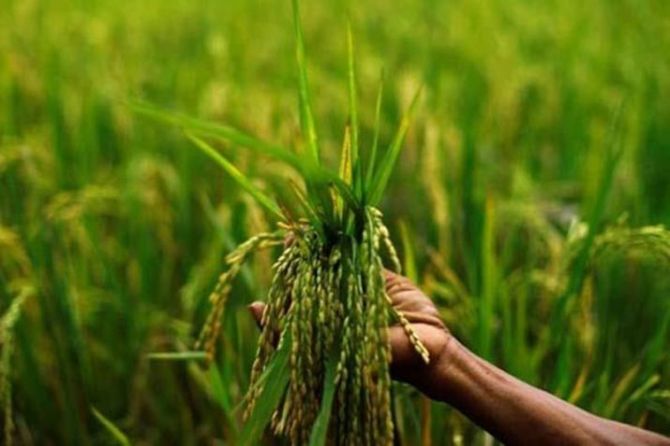
Every year, farmers in India plant crops that are harvested in the autumn, and this is called kharif sowing.
This year, planting has nearly caught up to last year's levels, helped by rain across many parts of the country.
The rain sometimes stops for a little while, but it keeps coming back.
The next few weeks of rain are very important for the harvest.
Good rain means a good harvest and moist soil for the next round of planting, called rabi.
Some people worry that the rain might be weak, partly because of a weather pattern called El Niño.
A smart economist named Tanvee Gupta Jain says she does not think weak rain will hurt people's spending too much.
That is because farmers had two good years before this one, and the government is giving money and other support to villages.
She says rural families have stronger savings and easier access to loans now.
So even if things slow down a little, rural households should still be okay.

Sowing of kharif crops nearly reached 2025 levels in the week ended August 7 as rainfall continued across parts of India, albeit with occasional breaks.
The performance of the monsoon over the next few weeks will be crucial in determining the kharif harvest and whether soil moisture remains adequate for early sowing of rabi crops.
Tanvee Gupta Jain, chief India economist at UBS Securities, said a sharp decline in rural demand in FY27 due to a below-par monsoon appears unlikely.
Jain cited stronger household balance sheets after two consecutive good crop years in 2023 and 2024, continued government spending, welfare transfers, and supportive credit conditions.
Despite concerns over El Niño, improved farm cash flows, welfare transfers, GST-related benefits and strong credit growth have likely boosted rural household purchasing power, she said.
- Who
- Indian farmers and rural households, along with Tanvee Gupta Jain, chief India economist at UBS Securities
- What
- Kharif crop sowing nearly reached 2025 levels amid continuing monsoon rainfall, with analysis indicating rural demand is unlikely to sharply decline in FY27
- Where
- India
- When
- Week ended August 7 for sowing data; outlook covering FY27
- Why
- Monsoon performance and concerns such as El Niño will influence the kharif harvest, rabi sowing and rural demand, though strong household finances and government support are expected to cushion the impact
Grounds for Concern
Reasons for Resilience
Impact of a below-par monsoon on rural demand
Grounds for Concern
A weak monsoon could curb the kharif harvest and rural incomes, weighing on rural demand; the article notes concerns over El Niño and below-par monsoon conditions.
Reasons for Resilience
UBS's Tanvee Gupta Jain argues a sharp rural demand decline in FY27 is unlikely, citing strong household balance sheets from the good 2023 and 2024 crop years, government spending, welfare transfers and supportive credit conditions.
Key facts
- Kharif sowing status
- Nearly at 2025 levels as of week ended August 7
- Weather
- Rainfall continued across parts of India with occasional breaks
- Analyst
- Tanvee Gupta Jain, chief India economist, UBS Securities
- Report
- Rural Demand at Crossroads (UBS)
- Rural demand outlook FY27
- Sharp decline unlikely; growth could moderate from current levels
- Supporting factors
- Good crop years in 2023-24, government spending, welfare transfers, GST-related benefits, strong credit growth
- Key risks
- Below-par monsoon, El Niño concerns
- Source
- Business Standard (Sanjeeb Mukherjee)
Sources
Related news

Delayed Monsoon Unlikely to Impact Economy Broadly
Improved Sowing May Cushion Kharif Output Despite Monsoon Deficit
Government Sees Limited El Niño Impact on Kharif Crops

Below-normal September rains threaten crops, inflation and rural demand
Monsoon Shortfall Raises Crop, Water Concerns in Madhya Pradesh