1 month ago
India's IBC Reforms Aim to Ease Tribunal Bottlenecks

India has a law called the Insolvency and Bankruptcy Code that helps companies that owe money get sorted out.
But in recent years, fewer companies have used it because the process is slow and confusing.
The government is making changes, like letting some banks start the process faster and making the court rules clearer.
They also want to give more protection to people who buy homes from companies that are in trouble.
The court that handles these cases, called the NCLT, has fewer judges than it should, so the government wants to add more.
They think this will help companies finish their problems quicker and keep money in the economy.
The changes are still being worked on, and people are watching to see if they help.

IBC resolution cases fell to 665 in 2025-26, half of three years earlier, and 36 in Q4FY26.
A new out‑of‑court framework lets selected financial institutions start resolution with tighter timelines.
Amendments remove NCLT discretion to dismiss or defer applications, clarifying the legal process.
IBBI proposes changes: homebuyer protection, ring‑fencing cash flows, new valuation norms, but warns against divesting resolution professionals.
NCLT currently has 52 members vs sanctioned 63; US model suggests 360 members for efficient adjudication.
- Who
- Government, Insolvency and Bankruptcy Board of India, National Company Law Tribunal
- What
- Reforms to the Insolvency and Bankruptcy Code and tribunal capacity
- Where
- India
- When
- Implemented in 2025-26 and ongoing
- Why
- To address growing distrust and inefficiency in insolvency resolution
Key facts
- IBC resolution cases 2025-26
- 665
- Q4FY26 resolution cases
- 36
- NCLT members
- 52 (sanctioned 63)
- Proposed US model NCLT strength
- 360
- New out-of-court framework
- Limited to designated financial institutions
Sources
Related news
Subhash Chandra Insolvency Deal Intensifies Debate Over India’s IBC
IBC resolution plans jump 92% in Q1, ticket size falls

Parliamentary Panel Seeks Dedicated NCLT Benches for Insolvency Cases
Supreme Court Review Dismissal Highlights IBC’s Costly Post-Approval Litigation

Subhash Chandra Challenges NCLT Bench as NCLAT Appeal Waits
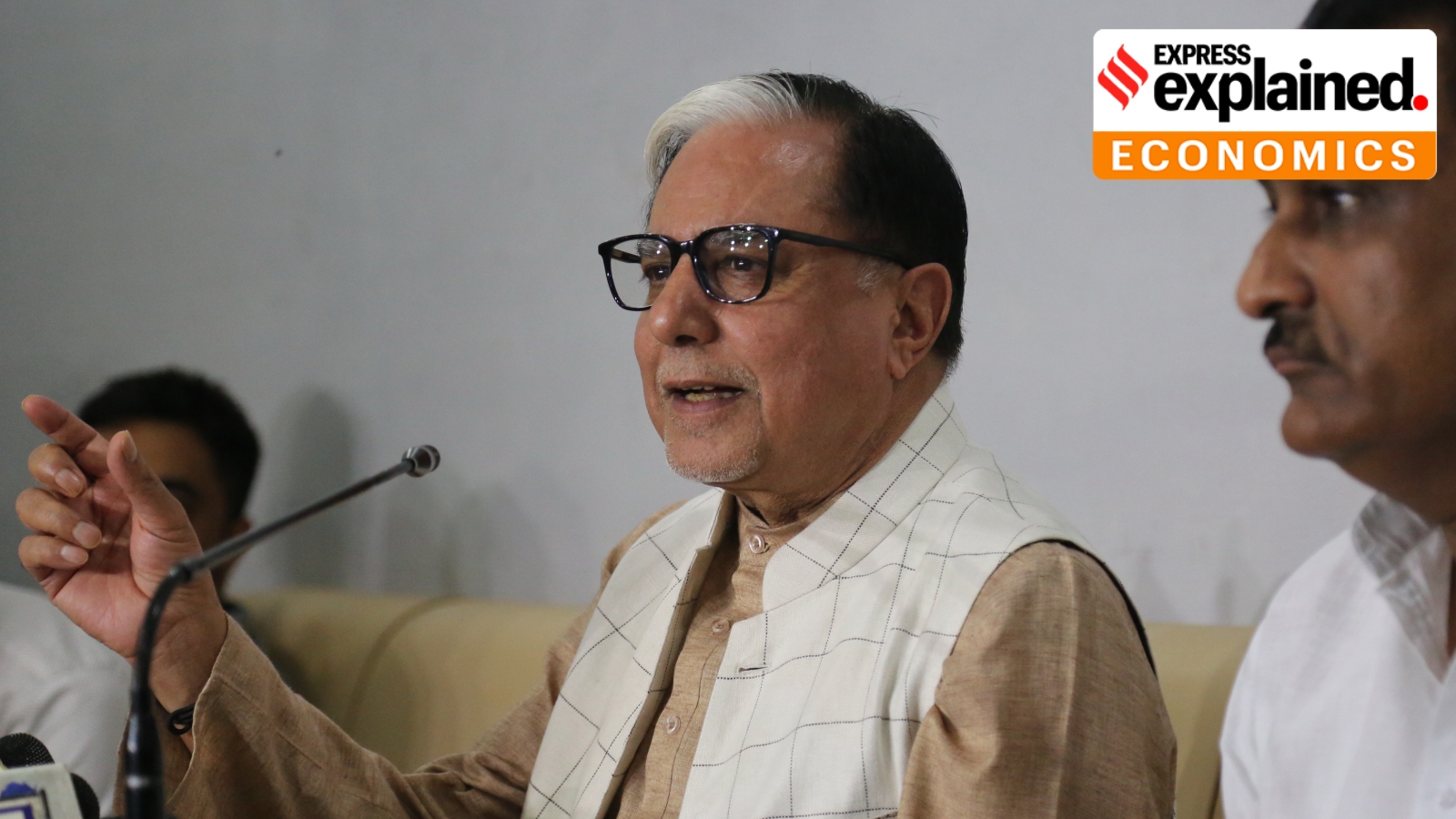
Subhash Chandra Settlement Highlights India’s Deep Insolvency Haircuts
India to launch unified digital insolvency platform

SEBI Chairman Highlights Indian Market Growth and Regulatory Challenges