

1 hr ago
Tata Sons Dispute Raises Wider Concerns Over Ownership Rights
Tata Sons and Tata Trusts are involved in a dispute about control and decision-making.
Tata Trusts owns a majority share of Tata Sons, and some people worry that its role could be weakened.
The Reserve Bank of India classifies Tata Sons as an upper-layer finance company.
That classification comes with a rule that the company must list its shares.
Some business leaders say this situation could make investors uncertain.
The dispute has also brought back memories of an earlier fight involving former chairman Cyrus Mistry.
The Supreme Court ruled on that earlier case in 2021?
The article does not specify the year of the ruling, so it is omitted.
Industry veterans want the parties to talk and settle their differences.
They worry that a long court fight could affect confidence in how companies are governed in India.

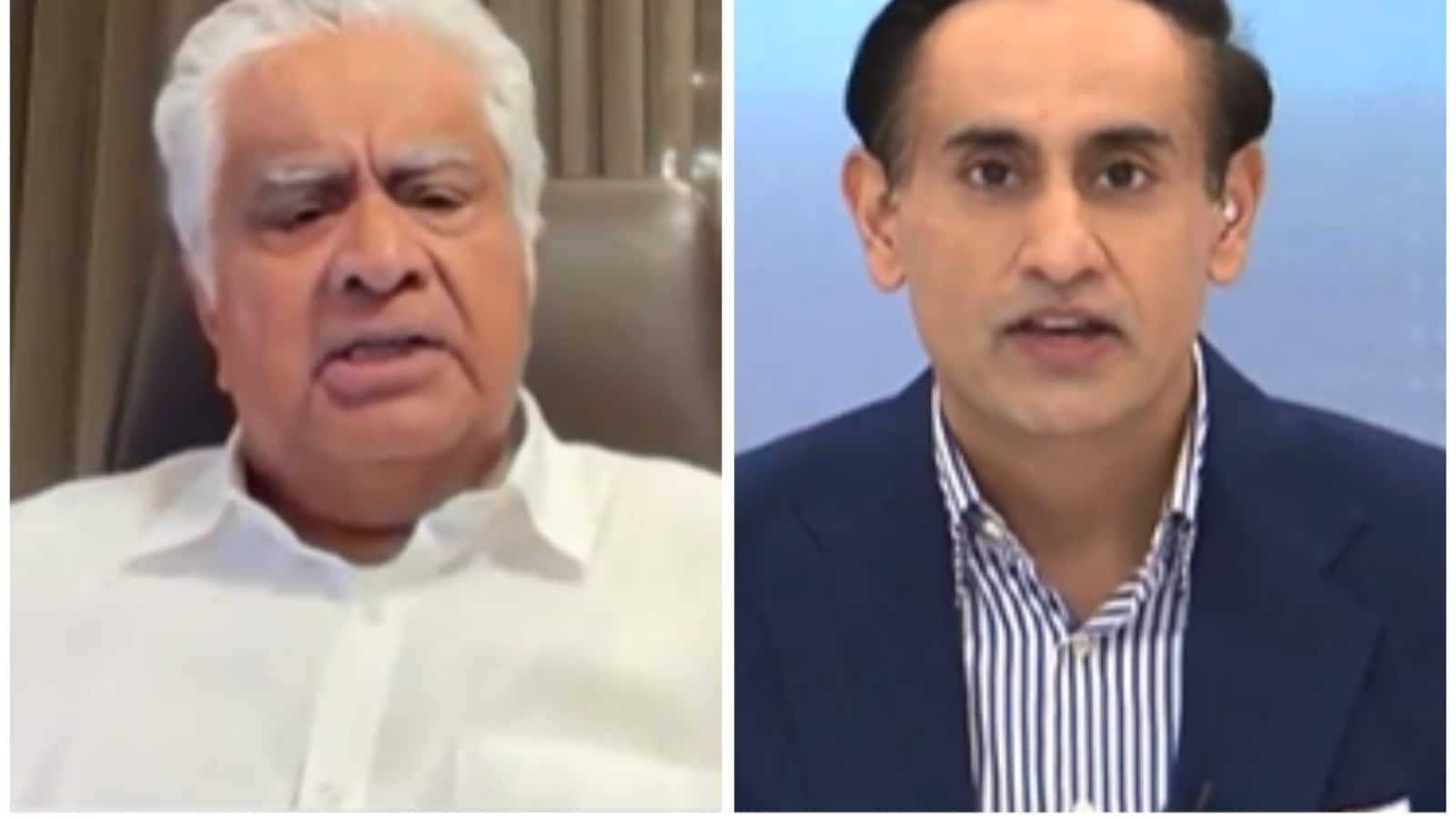
Thomas Mathew warned that sidelining majority shareholder Tata Trusts could undermine ownership rights.
Industry veterans said the dispute could revive foreign-investor concerns about policy uncertainty.
The Reserve Bank of India retained Tata Sons’ upper-layer NBFC classification, which requires listing.
The Charity Commissioner’s ex parte order preventing a key Tata Trust from holding meetings has added to concerns about a stalemate.
The dispute echoes the 2016 removal of Cyrus Mistry; industry veterans are urging dialogue to limit uncertainty.
- Who
- Tata Sons, Tata Trusts, and the parties involved in their dispute; Thomas Mathew and industry veterans have commented on its implications.
- What
- A boardroom and regulatory dispute has raised concerns about shareholder rights, a possible listing requirement, and corporate uncertainty.
- Where
- India.
- When
- The article discusses the current dispute and refers to the 2016 removal of Cyrus Mistry as chairman.
- Why
- The dispute involves Tata Trusts’ role, Tata Sons’ regulatory classification and listing requirement, and questions about boardroom decisions.
Critics and Industry Concerns
Corporate and Regulatory Context
Tata Trusts’ role and ownership rights
Critics and Industry Concerns
Thomas Mathew and industry veterans warn that sidelining Tata Trusts despite its majority shareholding could undermine ownership rights and unsettle promoters.
Corporate and Regulatory Context
The article reports the dispute and regulatory questions but does not provide a detailed defense from Tata Sons, regulators, or other parties.
Tata Sons listing requirement
Critics and Industry Concerns
Some industry observers question whether requiring a pure investment holding company to list could appear unusual to international investors.
Corporate and Regulatory Context
The Reserve Bank of India has retained Tata Sons’ classification as an upper-layer NBFC, which carries a mandatory listing requirement.
Resolving the impasse
Critics and Industry Concerns
Industry veterans warn that prolonged litigation could deepen uncertainty and affect perceptions of India’s corporate environment.
Corporate and Regulatory Context
The article notes that the current dispute remains an internal corporate disagreement, while the 2016 Supreme Court ruling addressed decisions made under Tata Sons’ Articles of Association.
Key facts
- Company at the center
- Tata Sons
- Major shareholder cited
- Tata Trusts holds a majority shareholding, according to the article.
- Regulatory classification
- The Reserve Bank of India retained Tata Sons’ upper-layer NBFC classification.
- Listing issue
- Upper-layer NBFC classification carries a mandatory listing requirement.
- Related past dispute
- Cyrus Mistry’s removal as Tata Sons chairman in 2016 led to a prolonged legal battle.
- Supreme Court ruling
- The court ruled that board decisions made within the Articles of Association did not constitute oppression or mismanagement of minority shareholders.
- Suggested resolution
- Industry veterans have called on the parties to resolve their differences through dialogue.
Sources
Related news
Tata Listing Dispute Emerges as Core Issue in Trusts Row
Tata Sons Leadership Rift Deepens Over Control and Listing
Tata Dispute Prompts Indian Companies to Reassess Shareholder Rights

Tata Sons Standoff Pits Trusts Against Management and Regulation
Singhvi Takes Tata Trusts Dispute Toward Legal Resolution
Tata Sons Battle Tests Trust Control and Listing
Delhi Protest Security Measures Raise Questions About Citizens’ Rights

Supreme Court Asks Centre to Reconsider Metro Closures
Kishan Reddy Accuses Rahul Gandhi Of Attacking Constitutional Institutions

Marriage Registration in India: What Law Says About Certificates
