

2 weeks ago
Prasher's Fifty-Seven Essays Illuminate the Conundrum of Modern China

A very smart man named Prasher, who knows a lot about China and works for the Indian government, wrote a book made of fifty-seven little essays.
The book is like a giant puzzle box that tries to explain China's long history and its culture.
It tells how China went from having emperors to being a communist country and then to a capitalist one where people wanted to get rich.
The book also talks about Chinese women and about leaders like Mao Zedong, Deng Xiaoping, and Xi Jinping.
Some parts of the book are sad, because they tell about times when many people in China died.
A reviewer who used to have a very important government job in India read the book and wrote this review.
The book starts with a quote from the Pope saying that understanding China takes a hundred years.
It ends with a famous Bob Dylan song about all the people who have died.
The reviewer says the book gives lots of facts and is great for anyone who wants to understand China better.

A retired IAS officer reviews Prasher's omnibus of 57 essays on Chinese history and culture.
The book's title draws on Somerset Maugham's 1922 travel classic 'On a Chinese Screen'.
Its five parts cover history, internal oppression, Chinese women, Xi Jinping, and communism.
It opens with a Pope's September 15, 2022 quote and closes with a Bob Dylan lyric.
The essays are often critical of the Chinese state, citing Mao-era and Deng-era costs.
- Who
- Prasher, a distinguished member of the Indian Administrative Service and China expert, is the book's author; the review was written by a retired IAS officer.
- What
- A review of a 57-essay book covering Chinese history, culture, internal oppression, Chinese women, Xi Jinping's long shadow, and communism.
- Where
- The reviewer writes from an Indian perspective, recalling student days in Kolkata; the book examines China.
- When
- The review's publication date is not stated; it references a comment by the Pope made on September 15, 2022.
- Why
- To illuminate the 'conundrum' of modern China — its radical transformation from imperial dynasty to communist state to Deng-era capitalism.
Regressive Radicals (Maoist Left)
Reformist Pro-Deng Factions
China's Economic Model
Regressive Radicals (Maoist Left)
Mao's radical left approach favored equal poverty for everyone.
Reformist Pro-Deng Factions
Deng Xiaoping believed 'to get rich is glorious', producing billionaires and a 996 middle class while 500 million live in poverty or near it.
India-China Ties
Regressive Radicals (Maoist Left)
India and China are 'twin brothers', with a spirit of brotherhood continuing during Nehru's time.
Reformist Pro-Deng Factions
The 1962 conflict shattered all hopes and raised doubts about understanding the 'inscrutable' Chinese mind.
Legacy of the Chinese State
Regressive Radicals (Maoist Left)
China has become far more dominant globally, having shed much of its earlier baggage.
Reformist Pro-Deng Factions
The book is often critical of state policies, citing Mao-era famines, Cultural Revolution deaths, and Deng-era inequality.
Key facts
- Book author
- Prasher, distinguished member of the IAS and China expert
- Number of essays
- 57
- Book structure
- Five parts: history and culture; internal oppression; Chinese women; Xi Jinping's long shadow; communism epilogue
- Title inspiration
- Somerset Maugham's 'On a Chinese Screen' (1922)
- Opening reference
- Pope's September 15, 2022 quote: understanding China is 'an enormous thing'
- Closing reference
- Bob Dylan's song, ending with 'The answer, my friend, is blowin' in the wind'
- Reviewer
- Retired IAS officer
- Mentioned historical costs
- 50 million deaths in the Great Famine; 2 million in the Cultural Revolution
Quotes

Pope
The Pope who made a statement in 2022 about comprehending China
“… faces a stark choice in a divided nation; Mao’s radical left approach of equal poverty for everyone or Deng Xiaoping’s belief that ‘to get rich is glorious’.”
 thestatesman.com
“… understanding China is an enormous thing… To understand China takes a century, and we do not live for a century”
thestatesman.com

Liang Qichao
Chinese scholar who commented on India-China relations in the early 20th century
“India and China are like twin brothers. Before most of the civilized races became active, we two brothers had already begun to study the great problems which concern the whole of mankind. India was ahead of us and we, the little brother, followed behind.”
thestatesman.com
Sources
Related news
Dragon and Elephant: Xi's China may still need a deal
China’s Rise and Demographic Decline Shape India’s Strategy
Why Delhi Should Bargain Hard With Xi’s China

Poems Revisit Icons, History, Love, Grief, and Exclusion
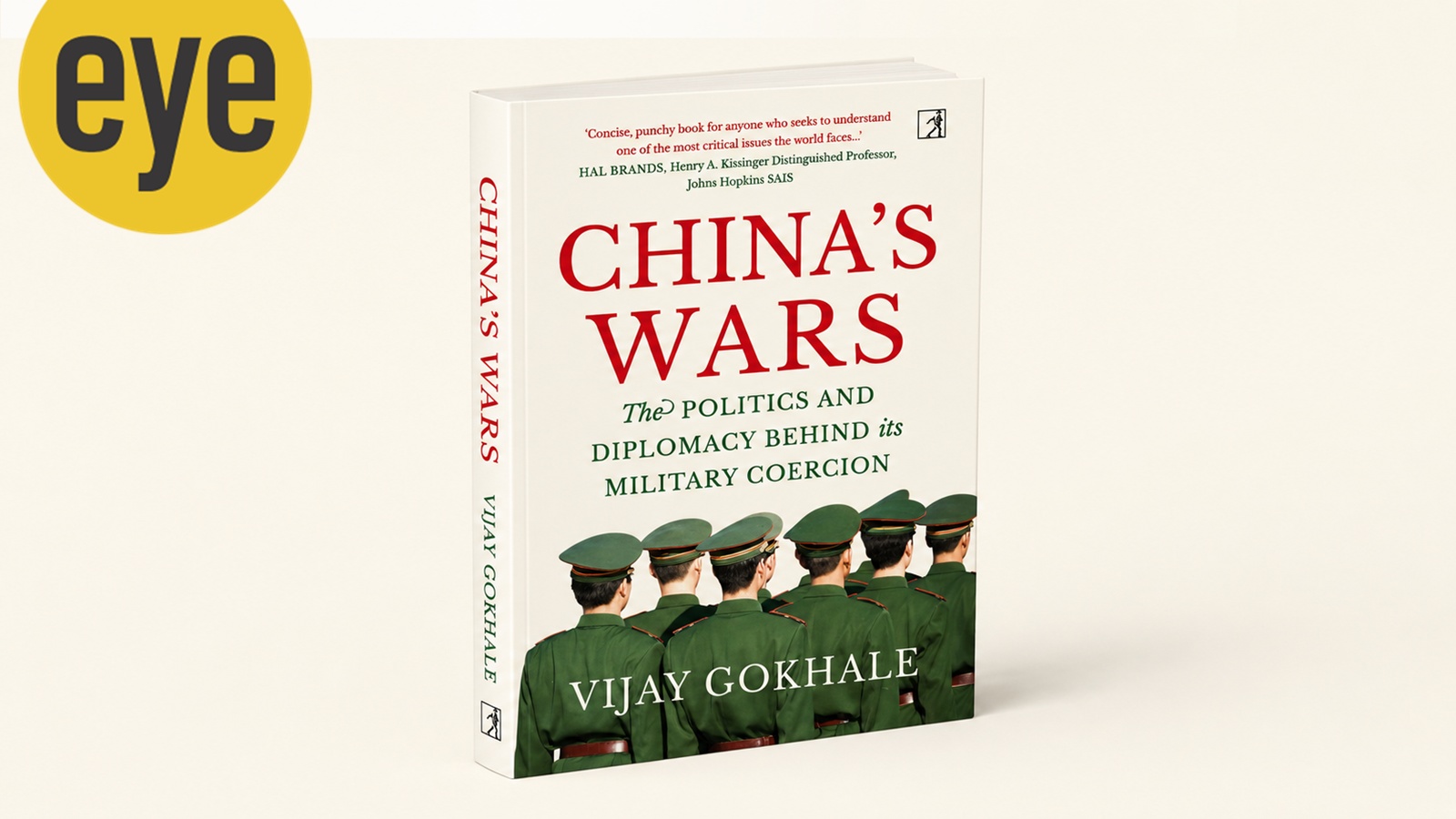
China's Wars: Vijay Gokhale decodes Beijing's military strategy and coercion
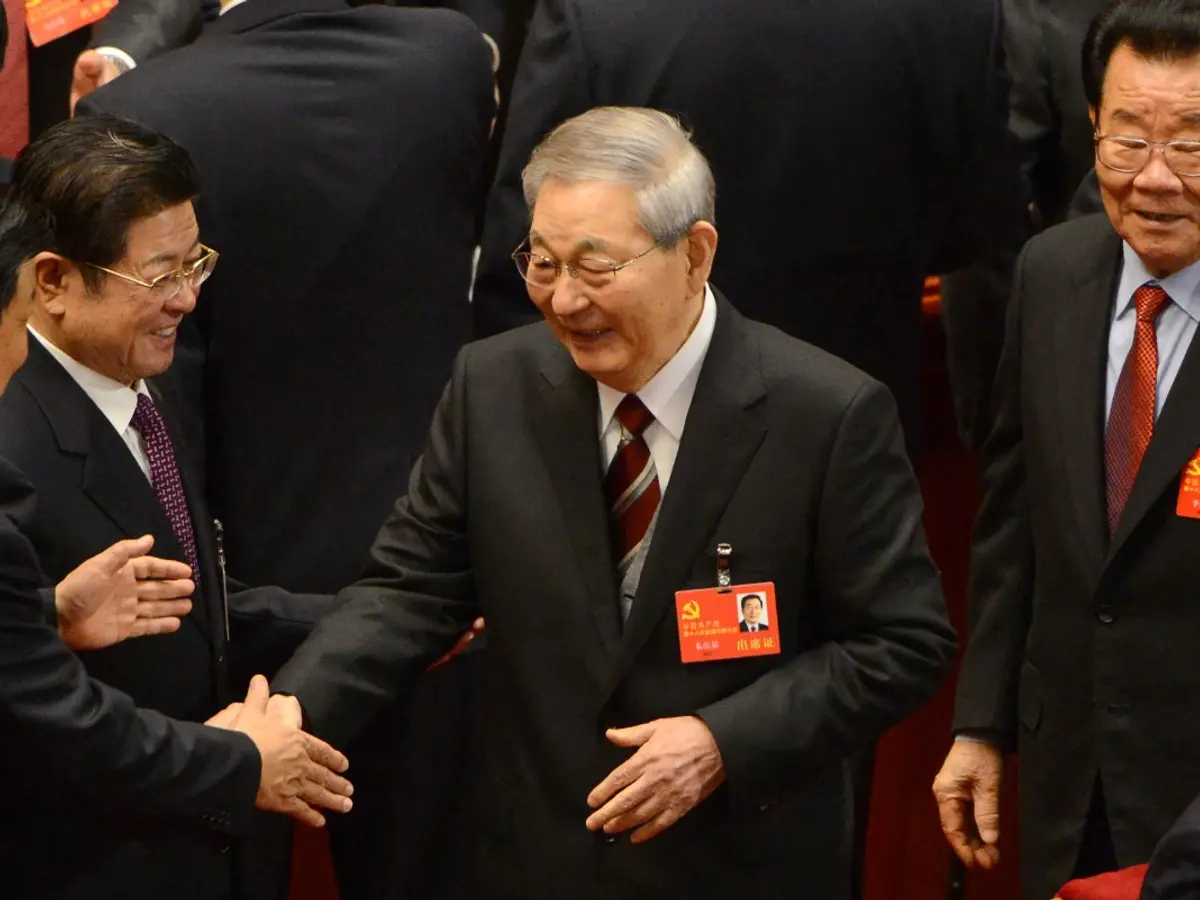
Former Chinese Premier Zhu Rongji Dies at 97
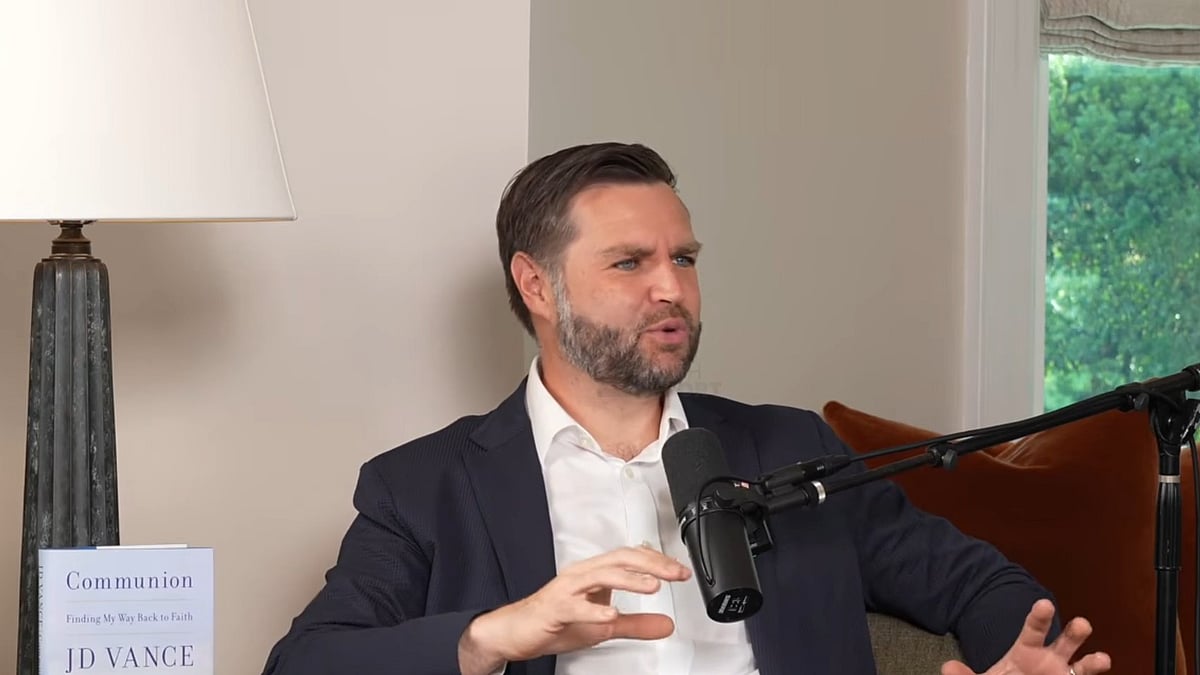
JD Vance Links Trump Survival, Faith and AI Concerns
Madras High Court Cancels FIR Against Bishop Over Baptism Certificate

DJ Priest Performs in Beirut Amid Criticism
Pope Leo urges unity and inclusion