7 hrs ago
Laddus Blend Ganesh Festival Devotion, Tradition, and Wellness
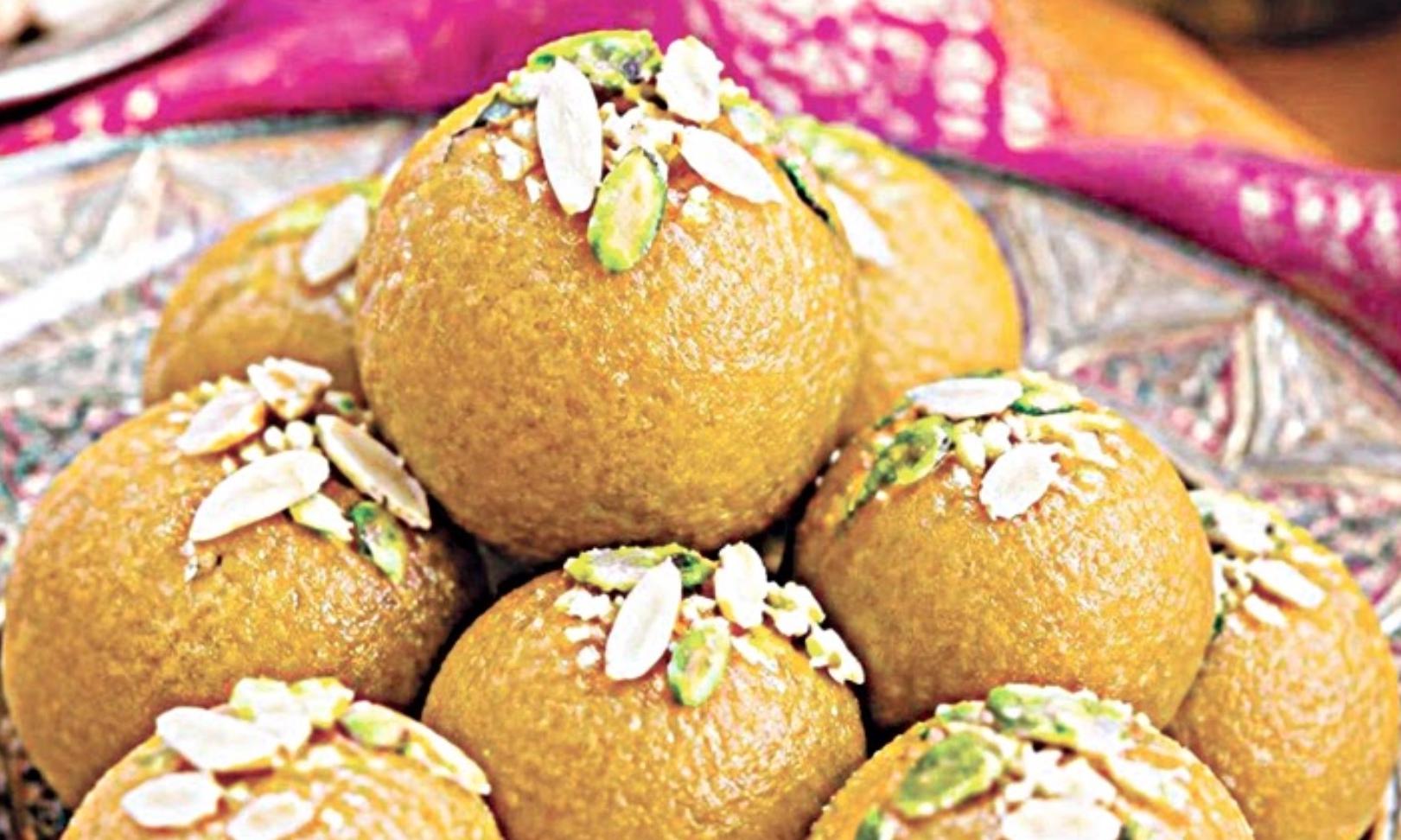
Laddus are round Indian sweets often made for festivals and special occasions.
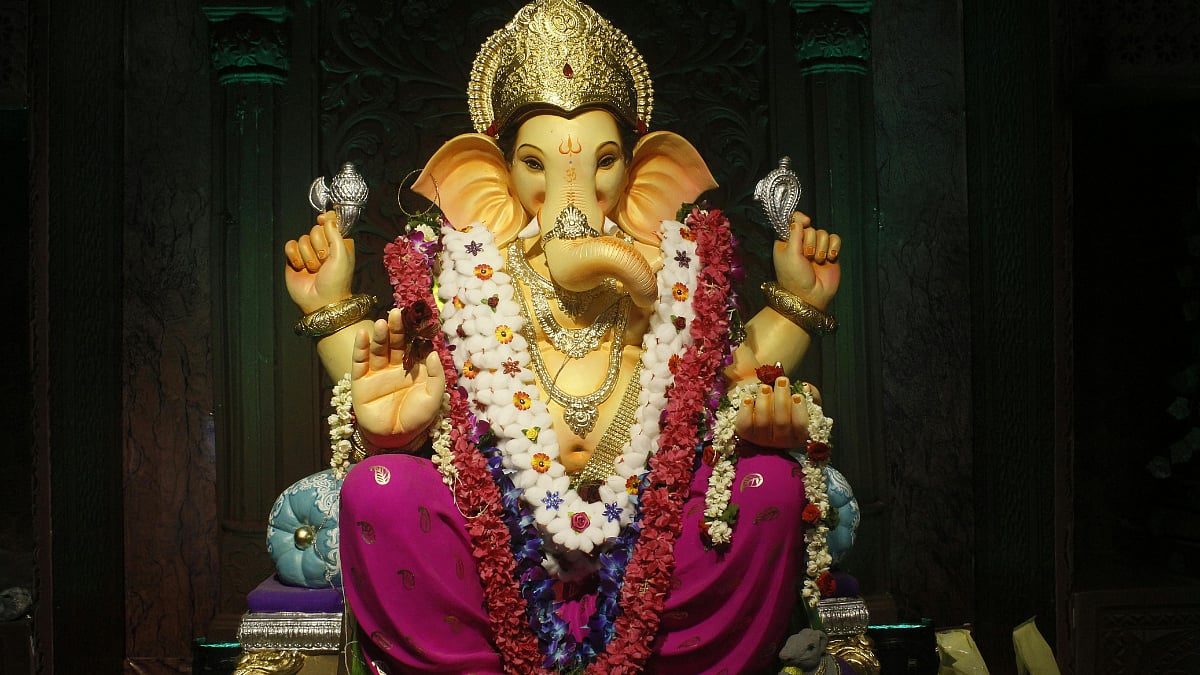
During Vinayak Chaturthi, people offer them to Lord Ganesha as prasad.
Families make different kinds using ingredients such as besan, ragi, coconut, jaggery, nuts, and seeds.
Each region and family may have its own recipe.
Chefs say the flour should be roasted gently and the mixture shaped while it is warm.
Some newer laddus include oats, quinoa, dates, matcha, or gulkand.
Nuts, seeds, and millets can make laddus more nutritious.
However, ingredients such as ghee, jaggery, and dates still provide many calories.
Eating them in moderation helps keep them part of a balanced diet.

Laddus are offered as prasad and considered symbols of auspiciousness during Vinayak Chaturthi in India.
Regional varieties include Rajasthan’s churma, Bihar’s sattu, Maharashtra’s coconut-based narali, besan, and ragi laddus.
Chefs recommend gently roasting flour, balancing ghee and sweetness, and shaping laddus while warm.
Nuts, seeds, millets, pulses, and dry fruits can add protein, fibre, and healthy fats.
Healthier versions may use dates, moderate jaggery, less ghee, and nutrient-rich grains, but portion control remains important.
- Who
- Indian families, chefs, home cooks, and nutrition experts discussed laddus and their preparation.
- What
- The article explains the cultural importance, regional varieties, cooking methods, nutrition, and healthier adaptations of laddus.
- Where
- India, with examples from Rajasthan, Bihar, Maharashtra, North and Western India, South India, Pune, New Delhi, Bengaluru, and Faridabad.
- When
- During Vinayak Chaturthi’s 10-day celebrations and other festivals, weddings, and special occasions.
- Why
- Laddus are offered as prasad, shared in celebration, preserved through family traditions, and adapted to modern wellness needs.
Key facts
- Festival connection
- Laddus are associated with Vinayak Chaturthi and offerings to Lord Ganesha.
- Cultural meaning
- Their round shape is described as symbolizing unity, perfection, and completeness.
- Regional varieties
- Examples include churma, sattu, narali, besan, and ragi laddus.
- Preparation advice
- Roast flour gently, balance the ghee, melt jaggery slowly, and shape the mixture while warm.
- Nutrient-rich ingredients
- Nuts, seeds, millets, pulses, and dry fruits can provide protein, fibre, healthy fats, and minerals.
- Health guidance
- Use moderate sweetness and ghee, and remember that portion control is important.
- Recipes featured
- The article includes ragi, besan, dry-fruit-anjeer-date-gulkand, and Maharashtrian narali laddus.
Quotes
Bhuvanesh Kalburgi
Executive Chef at Sayaji Hotel Pune
“Laddus with nuts, seeds, millets, pulses, or dry fruits add protein, fibre, and good fats, making them smarter than refined sugar sweets.”
 deccanchronicle.com
“Each variety is more than a sweet — it’s a marker of place, tradition, and family recipes carried forward.”
deccanchronicle.com
Sources
Related news

How Ganesh Chaturthi's Traditional Modak Became a Gourmet Dessert
How to Make Puran Poli for Ganesh Chaturthi 2026
Teej Special Dishes to Make at Home During Sawan
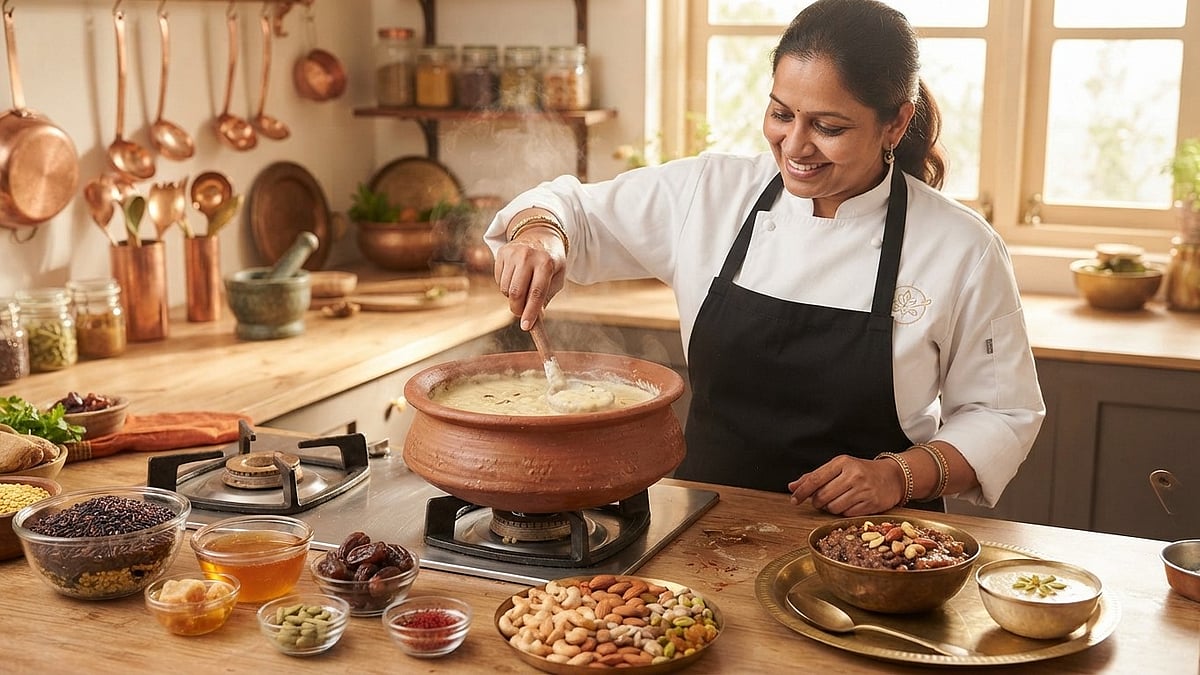
Six Indian Rice Desserts Earn Places Among World's Best
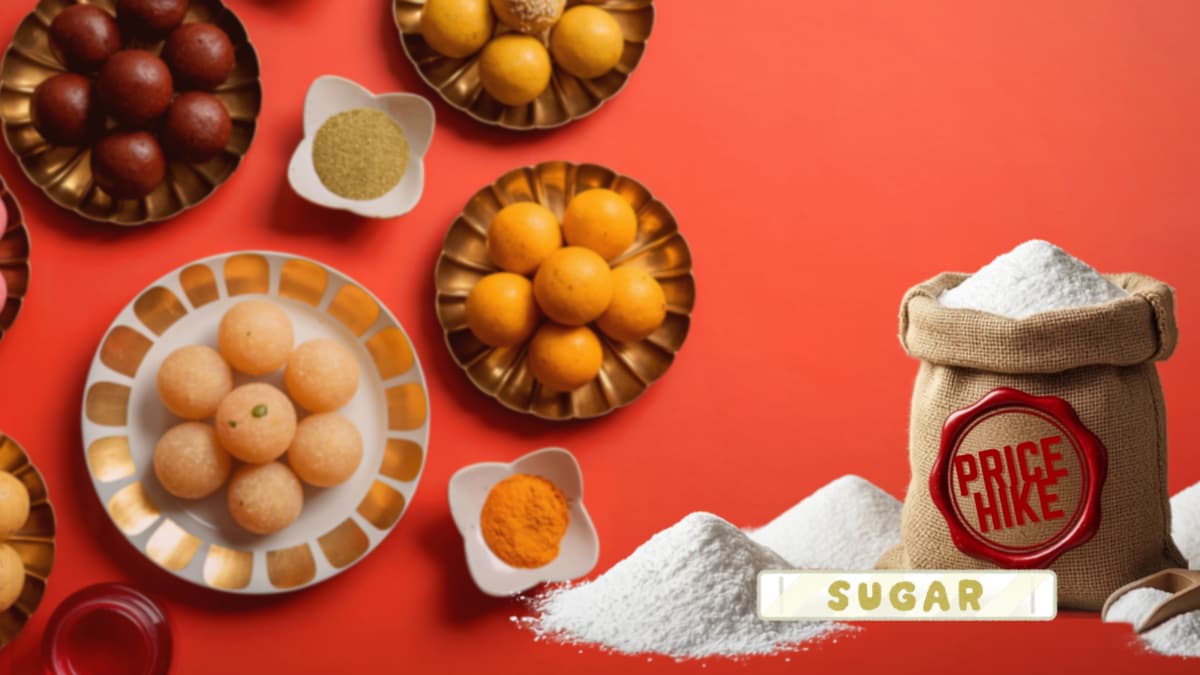
Record Sugar Prices Prompt Five Alternatives For Festive Indian Sweets
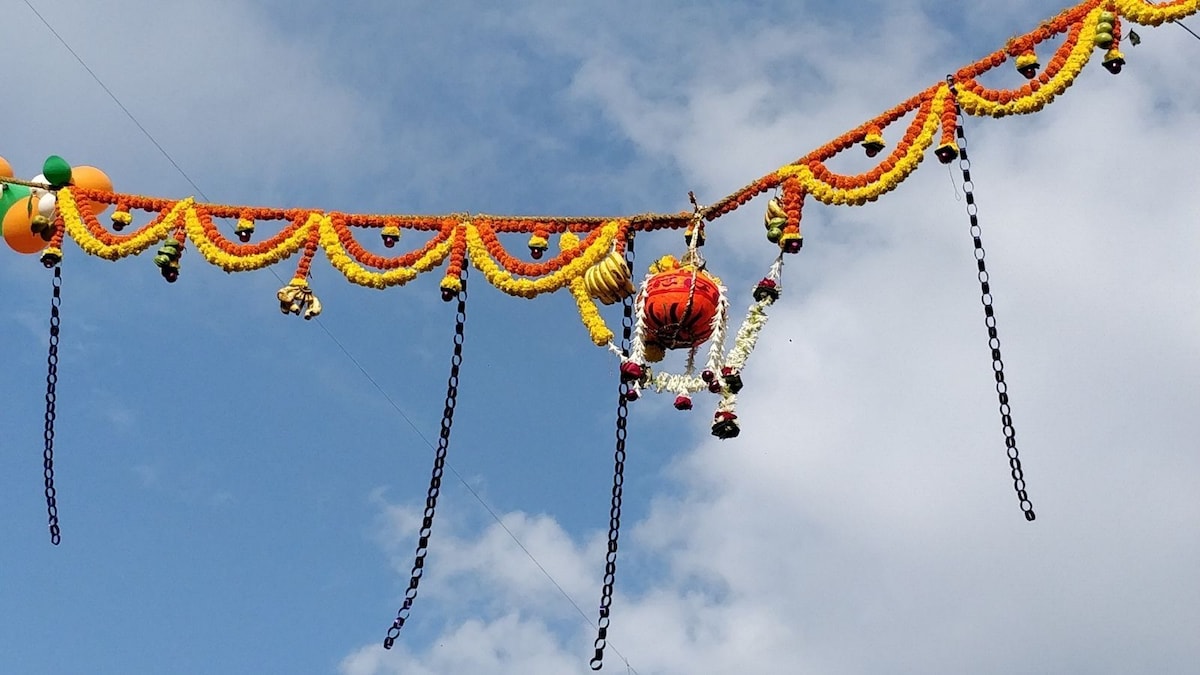
Dahi Handi 2026: 10 Common Items in Janmashtami Matki

Vijayawada Tightens Ganesh Immersion and Pandal Safety Measures

Pune Activist Faces Legal Notice Over Ganeshotsav Remarks and Beliefs
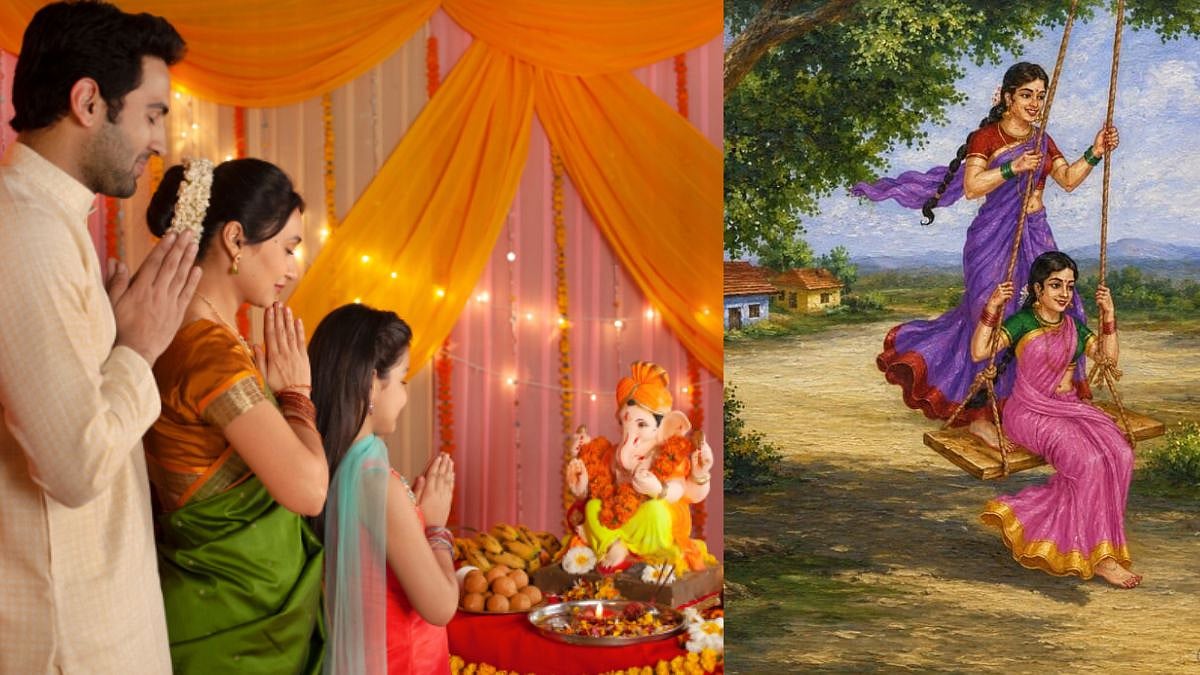
Ganesh Chaturthi and Hartalika Teej Coincide on September 14, 2026
Youth Promotes Clay Ganesha Idols for Greener Celebrations